

There is a question we get maybe once a month, usually from someone who has just turned a frame over and found a name they do not recognize. Who makes this? The honest answer is more interesting than the question expects, because the names on that frame could come from Reggio Emilia, from Sabae, or from Warsaw, and they all reach 2154 Chestnut Street through one company in Plainview, New York.
That company is Fusion Eyewear, and this post is really about the five houses it brings us. If you want to see where they sit among the other independent houses we carry, start there.
What is Fusion Eyewear?
Fusion Eyewear does not make frames. Worth saying plainly, because the name appears on paperwork and case cards and people reasonably assume it is a brand. It is a distributor, based at 19 Newtown Road in Plainview, New York, and it brings independent eyewear houses from abroad into American shops. In its own words it is “traveling worldwide and in relentless pursuit of the finest product,” working closely with its partner factories.
The company was founded in 2003 by Alan and Leslie Weisfeld. In its own telling, the founders “took 40 years of combined creative experience and applied it to a dynamic company,” and it describes itself as recognized for edgy, high-quality eyewear and unparalleled customer service.
For a shop like ours the value is straightforward. A boutique in the Marina cannot fly to Italy and Japan to negotiate with small family factories one at a time. A distributor with good taste does that work, and the good ones are effectively a filter. Fusion is one we have found worth listening to.
The five houses
Onirico is Italian, and specific about it. The brand calls itself a contemporary tribute to Italian craftsmanship, born from a 100% Made in Italy in-house production based in the heart of Emilia. Everything happens inside the company: stylistic research, technical design, prototyping, material research, and the final making. What you notice on the face is the acetate, which Onirico selects for depth of color, and the tricks it plays with it. Some models use silk inserts, bilayer acetates, milling, and thermoformed temples.
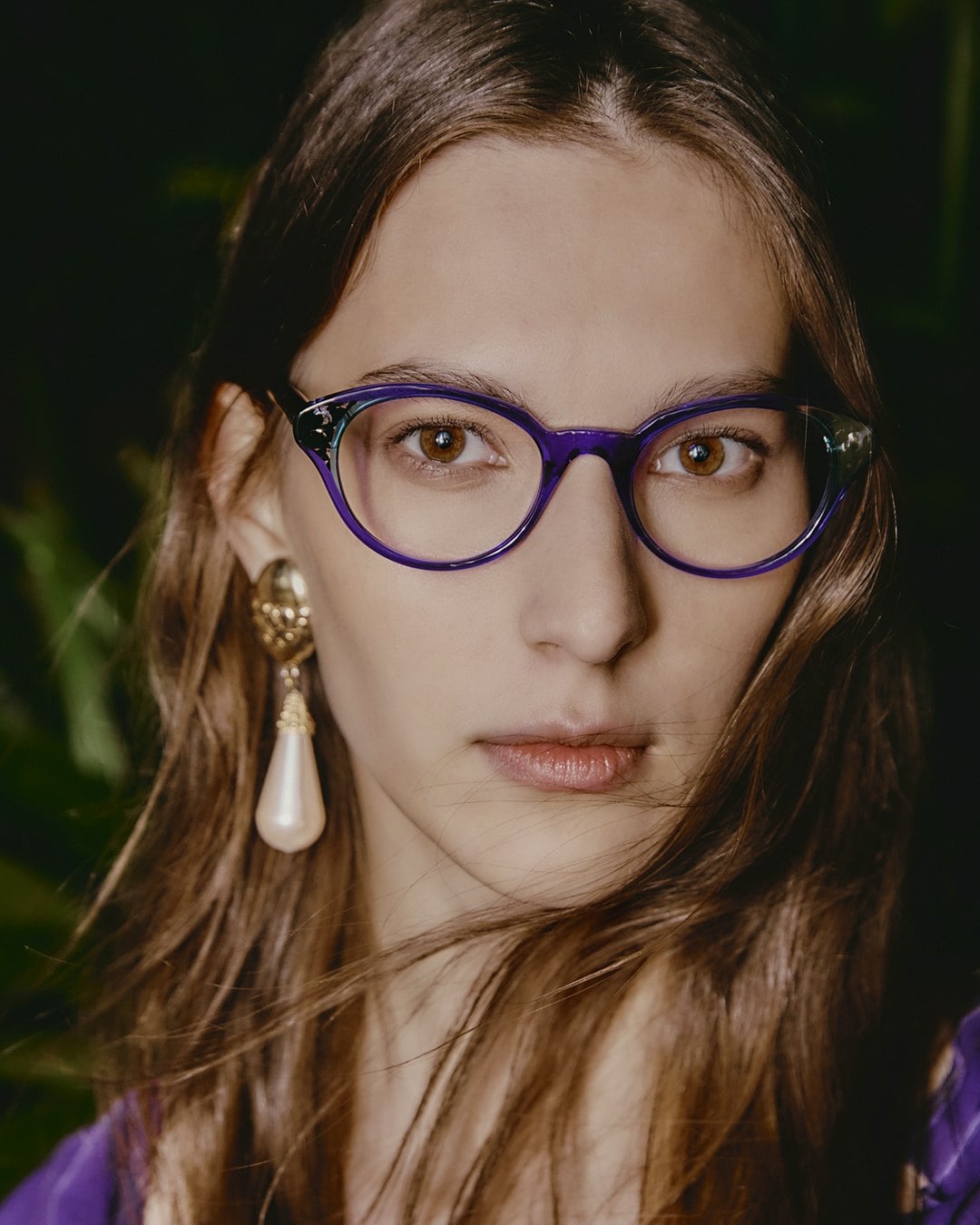
Giorgio Nannini comes out of the same Italian family operation, and it is the one with the longest memory. The frames are studied, designed, and produced in Reggio Emilia, and the brand credits the expertise of the Nannini Eyewear Group, which has more than 70 years of history in made-in-Italy eyewear.
Here is the part worth knowing. That group did not begin with fashion. Nannini describes itself as initially specialized in the production of motorcycle goggles, expanding from there as it took on new processes and materials. Seventy years later it runs an entirely in-house Italian production and owns four brands of its own: Giorgio Nannini, Common Ground, Onirico, and Nannini Eyecare.
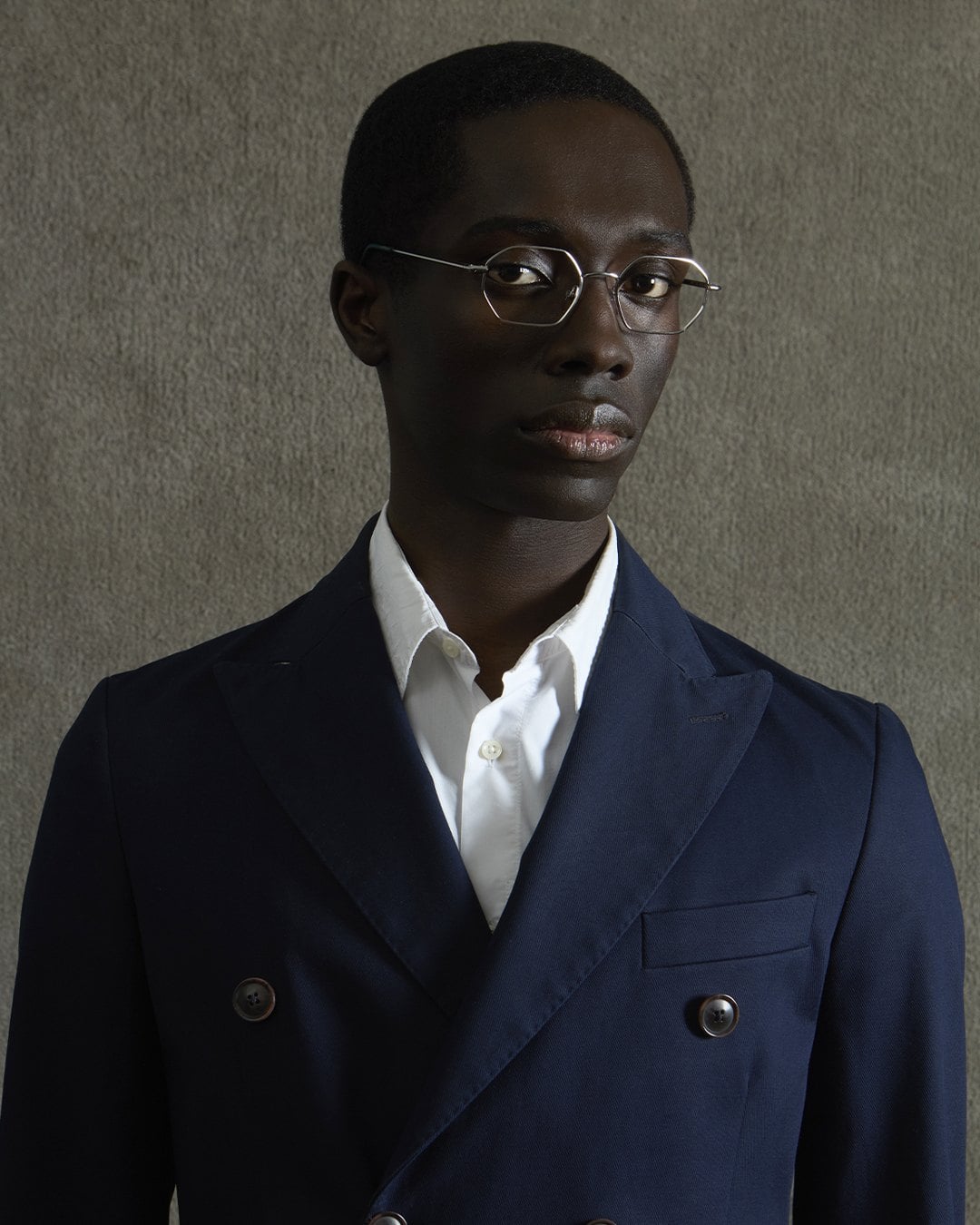
Common Ground is another of those four, so if you like the Onirico acetate and the Giorgio Nannini line, you are already three for three with the same factory. We mention this because customers often assume variety means variety of origin. Sometimes it means one very good workshop with more than one label on the door.
Crafsis is Japanese, and its name is an acronym rather than a family. CRAFSIS stands for “CRAFtsmanShip In Sabae,” Sabae being the town in Fukui prefecture that Japan’s eyewear industry is built around. The brand’s stated aim is brand-new classic frames built with contemporary materials and technologies, classic styles that, in its own words, could not have been produced more than 30 years ago.
Albert I’mStein is the outlier and knows it. It is a self-described FUN and HAPPY eyewear brand based in Warsaw, Poland, with a design team drawn from South Korea, the UK, France, Germany, Hong Kong, and Japan. The brand says its designs are meant to suit all personalities and characters, not bound by gender or age. Its collections carry names like Cocktail, Architecture, and Titanium. If most of this list is quiet Italian restraint, this is the one that turns the volume up.
Who these frames are for
This group suits the person who has stopped shopping by logo and started shopping by object.
If you have ever tried on something from a large fashion house and felt like you were wearing an advertisement, these are the opposite trade. Nobody will recognize the name. What they will notice is a color, or a shape, or the fact that the frame looks like it was made by a person rather than a process.
It suits people who want a real choice rather than a wall of near-identical frames. Italian acetate, Japanese engineering, and Polish color are genuinely different philosophies, and knowing the difference between the three makes the decision easier, not harder.
And it suits anyone who likes knowing where a thing came from. Reggio Emilia, Sabae, Warsaw. Those are real places with real workshops in them, and you can look every one of them up.
How to tell which one is right for you
What is here changes week to week, so call ahead at (415) 921-1444 if one of these has your name on it. A few honest things worth knowing before you come in:
- Decide how loud you want to be first. This is the fastest way to narrow five houses down to two. Albert I’mStein is playful and meant to be seen. The Italian houses are quieter. Tell us which end you are aiming for and we will point you the right way.
- If we have Onirico in when you visit, handle the acetate. With Onirico in particular, the material is the argument. Look at the depth of the color and the way the light sits inside it rather than on top of it. That does not survive a photograph.
- Do not rule out Japan on looks alone. Sabae’s reputation is built on how a frame is engineered and how it sits after six months, not on drama. If comfort has been your problem, start there.
- Bring your face, not a screenshot. Five houses means five different fit philosophies, and bridge width and temple length vary more between them than the pictures suggest.
- Come in ready to be fitted. A well-made frame that sits wrong is still a frame that sits wrong. The fitting is the part that is ours, and it takes a few minutes at the counter rather than a guess online.
Frequently asked questions
What brands does Fusion Eyewear carry at City Optix?
Fusion Eyewear brings us Onirico, Giorgio Nannini, Common Ground, Crafsis, and Albert I’mStein. Fusion is a distributor rather than a frame maker, so the name on your frame will be one of those five. What is on the shelf changes, so come in and see, or call us at (415) 921-1444.
Is Fusion Eyewear a brand or a distributor?
A distributor. Fusion Eyewear is based in Plainview, New York, was founded in 2003 by Alan and Leslie Weisfeld, and brings other companies’ eyewear collections into American shops. Every brand it carries, including Onirico, Giorgio Nannini, Common Ground, Crafsis and Albert I’mStein, is owned by another company.
Where are Onirico and Giorgio Nannini frames made?
In Reggio Emilia, Italy. Both are brands of the Nannini Eyewear Group, which says it has over 70 years of history in made-in-Italy eyewear and handles design and production in house. Onirico describes its production as 100% Made in Italy, based in the heart of Emilia.
Where can I try these frames in San Francisco?
At City Optix, 2154 Chestnut Street, in the Marina District. We are an independent optometry practice and eyewear boutique led by Dr. Jeff Rich, O.D., open Monday through Saturday, 10 to 6. We will fit the frame properly to your face at the counter.
Come try a pair on Chestnut Street
Five houses, three countries, one distributor. The useful thing about a group like this is that it turns a vague want into a real decision, because Italian acetate and Japanese engineering are genuinely different arguments and you can feel that difference in about four seconds in person. Come try them on at City Optix, 2154 Chestnut Street in the Marina, Monday through Saturday, 10 to 6. What is in the shop changes week to week, so come by and see, or call us at (415) 921-1444. We have spent more than thirty years in the Marina putting faces in frames that were chosen rather than settled for.