
Dry Eyes in San Francisco: Understanding Causes, Symptoms, and Lasting Solutions

Your eyes feel like sandpaper by midafternoon. You’re constantly reaching for eye drops that provide maybe 20 minutes of relief before the burning, gritty sensation returns. Reading makes your eyes water—ironically, because they’re so dry. You’ve tried every drugstore eye drop, but nothing seems to work for more than a few hours. Sound familiar?
If you’re one of the estimated 16-30 million Americans suffering from chronic dry eye disease, you’re not just dealing with minor discomfort—you’re experiencing a condition that significantly impacts quality of life, work productivity, and daily comfort Eyes On Eyecare. For San Francisco residents in Marina District, Russian Hill, and Nob Hill, environmental factors unique to the Bay Area make dry eye even more prevalent and challenging to manage.
At City Optix, Dr. Jeff Rich has spent 37 years helping San Francisco professionals find lasting relief from chronic dry eye. Unlike quick-fix solutions that temporarily mask symptoms, Dr. Rich identifies root causes and develops personalized treatment plans that address why your eyes are dry—not just how they feel. Let’s explore what’s really happening with your eyes and the sophisticated solutions that actually provide lasting relief.
Understanding Dry Eye Disease: More Than Just Dryness
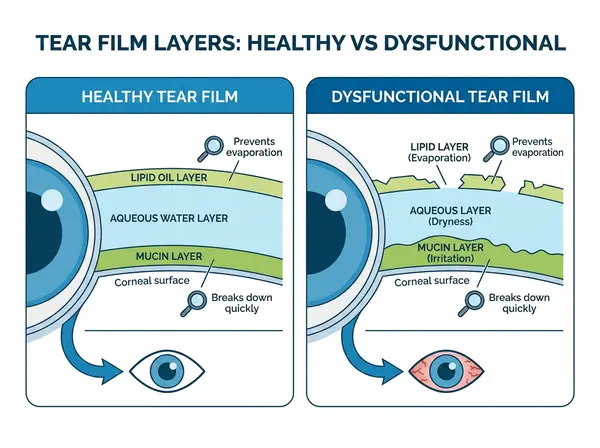
Dry eye disease—clinically termed keratoconjunctivitis sicca—occurs when your eyes don’t produce enough tears or when tears evaporate too quickly. But it’s not simply about “dry” eyes. Many chronic dry eye sufferers paradoxically experience excessive tearing, especially when exposed to wind, cold, or other irritants. This happens because your eyes overcompensate for chronic dryness by producing reflex tears—watery tears that don’t properly lubricate or protect your eyes.
Your tear film comprises three critical layers working together:
Lipid (Oil) Layer: The outermost layer produced by meibomian glands in your eyelids prevents tears from evaporating too quickly. Think of it as a protective seal keeping moisture locked in.
Aqueous (Water) Layer: The middle layer produced by lacrimal glands provides moisture, oxygen, and nutrients to your cornea. This is what most people think of as “tears.”
Mucin Layer: The innermost layer produced by conjunctival cells helps tears spread evenly across your eye surface. It’s like the primer that makes the rest of the tear film adhere properly.
When any component fails—whether insufficient production, poor quality, or rapid evaporation—dry eye symptoms develop. Most San Francisco patients Dr. Rich evaluates have evaporative dry eye caused by meibomian gland dysfunction, where the oil-producing glands become blocked or don’t produce adequate quality oils.
The Two Main Types of Dry Eye
Aqueous-Deficient Dry Eye occurs when lacrimal glands don’t produce enough of the watery component of tears. This type is less common but can result from autoimmune conditions like Sjögren’s syndrome, medications that reduce tear production, or age-related gland decline.
Evaporative Dry Eye stems from meibomian gland dysfunction (MGD) where blocked or malfunctioning oil glands allow tears to evaporate too rapidly. This accounts for approximately 86% of dry eye cases and is the predominant type Dr. Rich treats in San Francisco professionals National Eye Institute.
Many patients have mixed-mechanism dry eye combining elements of both types, requiring comprehensive treatment addressing multiple factors simultaneously.
Why San Francisco Makes Dry Eye Worse: Environmental Factors
If you’ve lived elsewhere, you might have noticed your dry eye symptoms worsened after moving to San Francisco. You’re not imagining it—the Bay Area’s unique environmental conditions create challenges for eye moisture that other cities don’t face.
Microclimates and Wind Patterns
San Francisco’s famous microclimates mean you might experience three different weather conditions commuting from Marina District to downtown Financial District. These rapid transitions stress your tear film. The persistent wind off the bay—welcomed in summer but relentless year-round—accelerates tear evaporation. Russian Hill and Nob Hill residents face even stronger winds at elevated positions, explaining why eye irritation often worsens outdoors.
Marina Green visitors experience direct bay breezes that feel refreshing but actively pull moisture from your eyes. That “fresh air” sensation comes partly from rapid tear evaporation—pleasant initially, but challenging if you already have compromised tear film.
Low Humidity and Dry Air
Despite proximity to the Pacific Ocean, San Francisco’s humidity levels fluctuate dramatically. Summer fog creates temporary high humidity, but when that burns off by afternoon, relative humidity plummets. Indoor heating during San Francisco’s chilly evenings further dries the air. Humidity below 45% significantly increases tear evaporation, and many San Francisco homes and offices operate well below this threshold University of Rochester Medical Center.
Urban Air Quality and Pollution
Bay Area air quality varies significantly based on location, season, and wildfire activity. Urban pollution, vehicle emissions, and periodic smoke from California wildfires all irritate ocular surfaces and worsen dry eye symptoms. Even low-level pollution exposure increases ocular surface inflammation, making existing dry eye more symptomatic.
Indoor Environmental Factors
San Francisco professionals spend most days in climate-controlled offices or homes. Air conditioning and heating systems actively remove moisture from air. Add in computer screens demanding intense focus (reducing blink rate by 50%), and you’ve created perfect conditions for dry eye development and progression.
Nob Hill high-rises with floor-to-ceiling windows create glare that makes you squint, further reducing already-diminished blink rates. Marina District lofts with industrial aesthetics often lack humidity control. Russian Hill apartments in older buildings may have forced air heating that creates desert-dry indoor conditions during winter.
Recognizing Dry Eye Symptoms: It’s Not Just “Dryness”
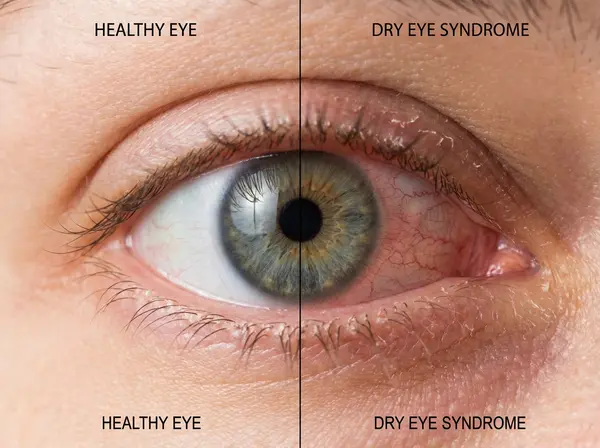
Chronic dry eye manifests through surprisingly varied symptoms. Many patients don’t initially recognize their complaints as dry eye because the symptoms seem unrelated or contradictory.
Common Symptoms:
- Stinging, burning, or scratchy sensation in eyes
- Stringy mucus in or around eyes
- Sensitivity to light (photophobia)
- Red, irritated eyes
- Difficulty wearing contact lenses
- Blurred vision that improves with blinking
- Eye fatigue, especially after reading or screen use
- Heavy, tired eyelids
Paradoxical Symptoms:
- Excessive watering or tearing (reflex tears from dryness)
- Symptoms worsening in windy, air-conditioned, or dry environments
- Morning symptoms that improve during the day (or vice versa)
- Fluctuating vision quality throughout the day
Dr. Rich frequently encounters Marina District professionals who’ve suffered for years without recognizing symptoms as dry eye disease. They’ve adapted to chronic discomfort, assuming it’s “normal” for people who work on screens or live in San Francisco’s climate. It’s not normal, and it shouldn’t be tolerated.
Common Causes and Risk Factors in San Francisco
Understanding what’s causing your dry eye helps explain why generic drugstore drops often fail. Multiple factors typically combine to create chronic symptoms:
Age-Related Changes
Tear production naturally decreases with age, particularly after 50. Meibomian glands can atrophy or become less productive. Hormonal changes during menopause significantly increase dry eye risk in women—one reason dry eye affects women more frequently than men.
Digital Screen Use
San Francisco’s tech-heavy economy means residents spend exceptional amounts of time on screens. Extended screen use reduces blink rate from normal 15-20 blinks per minute to just 5-7 blinks per minute. Incomplete blinks—common during focused screen work—don’t fully distribute tears across your eye surface. Over months and years, this chronic under-blinking contributes significantly to dry eye development and progression.
Contact Lens Wear
Contact lenses can disrupt tear film stability and reduce corneal sensitivity, leading to decreased natural tear production. Many Russian Hill and Nob Hill professionals who’ve worn contacts for years find symptoms progressively worsen as they age, sometimes necessitating return to glasses or specialty lens options.
Medications
Numerous common medications reduce tear production including antihistamines, decongestants, blood pressure medications, antidepressants, and hormonal therapies. If your dry eye symptoms began or worsened after starting new medications, discuss alternatives with Dr. Rich and your prescribing physician.
Autoimmune Conditions
Conditions like Sjögren’s syndrome, rheumatoid arthritis, lupus, and thyroid disorders frequently affect tear production. If you have diagnosed autoimmune disease, dry eye should be monitored regularly even before symptoms develop.
Lifestyle Factors
Smoking (including secondhand exposure), high caffeine and alcohol consumption, and insufficient hydration all negatively impact tear production and quality. San Francisco’s coffee culture combined with wine country proximity means many residents consume dehydrating beverages throughout the day without adequate water compensation.
Previous Eye Surgery
LASIK and other refractive surgeries can temporarily or permanently affect tear production and corneal sensitivity. While most surgical dry eye resolves within months, some patients develop chronic symptoms requiring ongoing management.
Why Drugstore Eye Drops Often Fail: Understanding Treatment Levels
Walk into any pharmacy and you’ll face an overwhelming array of artificial tear products, all promising relief. Why don’t they work for chronic dry eye sufferers? Because they’re designed for temporary, occasional dryness—not chronic disease.
Over-the-counter artificial tears provide temporary lubrication but don’t address underlying causes. They’re like using a humidifier in a house with broken windows—you’re adding moisture, but it immediately escapes because the root problem remains unfixed. For mild, occasional dryness, they work fine. For chronic dry eye, they’re insufficient.
Preservatives in multi-use bottles can actually worsen symptoms with frequent use. While preservatives prevent bacterial contamination, they also irritate ocular surfaces when used more than 4-6 times daily. Many chronic dry eye patients unknowingly make symptoms worse by overusing preserved drops.
Viscosity mismatches mean drops may be too thin (providing brief relief) or too thick (causing blurred vision). Finding the right consistency for your specific condition requires professional guidance.
Single-mechanism relief addresses only one aspect of complex, multi-factorial disease. Chronic dry eye typically requires multi-pronged treatment addressing inflammation, oil production, environmental factors, and underlying causes simultaneously.
This is why Dr. Rich doesn’t simply recommend eye drops. He evaluates your specific dry eye type, identifies contributing factors, and develops comprehensive treatment plans that address root causes rather than temporarily masking symptoms.
5 Professional Treatment Options That Provide Lasting Relief
Chronic dry eye responds remarkably well to proper treatment. Here are the evidence-based solutions Dr. Rich implements at City Optix:
1. Prescription Anti-Inflammatory Medications
Inflammation drives dry eye progression. Prescription medications like cyclosporine (Restasis, Cequa), lifitegrast (Xiidra), and perfluorohexyloctane (Miebo) target underlying inflammation rather than just lubricating your eyes.
Cyclosporine increases your natural tear production by reducing inflammation that suppresses tear-producing glands. It typically requires 3-6 months of consistent use before reaching full effectiveness, but patients report significant improvement in symptoms and tear production.
Lifitegrast works through a different anti-inflammatory mechanism, often providing faster symptom relief than cyclosporine. Some patients respond better to one medication than another, and Dr. Rich helps identify which works best for your specific condition.
Perfluorohexyloctane (Miebo) is the newest FDA-approved prescription specifically for dry eye associated with meibomian gland dysfunction. It works by reducing tear evaporation, directly addressing the most common dry eye mechanism American Academy of Ophthalmology.
Dr. Rich prescribes these medications based on your specific dry eye type, severity, and response to initial treatments. They’re not “just stronger drops”—they’re disease-modifying treatments that address why your eyes are dry.
2. Meibomian Gland Expression and Warm Compress Therapy

Since meibomian gland dysfunction causes most evaporative dry eye, treating the root cause provides dramatic relief. Dr. Rich teaches proper warm compress technique: applying consistent heat (104-108°F) for 10-15 minutes to liquefy thickened oils blocking glands.
Specialized warm compress masks maintain proper temperature longer than washcloths. Following heat application, gentle lid massage encourages blocked oil expression. Done consistently, this simple home treatment significantly improves oil gland function over weeks.
For severe blockage, Dr. Rich performs in-office meibomian gland expression, manually clearing blocked glands to restore normal oil flow. While uncomfortable briefly, patients report substantial improvement in symptoms following treatment.
3. Prescription-Quality Artificial Tears and Gels
While over-the-counter drops fail for chronic dry eye, prescription-quality formulations work differently. Dr. Rich prescribes specific preservative-free tears matching your tear film deficiency pattern. Some patients need thicker gel-based tears for nighttime use. Others benefit from lipid-based tears that supplement deficient oil layers.
The key is matching artificial tear characteristics to your specific dry eye type. Marina District professionals doing computer work might need different formulations than Russian Hill retirees spending afternoons in gardens. Dr. Rich’s expertise ensures you’re using products that actually address your specific needs.
4. Punctal Plugs: Keeping Natural Tears Longer
Punctal plugs are tiny devices inserted into tear ducts to slow drainage, keeping natural tears on your eye surface longer. Think of them as putting stoppers in a sink—the tears you produce stay in your eyes instead of draining away immediately.
This simple, reversible procedure takes minutes in Dr. Rich’s office. Temporary dissolvable plugs test whether you’ll benefit before committing to longer-term silicone plugs. For patients with aqueous-deficient dry eye, punctal plugs often provide substantial relief, reducing or eliminating dependence on artificial tears.
5. Omega-3 Fatty Acid Supplementation
While research on omega-3 supplements shows mixed results, some studies demonstrate improvement in dry eye symptoms and tear film quality with high-dose EPA and DHA supplementation. Omega-3s reduce inflammation and may improve meibomian gland oil quality.
Dr. Rich recommends pharmaceutical-grade fish oil or flax seed oil (for vegetarians) at therapeutic doses—typically higher than standard supplement bottles provide. Results typically emerge after 8-12 weeks of consistent use National Institutes of Health.
8 Lifestyle Changes That Make a Real Difference
Professional treatments work best when combined with lifestyle modifications addressing environmental and behavioral factors. These strategies provide relief you can implement immediately:
1. Increase Indoor Humidity

San Francisco’s indoor air is often drier than the Sahara Desert—literally. Use humidifiers in bedrooms and offices to maintain humidity around 45-50%. This dramatically reduces tear evaporation, especially during winter when heating systems remove all moisture from air. Marina District residents with bay views should run humidifiers despite proximity to water—indoor air doesn’t automatically absorb outdoor moisture.
2. Take Proper Screen Breaks
Follow the 20-20-20 rule religiously: every 20 minutes, look at something 20 feet away for 20 seconds. More importantly, practice conscious blinking during screen work. Most people stare without blinking adequately. Remind yourself to blink fully and frequently—it sounds trivial but makes enormous difference.
Position monitors slightly below eye level so you’re looking slightly downward. This reduces exposed eye surface compared to looking straight ahead or upward, decreasing evaporation.
3. Stay Properly Hydrated
Dehydration affects tear production and quality. Most San Francisco professionals don’t drink enough water, especially those consuming multiple coffees daily. Aim for 8-10 glasses daily, more if you’re drinking dehydrating beverages. Your eyes are only as hydrated as your body.
4. Optimize Your Diet
Increase omega-3-rich foods including salmon, mackerel, sardines, walnuts, and flaxseeds. Reduce inflammatory foods like excessive sugar and processed items. San Francisco’s exceptional food scene makes healthy eating accessible—take advantage of farmers markets offering fresh produce and seafood.
5. Protect Eyes Outdoors
Wraparound sunglasses protect eyes from wind and sun exposure that accelerates tear evaporation. When walking Marina Green or climbing Russian Hill’s steep streets, quality sunglasses aren’t just style—they’re therapeutic. Look for glasses providing side protection, not just front coverage.
6. Practice Good Eyelid Hygiene
Many chronic dry eye patients have blepharitis—eyelid inflammation that worsens symptoms. Gentle daily eyelid cleaning with diluted baby shampoo or commercial lid scrubs removes bacteria, debris, and inflammatory mediators. This simple routine significantly improves gland function and reduces symptoms.
Dr. Rich demonstrates proper technique during appointments, ensuring you’re cleaning effectively without causing irritation.
7. Avoid Direct Air Currents
Position yourself away from heating/cooling vents, fans, and air conditioning streams. In cars, direct vents away from your face. Russian Hill and Nob Hill residents should avoid standing directly in front of building entrance air curtains that blast air.
8. Consider Your Sleep Environment
If you wake with dry, irritated eyes, you might have nocturnal lagophthalmos—incomplete eyelid closure during sleep. Bedroom humidifiers help immensely. Some patients benefit from nighttime moisture chamber goggles or thicker ointments applied before bed that maintain lubrication through the night.
Dr. Rich evaluates lid closure during exams if morning symptoms suggest overnight dryness issues.
Advanced Treatments for Severe Dry Eye
When standard treatments provide insufficient relief, advanced therapies offer additional options:
Intense Pulsed Light (IPL) Therapy
Originally developed for dermatology, IPL effectively treats meibomian gland dysfunction by reducing inflammation and improving gland function. Multiple treatments over weeks provide cumulative improvement. While not yet available at all practices, Dr. Rich can refer patients to specialists offering this technology when appropriate.
Amniotic Membrane Treatment
Severe dry eye causing corneal damage may benefit from amniotic membrane placement—biological tissue promoting healing and reducing inflammation. This advanced treatment typically requires ophthalmologist referral, which Dr. Rich coordinates when necessary.
Scleral Contact Lenses
These specialized large-diameter lenses vault over your cornea, creating a fluid reservoir that bathes your eye continuously. For severe dry eye that makes standard contact lens wear impossible, sclerals often provide comfortable vision correction while simultaneously treating dry eye symptoms.
Dr. Rich fits specialty contact lenses including sclerals for patients needing this advanced solution.
Autologous Serum Tears
Made from your own blood serum, these custom tears contain growth factors and nutrients promoting ocular surface healing. They’re reserved for severe cases unresponsive to standard treatments, requiring special compounding pharmacy preparation.
When to See Dr. Rich: Don’t Wait Until It’s Severe
Many San Francisco residents tolerate dry eye symptoms for years before seeking professional help. Research shows 60% of dry eye sufferers wait at least four months before seeking care, and 20% wait more than a year Science Daily. Don’t make that mistake.
Schedule a comprehensive dry eye evaluation at City Optix if you experience:
- Daily symptoms requiring frequent over-the-counter drop use
- Symptoms interfering with work, reading, driving, or daily activities
- Contact lens discomfort that wasn’t present previously
- Symptoms persisting despite trying drugstore remedies
- Progressive worsening over months or years
- Any of the paradoxical symptoms mentioned earlier (excessive tearing, fluctuating vision)
Early intervention prevents progression and often achieves relief with simpler treatments than advanced cases require. Chronic dry eye that goes untreated can eventually damage your cornea, affect vision quality, and become much harder to manage.
Dr. Rich’s dry eye evaluations go far beyond standard vision exams. He assesses tear film quality, evaluates meibomian gland function, checks for inflammation, and identifies contributing factors specific to your situation. This comprehensive approach enables targeted treatment that addresses your specific dry eye mechanisms rather than generic protocols that may or may not match your needs.
The City Optix Dry Eye Evaluation: What to Expect
When you schedule a dry eye evaluation at City Optix, Dr. Rich performs specialized testing beyond standard eye exams:
Symptom Assessment: Detailed questionnaire quantifying symptom severity and impact on daily life, establishing baseline for measuring treatment effectiveness.
Tear Film Analysis: Evaluating tear break-up time shows how quickly tears evaporate. Abnormally fast break-up indicates evaporative dry eye.
Meibomian Gland Evaluation: Dr. Rich examines gland openings and manually assesses oil quality and expressibility, identifying dysfunction requiring targeted treatment.
Ocular Surface Staining: Special dyes reveal corneal and conjunctival damage from chronic dryness, indicating severity and guiding treatment intensity.
Schirmer Testing: Measures actual tear production volume, distinguishing aqueous-deficient from evaporative dry eye.
Lid and Lash Assessment: Evaluating for blepharitis, demodex mites, or other lid margin disease that contributes to symptoms.
This comprehensive evaluation takes time, but thoroughness ensures Dr. Rich understands exactly what’s causing your dry eye so treatment addresses root causes rather than just symptoms.
Following evaluation, Dr. Rich discusses findings in clear, understandable terms. He explains what he observed, what it means for your condition, and recommends specific treatments tailored to your situation. You’ll leave with a clear understanding of your dry eye type and actionable treatment plan.
Living Successfully with Chronic Dry Eye in San Francisco
Dry eye is typically a chronic condition requiring ongoing management rather than one-time cure. But with proper treatment and lifestyle modifications, virtually all patients achieve comfortable eyes that don’t limit activities or quality of life.
Think of dry eye management like managing high blood pressure or high cholesterol—it’s a condition you control through consistent attention, appropriate medications when needed, and lifestyle factors supporting eye health. Many City Optix patients who initially consulted Dr. Rich for severe symptoms now maintain comfortable eyes with minimal ongoing treatment once underlying causes were addressed.
San Francisco’s climate and lifestyle present challenges for eye moisture, but they’re challenges you can successfully navigate with expert guidance and appropriate treatment. You don’t have to accept chronic discomfort as “normal” or inevitable. Relief is achievable, and Dr. Rich has the expertise to help you find it.
Marina District professionals shouldn’t sacrifice comfortable vision to demanding careers. Russian Hill residents deserve to enjoy afternoon walks without burning, irritated eyes. Nob Hill executives should experience clear, comfortable vision during important meetings, not fluctuating blur and distraction from eye discomfort.
Take Action: Your Eyes Deserve Expert Care
You’ve adapted to dry eye discomfort for long enough. Every day you wait is another day of unnecessary suffering—burning, gritty sensations that distract from work, blur vision during important tasks, and reduce quality of life in ways you’ve learned to tolerate but shouldn’t have to accept.
The solution isn’t more drugstore eye drops or “toughing it out.” It’s comprehensive evaluation by an experienced optometrist who understands dry eye disease and knows how to treat it effectively. Dr. Rich has helped thousands of San Francisco residents find lasting relief from chronic dry eye over 37 years of practice. His evidence-based approach targets root causes, not just symptoms, providing relief that actually lasts.
Ready to experience comfortable, healthy eyes again? Call City Optix today at (415) 921-1444 to schedule your comprehensive dry eye evaluation, or visit us at 2154 Chestnut Street in San Francisco’s Marina District. Dr. Rich looks forward to helping you find lasting relief from chronic dry eye so you can focus on what matters—not constant eye discomfort.
About the Author: Dr. Jeff Rich, OD, has provided comprehensive optometric care and dry eye management to San Francisco residents since 1988. With over 37 years of experience treating chronic dry eye disease, Dr. Rich specializes in identifying root causes and developing personalized treatment plans that provide lasting relief. His practice, City Optix, serves Marina District, Russian Hill, and Nob Hill professionals seeking evidence-based solutions for complex eye conditions including dry eye syndrome.
FAQ SECTION
(Optimized for Featured Snippets)
Q: What are the main symptoms of chronic dry eye disease?
A: Chronic dry eye symptoms include burning, stinging, or gritty sensations; red, irritated eyes; blurred vision that improves with blinking; light sensitivity; eye fatigue; and difficulty wearing contact lenses. Paradoxically, many patients also experience excessive tearing as eyes overcompensate for dryness. If symptoms occur daily or interfere with activities, schedule evaluation at City Optix Marina District with Dr. Rich.
Q: Why do my eyes water if I have dry eyes?
A: Excessive tearing (epiphora) occurs when chronically dry eyes produce reflex tears in response to irritation. These watery tears don’t properly lubricate eyes like your normal tear film. It’s your eyes’ emergency response to dryness, but these tears lack the oil and mucin layers needed for proper protection. This paradoxical symptom is common in chronic dry eye disease.
Q: What’s the difference between dry eye types in San Francisco?
A: Most San Francisco residents have evaporative dry eye caused by meibomian gland dysfunction (MGD), where blocked oil glands allow tears to evaporate too quickly. Aqueous-deficient dry eye involves insufficient tear production. Mixed-mechanism dry eye combines both. Dr. Rich’s comprehensive evaluation at City Optix identifies your specific type, enabling targeted treatment for Marina District, Russian Hill, and Nob Hill patients.
Q: Do over-the-counter eye drops work for chronic dry eye?
A: Over-the-counter artificial tears provide temporary relief but don’t treat underlying causes of chronic dry eye disease. They’re appropriate for occasional, mild dryness but insufficient for chronic symptoms. Prescription anti-inflammatory medications, meibomian gland treatment, and comprehensive management from Dr. Rich at City Optix provide lasting relief by addressing root causes rather than temporarily masking symptoms.
Q: How does San Francisco’s climate worsen dry eye symptoms?
A: San Francisco’s persistent bay winds, low humidity, dramatic microclimates, and indoor heating/cooling systems accelerate tear evaporation. Marina District bay breezes, Russian Hill and Nob Hill elevated wind exposure, and urban air quality all stress tear film. Combined with tech workers’ extensive screen time reducing blink rates, San Francisco creates challenging conditions for eye moisture requiring professional management.
Q: Can dry eye disease cause permanent vision damage?
A: Untreated severe dry eye can potentially damage the cornea, affecting vision quality. However, with proper treatment from City Optix, virtually all dry eye patients prevent complications and maintain healthy eyes. Early intervention is key—don’t wait until symptoms become severe. Dr. Rich’s comprehensive evaluations detect and treat dry eye before causing permanent damage.
Q: What is meibomian gland dysfunction and how is it treated?
A: Meibomian gland dysfunction (MGD) occurs when oil-producing glands in eyelids become blocked or produce poor-quality oils, causing 86% of dry eye cases. Treatment includes warm compresses (104-108°F for 10-15 minutes daily), lid hygiene, omega-3 supplements, and prescription medications. Dr. Rich provides comprehensive MGD treatment at City Optix including in-office gland expression for severe cases.
Q: Where can I get expert dry eye treatment in Marina District San Francisco?
A: City Optix at 2154 Chestnut Street provides comprehensive dry eye evaluation and treatment for Marina District, Russian Hill, and Nob Hill residents. Dr. Jeff Rich has 37 years of experience treating chronic dry eye disease with evidence-based solutions including prescription medications, meibomian gland therapy, specialty contact lenses, and personalized treatment plans. Call (415) 921-1444 to schedule your evaluation.