
Contact Lens Fitting in San Francisco: Your Complete Guide to Finding the Perfect Match
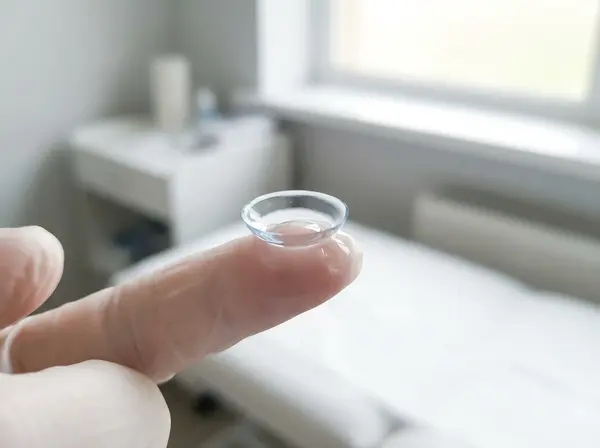
Imagine waking up with clear vision, playing sports without worrying about glasses slipping, and enjoying San Francisco’s stunning views from Marina Green without frames blocking your peripheral vision. Contact lenses offer freedom that glasses simply cannot match—but finding the right lenses requires more than ordering online or grabbing whatever’s on sale at a chain store.
A proper contact lens fitting ensures your lenses fit comfortably, provide crisp vision, and protect your eye health for years to come. At City Optix, Dr. Jeff Rich has spent 37 years fitting thousands of San Francisco residents with contact lenses perfectly matched to their unique eyes, lifestyles, and vision needs. Whether you’re a first-time wearer curious about the process or an experienced contact lens user frustrated with discomfort, this guide reveals everything you need to know about professional contact lens fitting in San Francisco’s Marina District.
Why Professional Contact Lens Fitting Matters
Contact lenses sit directly on your cornea—the clear, dome-shaped surface covering your eye. Unlike glasses that sit safely away from your eyes, contacts require precise fitting to avoid serious complications. Poorly fitted lenses can cause corneal abrasions, infections, oxygen deprivation leading to corneal swelling, chronic red eyes, and in severe cases, permanent vision damage.
The American Optometric Association reports that wearing improperly fitted contact lenses or those purchased without professional fitting increases infection risk by 500% American Optometric Association. These infections can develop rapidly, causing pain, vision loss, and potentially requiring surgical intervention to save your sight.
Professional fitting with Dr. Rich at City Optix ensures your lenses match your corneal shape, move properly with each blink, allow adequate oxygen transmission, and suit your tear film quality. This personalized approach protects your vision while maximizing comfort and visual clarity—benefits impossible to achieve by simply ordering “your prescription” online.
The Hidden Dangers of Buying Contacts Online Without Fitting
Online contact lens retailers seduce consumers with low prices and convenience, but buying without professional fitting creates risks that far outweigh minimal cost savings. Here’s what online sellers won’t tell you:
Your glasses prescription is NOT your contact lens prescription. Contact lenses require additional measurements—base curve, diameter, and lens design—that don’t appear on eyeglass prescriptions. Ordering contacts using only your glasses prescription virtually guarantees poor fit and potential eye damage.
Expired contact lens prescriptions mean your eye health hasn’t been evaluated recently. Contact lens prescriptions typically expire after one year because Dr. Rich needs to verify your eyes remain healthy enough for lens wear. Corneal changes, dry eye development, or early signs of complications require assessment before continuing lens wear.
One-size-fits-all approaches ignore your unique corneal shape, tear quality, and visual demands. The lenses that work beautifully for your friend may cause discomfort, blurred vision, or complications for you. Professional fitting accounts for individual differences that dramatically impact success and satisfaction.
What Makes City Optix’s Contact Lens Fitting Different
Dr. Rich’s 37 years of experience fitting contact lenses means he’s seen virtually every challenge, complication, and unique situation imaginable. While chain optical stores rush through fittings using junior optometrists following corporate protocols, Dr. Rich takes time to understand your specific needs, lifestyle, and goals before recommending solutions.
Marina District professionals need different lens solutions than Russian Hill retirees or Nob Hill students. Your occupation, hobbies, screen time, outdoor activities, and personal preferences all influence which lenses will work best. Dr. Rich asks detailed questions about your daily routine, visual demands, and lifestyle priorities to ensure recommendations support your real life.
City Optix invests in advanced fitting technology including corneal topography that creates three-dimensional maps of your cornea’s exact shape. This sophisticated measurement system detects even subtle irregularities affecting lens fit—catching problems that basic manual measurements miss entirely. The result? First-time fit success rates dramatically higher than industry averages.
The Value of Continuity in Contact Lens Care
When you establish contact lens care at City Optix, Dr. Rich becomes your long-term partner in maintaining eye health while enjoying lens wear convenience. He monitors your corneal health over years, detecting subtle changes that might indicate you need different lens materials, replacement schedules, or wearing patterns.
This longitudinal relationship proves invaluable when problems arise. If you develop discomfort or vision changes, Dr. Rich knows your complete contact lens history—what you’ve tried, what worked, what didn’t—enabling faster, more effective problem-solving than practitioners seeing you for the first time.
The Contact Lens Fitting Process: What to Expect at City Optix
Contact lens fitting at City Optix combines comprehensive eye examination with specialized contact lens measurements and evaluations. Here’s the step-by-step process Dr. Rich uses to ensure perfect fit and optimal vision:
Step 1: Comprehensive Eye Health Evaluation
Your fitting begins with thorough eye examination ensuring your eyes are healthy enough for contact lens wear. Dr. Rich checks for conditions that might complicate lens wear or require special consideration—dry eye disease, corneal irregularities, allergies, previous eye surgeries, or inflammatory conditions.
This health screening protects you from attempting lens wear when your eyes aren’t suitable candidates. Some patients need treatment for dry eye or other conditions before safely wearing contacts. Others require specialty lenses designed specifically for their unique situations. Identifying these factors upfront prevents frustration, wasted money on lenses that won’t work, and potential eye damage.
Step 2: Precise Vision Assessment
Dr. Rich determines your exact prescription using advanced digital refraction technology. Contact lens prescriptions differ slightly from glasses prescriptions because lenses sit directly on your eyes rather than 12mm away like glasses. The prescription must account for this proximity, requiring specific calculations for accurate vision correction.
If you have astigmatism—irregular corneal curvature causing distorted vision—Dr. Rich determines whether you need toric contact lenses with built-in astigmatism correction. Not all astigmatism requires toric lenses; low amounts can often be managed with standard spherical lenses, saving you money while providing excellent vision.
For San Francisco professionals over 40 experiencing presbyopia—age-related difficulty focusing on near objects—Dr. Rich discusses multifocal contact lens options providing clear vision at all distances without reading glasses. These sophisticated lenses require extra skill to fit properly, making Dr. Rich’s decades of experience particularly valuable.
Step 3: Corneal Measurements and Topography
Dr. Rich uses specialized instruments to measure your cornea’s exact curvature, diameter, and shape. The keratometer measures corneal curvature in different meridians, providing base curve and power information essential for lens selection. Corneal topography creates detailed three-dimensional maps revealing subtle irregularities invisible to basic measurements.
These precise measurements ensure selected lenses match your corneal contours perfectly. Lenses too flat sit loosely and move excessively, causing blurred vision and discomfort. Lenses too steep fit too tightly, restricting oxygen flow and potentially damaging your cornea. Proper curvature ensures optimal fit, comfort, and eye health.
Step 4: Tear Film Analysis
Healthy contact lens wear requires adequate tear production and quality. Dr. Rich evaluates your tear film—the thin layer of moisture coating your eyes—checking for signs of dry eye disease that might complicate lens wear. He assesses tear breakup time, observes tear quality, and checks for inflammatory markers indicating potential problems.
San Francisco residents face particular dry eye challenges due to screen-heavy lifestyles, air quality issues, and indoor heating/cooling systems. Many Marina District professionals spend 10+ hours daily on computers, causing tear film instability that impacts contact lens comfort. Identifying dry eye issues during fitting enables Dr. Rich to recommend lens materials and designs specifically engineered for dry eye patients.
If you have significant dry eye, Dr. Rich might recommend:
- Daily disposable lenses that feel fresh every morning
- High-oxygen-transmissibility materials reducing corneal stress
- Lenses with moisture-locking technology maintaining hydration
- Prescription treatments addressing underlying dry eye causes
- Lifestyle modifications improving tear quality
Step 5: Lifestyle and Preference Discussion
Dr. Rich asks detailed questions about how you’ll use your contact lenses:
- How many hours daily will you wear contacts?
- Do you need lenses primarily for sports and recreation, or full-time wear?
- How important is convenience versus cost-effectiveness?
- Are you comfortable with daily cleaning and storage routines?
- Do you frequently travel or prefer minimal maintenance?
- What vision distances matter most—computer work, reading, driving, outdoor activities?
Your answers guide lens selection. Busy Russian Hill professionals who value convenience often prefer daily disposable lenses—wear them once and discard, with zero cleaning or storage required. Budget-conscious Nob Hill students might choose monthly replacement lenses, accepting nightly cleaning routines in exchange for lower long-term costs.
Athletes participating in Marina Green workouts or weekend sailing need durable lenses that stay in place during physical activity. Office workers staring at screens need lenses maintaining comfort and clarity despite reduced blink rates that accompany computer use.
5 Types of Contact Lenses: Finding Your Perfect Match
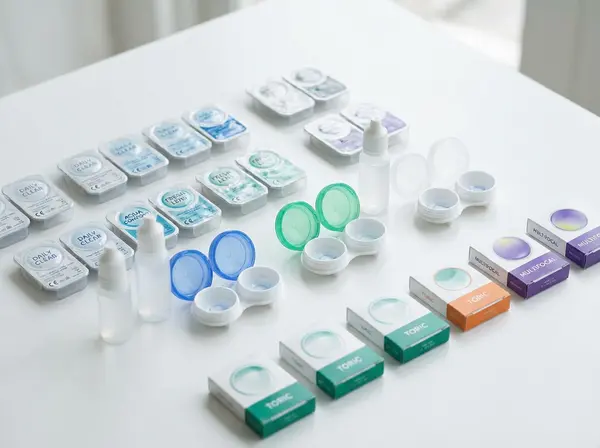
Contact lens technology has evolved dramatically over Dr. Rich’s 37-year career. Today’s lenses offer unprecedented comfort, health, and convenience compared to earlier generations. Understanding available options helps you make informed decisions about which lenses best suit your needs.
1. Daily Disposable Contact Lenses: Ultimate Convenience

Daily disposable lenses represent the gold standard for convenience and eye health. You wear a fresh, sterile pair each morning and discard them at night—no cleaning, no storage solutions, no lens cases to maintain. This simplicity eliminates the most common causes of contact lens complications: improper cleaning, contaminated storage cases, and wearing lenses longer than recommended.
Daily disposables prove perfect for:
- Busy professionals who want hassle-free vision correction fitting demanding schedules
- Part-time wearers who only need contacts occasionally for sports, events, or weekends
- Allergy sufferers who accumulate pollen and allergens on lenses throughout the day
- Travelers who want to avoid packing cleaning solutions and worrying about hygiene
- People with dry eyes who benefit from fresh, fully hydrated lenses every morning
Cost considerations: Daily disposables cost more per day than monthly lenses, but eliminate expenses for cleaning solutions, lens cases, and protein removers—narrowing the actual price gap significantly.
2. Monthly Replacement Contact Lenses: Cost-Effective Clarity
Monthly (or bi-weekly) replacement lenses offer excellent vision and comfort at lower per-day costs than daily disposables. You wear the same pair of lenses for 30 days (or 14 days for bi-weekly options), cleaning and disinfecting them nightly before storing in fresh solution.
Modern monthly lenses use advanced materials like silicone hydrogel that transmit high oxygen levels, maintaining corneal health during extended wear periods. These lenses work beautifully for consistent full-time wearers comfortable with nightly cleaning routines.
Monthly lenses suit:
- Daily full-time wearers who wear contacts every day from morning to evening
- Budget-conscious individuals wanting quality lenses at lower long-term costs
- People comfortable with routines who don’t mind nightly lens care
- Those needing specialty lenses in designs not available as daily disposables
Proper care is essential: Monthly lenses require diligent cleaning and storage hygiene to avoid infections and complications. Dr. Rich provides detailed instruction ensuring you master proper techniques before leaving City Optix with your new lenses.
3. Toric Contact Lenses: Clarity for Astigmatism
Astigmatism—irregular corneal curvature causing blurred, distorted vision—affects approximately one in three Americans. Toric contact lenses feature different powers in different meridians, correcting astigmatism just like toric eyeglass lenses do, but while sitting directly on your eye.
Modern toric lenses incorporate stabilization features keeping them properly oriented on your eye as you blink and move. Early toric lenses often rotated out of position, causing intermittent blurred vision that frustrated wearers. Today’s designs maintain stable positioning, delivering consistently crisp vision rivaling glasses.
Toric lenses are available in both daily disposable and monthly replacement options, offering astigmatism correction without sacrificing convenience preferences. Dr. Rich’s expertise fitting toric lenses proves particularly valuable, as these lenses require more precise fitting than standard spherical lenses.
4. Multifocal Contact Lenses: Freedom from Reading Glasses
Presbyopia—age-related loss of near focusing ability—affects virtually everyone over 40, traditionally forcing people to choose between distance-correcting contacts plus reading glasses, or abandoning contacts entirely for bifocal glasses. Multifocal contact lenses solve this dilemma, providing clear vision at all distances in a single lens.
Multifocal designs incorporate multiple zones with different powers, enabling you to see clearly whether reading your phone, working on a computer, or enjoying Marina District views. Your brain learns to select the appropriate zone for each visual task—a process requiring brief adaptation but resulting in seamless all-distance vision.
These sophisticated lenses demand expert fitting. Dr. Rich’s decades of experience with multifocal contacts means he understands which designs work best for different visual demands, how to optimize fitting for maximum success, and how to guide patients through the adaptation period when vision feels unusual but gradually normalizes.
Multifocal options now include daily disposables and monthly replacement lenses, even toric multifocals for patients needing both presbyopia AND astigmatism correction. This versatility means virtually any San Francisco professional experiencing near vision difficulties can find multifocal solutions maintaining their active, glasses-free lifestyle.
5. Specialty Contact Lenses: Solutions for Unique Needs
Some patients require specialty lenses addressing specific conditions or unusual prescriptions. Dr. Rich’s extensive training and experience enable him to fit complex cases that general optometrists often cannot manage:
Rigid Gas Permeable (RGP) Lenses: These firmer lenses provide exceptional optical clarity, particularly for high prescriptions or irregular corneas. While requiring longer adaptation than soft lenses, RGPs deliver vision quality impossible to achieve with soft lens designs.
Scleral Lenses: Large-diameter rigid lenses that vault over the entire cornea, resting on the white part of your eye. These prove invaluable for patients with keratoconus, severe dry eye, or corneal irregularities preventing successful soft lens wear.
Orthokeratology (Ortho-K): Specialized rigid lenses worn overnight that gently reshape your cornea, allowing clear vision throughout the next day without any lens wear. These work particularly well for myopia control in children and adults wanting daytime freedom from correction.
Post-Surgical Lenses: Custom designs for patients who’ve undergone LASIK, PRK, or corneal transplants and now need vision correction addressing their altered corneal shape.
High Prescription Lenses: Custom-made lenses for extreme prescriptions exceeding standard parameter ranges.
City Optix maintains relationships with specialty lens manufacturers, enabling Dr. Rich to order custom designs when standard products won’t work. His persistence ensures even “hard-to-fit” patients achieve successful contact lens wear.
Your First Contact Lens Fitting: A Step-by-Step Journey
If you’ve never worn contact lenses, the fitting process might seem mysterious or intimidating. Here’s exactly what happens during your first appointment at City Optix, removing any anxiety about the unknown:
Before Your Appointment: Bring your current glasses if you wear them, along with a list of medications and any questions about contact lens wear. If possible, avoid wearing eye makeup to your fitting appointment, as it can interfere with measurements and lens application training.
The Consultation (10-15 minutes): Dr. Rich discusses your motivation for wanting contacts, your lifestyle and visual needs, any concerns you have, and your expectations. This conversation ensures he understands your priorities and can recommend lenses matching your actual life rather than generic solutions.
Eye Examination and Measurements (30-40 minutes): Comprehensive eye health evaluation, precise prescription determination, corneal measurements, tear film assessment, and discussions of findings. Dr. Rich explains everything he’s seeing and doing, ensuring you understand the process.
Trial Lens Application (15-20 minutes): Dr. Rich selects trial lenses based on your measurements and places them on your eyes. You’ll experience what contact lens vision feels like, ensure comfort, and verify clarity. This trial period allows assessment of lens movement, positioning, and interaction with your tears.
Initial Wear Training (20-30 minutes): If you’re satisfied with the trial lenses, Dr. Rich or his trained staff teach you proper insertion and removal techniques. First-timers typically require multiple practice attempts before mastering the process—this is completely normal. You’ll practice until feeling confident, never being rushed or made to feel inadequate about the learning curve.
Care and Maintenance Education (10-15 minutes): For monthly lenses, thorough instruction on proper cleaning, disinfection, storage, and replacement schedules. Dr. Rich ensures you understand every step before taking lenses home.
Follow-Up Scheduling: Your first fitting appointment includes a follow-up visit scheduled 1-2 weeks later, allowing Dr. Rich to verify your eyes are adapting well, address any concerns, and make adjustments if needed. This follow-up is crucial for long-term success and is included in your fitting fee.
Realistic Timeline: Complete first-time contact lens fitting typically requires 90-120 minutes. While this might seem extensive, the time investment ensures proper fitting, thorough education, and confident independent lens handling—preventing complications and frustration that rushed fittings create.
Adapting to Contact Lenses: What First-Time Wearers Should Know
Starting contact lens wear involves adaptation as your eyes and brain adjust to this new way of seeing. Understanding what to expect helps you navigate the learning period without unnecessary worry:
Physical Adaptation (Days 1-7)
Initial awareness: New wearers typically feel aware of lenses for the first few days—not painful, but conscious that something is on their eyes. This sensation gradually diminishes as your eyes adapt, usually disappearing within a week.
Blinking feels different: Lenses move slightly with each blink—this is normal and necessary for tear exchange beneath the lens. The sensation feels unusual initially but becomes unnoticeable as you adapt.
Insertion and removal improves rapidly: What takes 10 minutes of fumbling on day one becomes a 30-second routine within a week. Every new wearer struggles initially—your dexterity will improve quickly with practice.
Visual Adaptation (Days 1-14)
Slight blur or haziness: Vision might seem slightly less crisp than glasses initially. This usually resolves within days as your tear film stabilizes and your brain adapts to the new visual input.
Contrast and depth perception: Colors might appear brighter and depth perception improved compared to glasses, since lenses move with your eyes rather than creating artificial boundaries in your visual field.
End-of-day changes: Vision and comfort typically decrease somewhat by evening initially, improving as your eyes build tolerance for longer wearing times.
When to Call Dr. Rich
Contact lens wear should feel comfortable and provide clear vision after the initial adaptation period. Call City Optix immediately if you experience:
- Persistent pain or discomfort beyond day three
- Redness that increases rather than improves
- Light sensitivity or excessive tearing
- Vision remaining blurred or fluctuating significantly
- Feeling that something is wrong—trust your instincts
These symptoms might indicate fit problems requiring adjustment, or occasionally early signs of complications needing immediate attention. Never dismiss persistent discomfort as “normal” adaptation.
Maintaining Eye Health: Best Practices for Contact Lens Wearers
Successful long-term contact lens wear requires habits protecting your corneal health. Dr. Rich emphasizes these essential practices with all City Optix patients:
The Cardinal Rules of Contact Lens Wear
Never sleep in contacts unless specifically prescribed extended-wear lenses by Dr. Rich. Sleeping in lenses dramatically increases infection risk—even “breathable” lenses reduce overnight oxygen transmission enough to stress your corneas.
Never expose lenses to water— no swimming, hot tubbing, or showering while wearing contacts. Water harbors microorganisms that can cause serious eye infections. Always remove lenses before water exposure.
Replace lenses on schedule: Daily disposables must be discarded after single use. Monthly lenses must be replaced after 30 days, even if they feel fine. Protein deposits accumulate on lenses over time, eventually causing discomfort and vision problems regardless of how well you clean them.
Use only recommended solutions: Dr. Rich specifies which cleaning and storage solutions work with your particular lenses. Different solutions have different ingredients; using improper products can damage lenses or cause eye irritation.
Clean lenses properly: Rub lenses gently with cleaning solution despite “no-rub” claims—mechanical rubbing removes deposits more effectively than solution alone. Rinse thoroughly with fresh solution before storing.
Replace lens cases regularly: Storage cases harbor bacteria even with proper care. Replace cases every three months to minimize infection risk.
San Francisco-Specific Contact Lens Challenges
Marina District residents face unique challenges affecting contact lens comfort:
Screen time and dry eye: San Francisco’s tech-dominated economy means many patients spend excessive time on screens, dramatically reducing blink rates and causing dry eye symptoms. Take regular breaks using the 20-20-20 rule: every 20 minutes, look at something 20 feet away for 20 seconds, consciously blinking several times.
Air quality variations: Bay Area air quality fluctuates with wildfire season and urban pollution. Poor air quality irritates eyes and exacerbates contact lens discomfort. Consider daily disposables during poor air quality days, starting fresh each morning rather than wearing lenses accumulating irritants throughout the day.
Fog and moisture: San Francisco’s famous fog creates moisture that some patients find helpful for contact lens comfort, while others experience increased awareness of lenses. Understanding your individual response helps you plan wearing schedules around weather conditions.
Active outdoor lifestyle: Marina District’s proximity to Marina Green, Crissy Field, and bay activities means residents lead active outdoor lives. Ensure proper UV protection if spending significant time outdoors—many contact lenses offer UV blocking, but sunglasses remain essential for comprehensive protection.

Common Contact Lens Questions Answered
Throughout 37 years fitting contact lenses, Dr. Rich has heard virtually every question and concern imaginable. Here are answers to the most common queries from San Francisco patients:
“Can contacts get lost behind my eye?” Absolutely not. A thin membrane called the conjunctiva connects your eyeball to your eyelids, making it anatomically impossible for lenses to migrate behind your eye. Lenses can occasionally slide under your eyelid, but they remain easily retrievable.
“Will contacts hurt?” Properly fitted lenses feel comfortable after initial adaptation. If lenses hurt, something is wrong—the fit may be incorrect, lenses might be damaged, or an underlying problem needs attention. Contact Dr. Rich rather than tolerating discomfort.
“Can I wear contacts while playing sports?” Yes! Contact lenses provide significant advantages over glasses for sports—no frames obstructing peripheral vision, no fogging, no worrying about glasses breaking during contact sports. Many athletes prefer contacts specifically for sports while wearing glasses for daily life.
“Am I too old for contacts?” Age alone doesn’t disqualify contact lens wear. Dr. Rich fits patients from teens through their eighties. Dexterity for insertion and removal matters more than age. If you can manage the physical handling, you can wear contacts regardless of age.
“Will contacts make my vision worse?” Contact lenses don’t cause your prescription to worsen or improve. Your prescription changes (or doesn’t) based on genetics, age, and other factors completely unrelated to whether you wear glasses or contacts.
“Can I nap in daily disposable lenses?” While not ideal, brief naps in daily disposables pose less risk than sleeping overnight in monthly lenses. However, removing lenses before sleeping remains the safest practice. Never sleep in monthly lenses without Dr. Rich’s explicit approval.
The Investment: Contact Lens Costs and Value
Contact lens costs vary based on lens type, prescription complexity, and replacement schedule. Understanding the complete picture helps you make informed decisions:
Fitting Fees: Professional contact lens fitting typically costs $100-200 beyond basic eye examination fees. This covers specialized measurements, trial lenses, insertion training, and follow-up appointments. While this represents additional upfront cost compared to glasses alone, the investment ensures proper fit protecting your eye health.
Annual Lens Costs:
- Daily Disposables: $400-800 annually for standard prescriptions
- Monthly Lenses: $200-400 annually plus $50-100 for cleaning solutions
- Toric Lenses: Add $100-300 to above costs
- Multifocal Lenses: Add $200-400 to above costs
- Specialty Lenses: $600-2000+ depending on design complexity
Vision Insurance Coverage: Most vision insurance plans provide contact lens benefits—typically $150-200 allowance annually. City Optix accepts major vision plans including VSP, EyeMed, and MES, maximizing your benefits and minimizing out-of-pocket costs.
Value Beyond Price: While contact lens costs exceed basic glasses, the freedom, convenience, and lifestyle benefits justify the investment for most wearers. Imagine playing basketball without glasses slipping, hiking Marina headlands with unobstructed peripheral vision, or waking up able to see the clock without fumbling for glasses.
Making the Switch: Transitioning from Glasses to Contacts
Many long-time glasses wearers hesitate to try contacts, concerned about the learning curve or doubting their ability to handle lenses. Dr. Rich guides hundreds of San Francisco patients through this transition annually, making the process smooth and confidence-building:
Start gradually: You don’t need to abandon glasses entirely. Many successful contact lens wearers use contacts for specific activities—work, sports, social events—while wearing glasses at home for comfort and convenience. This hybrid approach provides maximum flexibility.
Choose optimal timing: Begin wearing contacts during a relatively unstressful period when you can dedicate attention to the learning process. Avoid starting right before major deadlines, presentations, or travel when you need proven vision solutions.
Set realistic expectations: Expect a learning curve. Every successful contact lens wearer initially struggled with insertion and removal. Your dexterity and confidence will improve rapidly with practice—typically mastering the process within a week despite initial fumbling.
Communicate concerns: Share any fears or hesitations with Dr. Rich. He’s heard them all and can address specific worries, often discovering your concerns are based on misconceptions about modern contact lens wear.
Celebrate advantages: Focus on the activities contacts enable rather than viewing them as a hassle. Clear vision while swimming, unobstructed peripheral vision while biking the Embarcadero, fog-free vision year-round—these benefits make the minor inconvenience worthwhile.
Why Choose City Optix for Contact Lens Fitting in San Francisco
Marina District residents have numerous options for contact lens fitting, but City Optix offers distinct advantages that impact both immediate success and long-term satisfaction:
Dr. Rich’s 37 Years of Expertise: Having fit thousands of patients since 1988, Dr. Rich brings experience that accelerates troubleshooting when challenges arise. He’s seen virtually every fitting complexity and complication, enabling rapid solutions when problems develop.
Advanced Fitting Technology: City Optix invests in corneal topography and specialized measurement equipment that improves first-time fit success rates. Precise measurements mean you’re more likely to love your initial lenses rather than requiring multiple adjustment appointments.
Unhurried Appointments: Dr. Rich schedules adequate time for thorough fittings, never rushing you through the process to maximize patient volume. This results in better education, more confident lens handling, and fewer post-fitting problems.
Comprehensive Follow-Up: Your fitting includes scheduled follow-up appointments ensuring your eyes adapt well and catching any issues early. This ongoing support proves invaluable during the learning period when questions and concerns naturally arise.
Local Accessibility: Located at 2154 Chestnut Street in the heart of the Marina District, City Optix provides convenient access for residents throughout Marina, Russian Hill, Nob Hill, and northern San Francisco neighborhoods. When you need same-day troubleshooting for lens problems, local accessibility matters tremendously.
Luxury Eyewear Options: City Optix combines contact lens expertise with curated luxury and independent eyewear collections. You can switch between contacts and designer glasses depending on occasion, mood, and convenience—enjoying the best of both vision correction options.
Schedule Your Contact Lens Fitting at City Optix
Ready to experience the freedom of contact lens wear? Curious whether contacts might work for your unique eyes and lifestyle? Join the thousands of San Francisco residents who trust Dr. Jeff Rich for expert contact lens fitting combining cutting-edge technology, 37 years of experience, and genuinely personalized care.
Whether you’re a first-time wearer nervous about the process, an experienced user frustrated with your current lenses, or someone with complex needs requiring specialty solutions, City Optix provides the expertise and patient-centered service ensuring your success and satisfaction.
Call City Optix today at (415) 921-1444 to schedule your contact lens fitting consultation, or visit us at 2154 Chestnut Street, San Francisco, CA 94123. Discover why Marina District residents choose Dr. Rich for contact lenses that fit perfectly, feel comfortable, and support their active San Francisco lifestyles.
About the Author: Dr. Jeff Rich, OD, has specialized in contact lens fitting throughout his 37-year career serving San Francisco’s Marina District community since 1988. His expertise spans all lens types from daily disposables to complex specialty lenses, with particular focus on ensuring first-time wearers succeed and experienced users optimize their lens choices. City Optix serves families throughout Marina, Russian Hill, Nob Hill, and northern San Francisco neighborhoods.
FAQ SECTION
Q: How long does a contact lens fitting take at City Optix?
A: A complete contact lens fitting at City Optix typically takes 90-120 minutes for first-time wearers. This includes comprehensive eye examination, specialized corneal measurements, trial lens application, insertion/removal training, and care instruction. Follow-up appointments scheduled 1-2 weeks later take 15-30 minutes to verify proper adaptation.
Q: Can I order contact lenses online with just my glasses prescription?
A: No, glasses prescriptions and contact lens prescriptions are different. Contact lenses require additional measurements including base curve, diameter, and specific lens design parameters that don’t appear on eyeglass prescriptions. Ordering contacts without proper fitting risks poor fit, discomfort, and potential eye damage.
Q: What’s the difference between daily and monthly contact lenses?
A: Daily disposable lenses are worn once and discarded, requiring no cleaning or storage—offering maximum convenience and reduced infection risk. Monthly lenses are worn for 30 days with nightly cleaning and storage, providing lower per-day costs but requiring diligent hygiene routines. Both options deliver excellent vision and comfort when properly fitted.
Q: Can I wear contact lenses if I have astigmatism?
A: Yes, toric contact lenses correct astigmatism just like toric glasses lenses. Modern toric lenses feature stabilization designs keeping them properly oriented on your eye for consistently clear vision. Dr. Rich fits toric lenses in both daily disposable and monthly replacement options, available at City Optix in San Francisco’s Marina District.
Q: Are contact lenses safe for people over 40 with presbyopia?
A: Absolutely. Multifocal contact lenses provide clear vision at all distances for people with presbyopia, eliminating the need for reading glasses. These sophisticated lenses incorporate multiple power zones enabling you to see near, intermediate, and distance clearly. Dr. Rich’s 37 years of experience ensures successful multifocal fitting even for first-time contact lens wearers.
Q: How much do contact lenses cost in San Francisco?
A: Contact lens costs vary by type: daily disposables typically cost $400-800 annually, while monthly lenses cost $200-400 plus cleaning solutions. Specialty lenses for astigmatism or presbyopia add $100-400 to annual costs. City Optix accepts most vision insurance plans including VSP and EyeMed, which typically provide $150-200 annual contact lens benefits.
Q: Can contact lenses damage my eyes?
A: Properly fitted contact lenses worn according to Dr. Rich’s instructions are safe for long-term wear. However, poorly fitted lenses, improper care, or wearing schedules exceeding recommendations can cause complications including infections, corneal abrasions, and oxygen deprivation. Professional fitting at City Optix and following care instructions ensures healthy, comfortable lens wear.
Q: What should I bring to my contact lens fitting appointment?
A: Bring current eyeglasses (if you wear them), vision insurance card, list of medications including supplements, and any questions about contact lens wear. Avoid wearing eye makeup to fitting appointments, as it can interfere with measurements and insertion training. Allow 90-120 minutes for first-time fittings at City Optix.