
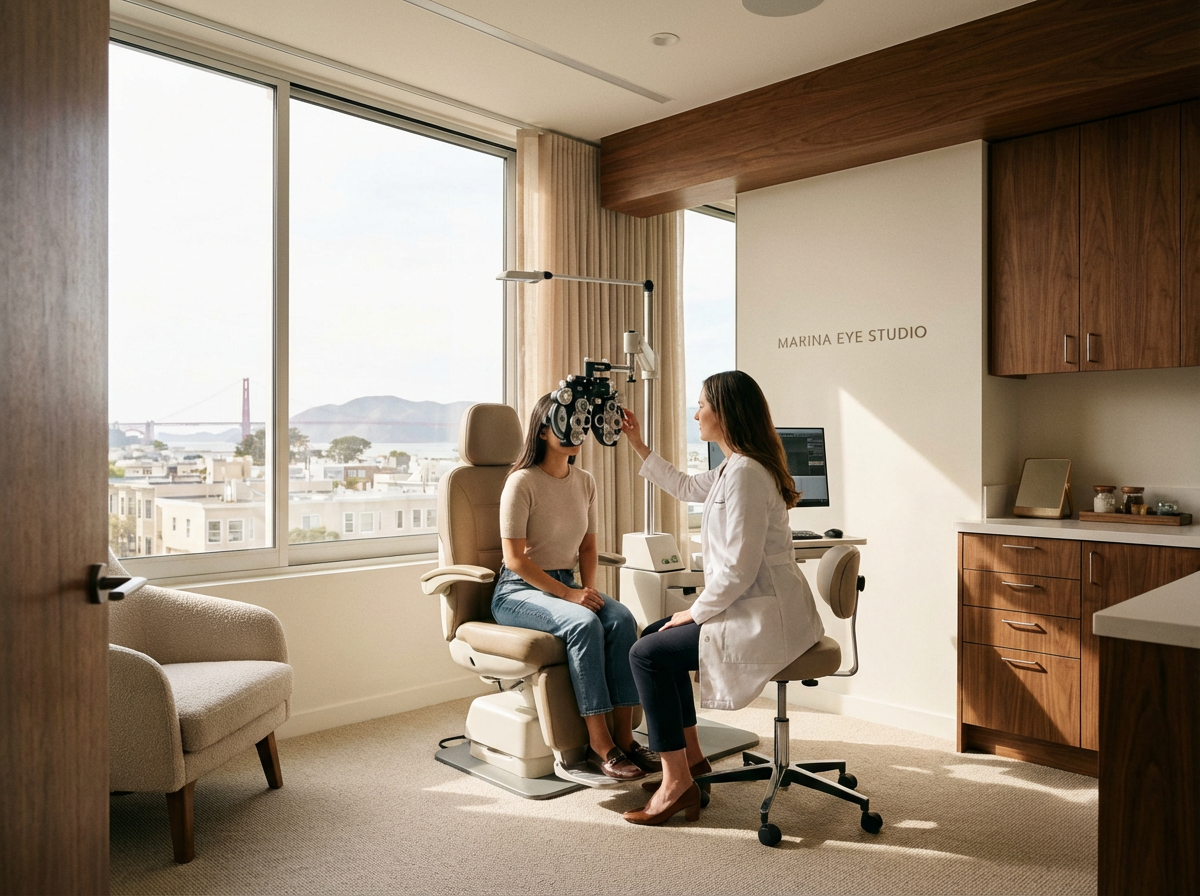
When was your last comprehensive eye exam? If you’re like most San Francisco professionals juggling demanding careers and active lifestyles, it’s probably been longer than recommended. Yet your eyes work harder than ever—navigating Marina District streets in morning fog, staring at screens through long workdays, and adapting to the Bay Area’s unique environmental challenges.
A comprehensive eye exam isn’t just about updating your prescription. It’s a vital health screening that can detect serious conditions years before symptoms appear, all while ensuring your vision supports rather than limits your life. At City Optix, located in the heart of San Francisco’s Marina District, Dr. Jeff Rich has spent over three decades helping residents of Marina, Russian Hill, and Nob Hill see clearly and maintain optimal eye health.
Why Comprehensive Eye Exams Matter More Than You Think
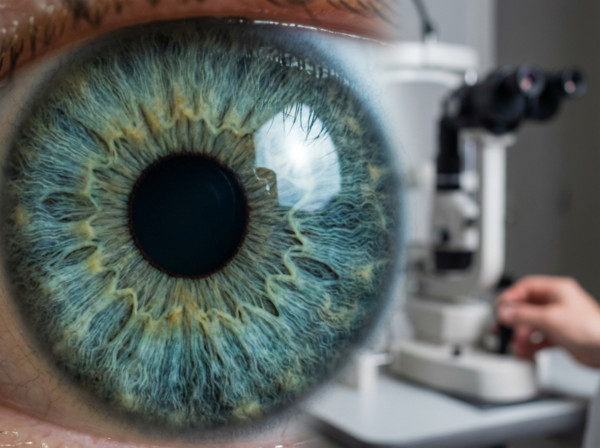
Your eyes are remarkable organs, but they’re also windows into your overall health. During a comprehensive eye exam at City Optix, Dr. Rich examines far more than your ability to read a chart. He’s looking for early signs of glaucoma, macular degeneration, diabetic retinopathy, and even systemic conditions like hypertension or high cholesterol—all visible through your eyes before affecting other parts of your body.
Consider this: glaucoma affects over 3 million Americans, yet half don’t know they have it Glaucoma Research Foundation. This “silent thief of sight” develops gradually, stealing peripheral vision so subtly that people don’t notice until significant damage has occurred. Only comprehensive eye exams with specialized testing catch it early, when treatment can preserve your vision for life.
For San Francisco residents, environmental factors intensify the need for regular eye care. The Marina District’s proximity to the bay creates moisture patterns affecting dry eye symptoms. Russian Hill’s steep terrain demands excellent depth perception and distance judgment for safe driving and walking. Nob Hill professionals spending 8-12 hours daily on screens experience epidemic levels of digital eye strain and computer vision syndrome. Dr. Rich understands these neighborhood-specific challenges because he’s examined thousands of local patients over 37 years of practice.
The Hidden Benefits of Regular Eye Exams
Beyond detecting eye diseases, comprehensive exams at City Optix provide benefits many patients never consider. Dr. Rich frequently identifies early signs of diabetes through retinal blood vessel changes, prompting patients to seek medical care that prevents serious complications. He’s discovered brain tumors through optic nerve swelling, caught early melanomas on the eyelid, and identified nutritional deficiencies affecting vision.
These discoveries happen during routine exams for patients who felt perfectly healthy—proving that what you don’t know about your eye health can indeed hurt you. According to the American Optometric Association, comprehensive eye exams can detect over 270 serious health conditions, making them one of the most valuable preventive health screenings available American Optometric Association.
What Actually Happens During Your Comprehensive Eye Exam
Walking into City Optix for your eye exam, you’ll immediately notice the difference from rushed chain optical stores. Dr. Rich schedules adequate time for thorough examinations—typically 45-60 minutes—because quality eye care cannot be rushed.
Here’s what happens during your visit:
1. Medical History and Vision Discussion
Your exam begins with conversation, not testing. Dr. Rich asks about your vision concerns, work demands, hobbies, family medical history, and current medications. Are you experiencing headaches while reading? Do your eyes feel tired after screen time? Have you noticed halos around lights while driving at night through the Marina?
These details guide the examination and help Dr. Rich understand your unique visual needs. This personalized approach differentiates City Optix from corporate chains where you’re just another appointment slot. For Marina District professionals who value their time, this thorough initial discussion ensures the exam addresses your specific concerns rather than following a generic checklist.
2. Visual Acuity Testing
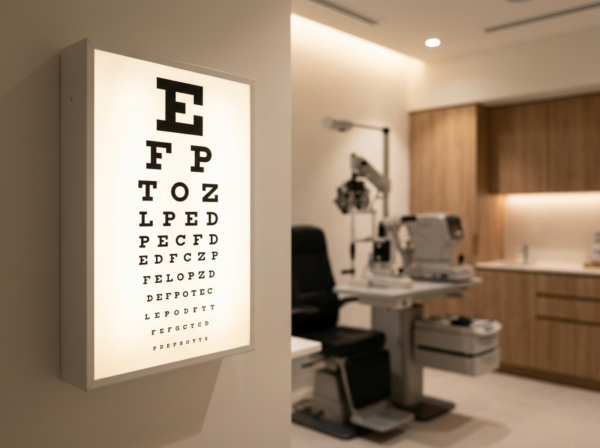
You’ll read letters on the familiar eye chart, testing how clearly you see at various distances. But Dr. Rich goes beyond standard charts. He evaluates your vision under different lighting conditions mimicking real-world situations—dim lighting like San Francisco’s foggy mornings, bright conditions like afternoon sun reflecting off bay waters, and intermediate distances matching your computer screen setup.
This comprehensive assessment ensures your prescription works for actual daily activities, not just test room conditions. Russian Hill residents navigating steep, shadowy streets need different visual considerations than Nob Hill executives working in brightly-lit corner offices.
3. Refraction Assessment
This is where Dr. Rich determines your precise prescription using advanced digital refraction technology. You’ll look through the phoropter—that device with multiple lenses—as he asks, “Which is better, one or two?” Modern equipment at City Optix accelerates this process while improving accuracy, measuring not just your basic prescription but also how your eyes work together, your depth perception, and your contrast sensitivity.
For Marina District professionals, Dr. Rich considers occupational demands: programmers need prescriptions optimized for 24-inch screen distance, architects reviewing blueprints require different focal lengths, and outdoor enthusiasts benefit from prescriptions maximizing distance clarity.
4. Eye Health Evaluation
Using specialized equipment, Dr. Rich examines both the external and internal structures of your eyes. The slit lamp biomicroscope provides magnified views of your cornea, iris, and lens, detecting conditions like cataracts, corneal damage, or inflammation invisible to naked-eye examination.
Digital retinal imaging captures detailed photographs of your retina, optic nerve, and blood vessels—creating permanent records for comparison at future exams. This technology enables Dr. Rich to spot subtle changes indicating developing problems years before symptoms appear. Think of it like having a “before” photo that makes any “after” changes immediately obvious.
5. Glaucoma Screening
Glaucoma testing measures your intraocular pressure—the fluid pressure inside your eyes. Elevated pressure damages the optic nerve over time, causing irreversible vision loss if untreated. City Optix uses modern tonometry methods that are quick, comfortable, and highly accurate.
Dr. Rich also evaluates your optic nerve appearance and peripheral vision, since some patients develop glaucoma despite normal pressure readings. This multi-faceted approach catches this sight-stealing disease in its earliest, most treatable stages.
6. Dilated Eye Examination
For comprehensive exams, Dr. Rich often recommends dilation—applying drops that widen your pupils for 4-6 hours. While this temporarily makes reading difficult and increases light sensitivity, it allows thorough examination of your retina, detecting problems impossible to see through normal-sized pupils.
Dilation is particularly important for patients over 40, those with diabetes or high blood pressure, people with family history of eye disease, and anyone experiencing vision changes or eye discomfort. Most Marina District patients schedule dilated exams for afternoons when they can wear sunglasses and avoid detailed close work afterward.
7 Key Tests That Make Comprehensive Exams Different
Standard vision screenings at chain stores check basic acuity—can you see clearly? Comprehensive eye exams at City Optix investigate much deeper, using specialized tests that protect your long-term vision and overall health:
1. Digital Retinal Imaging
High-resolution photographs document your retina’s health, creating baseline images for future comparison. Dr. Rich can zoom into these images, examining blood vessels, checking for signs of macular degeneration, and spotting early diabetic changes. These images become part of your permanent record, enabling precise monitoring of any changes over months or years. It’s like having a detailed map of your eye’s interior that reveals even minor changes over time.
2. Visual Field Testing
This computerized test maps your peripheral vision, detecting blind spots caused by glaucoma, stroke, or neurological conditions. You’ll focus on a central point while indicating when you see lights appear in your peripheral vision. The resulting map shows your complete field of vision, with any gaps indicating areas requiring investigation. For San Francisco drivers navigating busy Marina streets or Russian Hill’s challenging intersections, healthy peripheral vision is essential for safety.
3. Color Vision Assessment
While everyone remembers childhood color blindness tests, adult color vision screening serves different purposes. Changes in color perception can indicate optic nerve problems, retinal disease, or medication side effects. For San Francisco design professionals, artists, and anyone whose work depends on accurate color discrimination, this testing proves essential. Subtle color vision changes can signal serious problems long before other symptoms appear.
4. Eye Teaming and Coordination Evaluation
Your eyes must work together as a coordinated team, aligning perfectly and focusing in sync. Dr. Rich tests eye muscle function, alignment, and coordination, detecting problems causing eyestrain, headaches, double vision, or reading difficulties despite “perfect” 20/20 acuity.
These binocular vision issues are particularly common among Nob Hill professionals doing extensive computer work. Many patients suffer for years with symptoms they attribute to stress or fatigue, never realizing that eye coordination problems are the actual culprit—problems that respond beautifully to proper treatment.
5. Dry Eye Assessment
Dry eye disease has reached epidemic proportions in San Francisco, driven by screen time, air quality, and aging demographics. Dr. Rich evaluates your tear film quality and quantity, checking for inflammation, oil gland dysfunction, and factors contributing to chronic discomfort.
Proper diagnosis enables targeted treatment, from prescription medications to specialty contact lenses to lifestyle modifications. The relief patients experience when chronic eye discomfort finally resolves after proper diagnosis cannot be overstated. Many have suffered for years, trying over-the-counter drops with minimal success, unaware that medical treatments could eliminate their symptoms.
6. Contrast Sensitivity Testing
Standard acuity tests use high-contrast black letters on white backgrounds. Real life offers varying contrast levels—imagine driving in Marina fog or reading in dim restaurant lighting. Contrast sensitivity testing reveals how well you see in real-world conditions, detecting problems that normal acuity tests miss Vision Science Research.
This matters tremendously for activities like night driving, reading in low light, or distinguishing objects in fog—all common challenges for San Francisco residents.
7. Pupil Response Evaluation
How your pupils react to light provides insights into neurological function and eye health. Abnormal pupil responses can indicate optic nerve disease, brain injury, certain medications’ effects, or neurological conditions requiring medical attention. This simple test takes seconds but provides information extending far beyond eye health, occasionally detecting serious neurological problems before they cause obvious symptoms.
Understanding Your Results: What Dr. Rich Looks For
After completing your comprehensive eye exam, Dr. Rich takes time to explain findings in understandable terms. He doesn’t just hand you a prescription—he discusses what he observed, what it means for your eye health, and what steps, if any, you should take.
If everything looks healthy, he’ll recommend an appropriate follow-up schedule based on your age and risk factors. Adults under 40 with no risk factors typically need exams every 2 years. Those 40-64 should have annual exams as age-related conditions become more common. Everyone over 65 needs annual comprehensive exams regardless of how well they see, since many serious eye diseases develop silently in this age group.
When Dr. Rich identifies concerns—early cataracts, suspicious optic nerve appearance, retinal changes—he explains what he’s seeing, what it might mean, and what monitoring or treatment he recommends. For conditions requiring specialist care, he coordinates referrals to trusted ophthalmologists at UCSF or other Bay Area medical centers, ensuring you receive seamless care.
Prescriptions Optimized for San Francisco Living
If you need vision correction, Dr. Rich doesn’t simply prescribe to numerical perfection. He considers how you actually use your vision. Russian Hill residents navigating steep streets need excellent distance vision and depth perception. Marina District professionals working remotely benefit from computer glasses optimized for screen distance. Nob Hill executives attending evening events want contact lenses providing crisp vision without the distraction of frames.
Dr. Rich discusses your priorities, explains options including glasses and contact lenses, and prescribes corrections supporting your lifestyle. This personalized approach ensures your vision correction enhances your life rather than merely meeting minimum standards.
Special Considerations for Contact Lens Wearers

If you wear or want to wear contact lenses, your comprehensive eye exam includes additional evaluations specific to contact lens fitting and health. Dr. Rich has specialized extensively in contact lens technology—a field that has evolved dramatically over his 37 years of practice.
Contact lens fitting begins with corneal measurements using advanced topography technology that maps your cornea’s exact shape. This ensures lenses fit properly, move correctly with each blink, and don’t compromise corneal health. Dr. Rich evaluates your tear film quality, since dry eyes and contact lenses make problematic partners requiring specialized solutions.
City Optix offers comprehensive contact lens options: daily disposables for convenience and eye health, weekly or monthly replacement lenses for cost-effectiveness, specialty lenses for astigmatism, multifocal contacts for presbyopia, and custom designs for complex prescriptions.
Dr. Rich takes time to teach new wearers proper insertion, removal, and care techniques, ensuring you feel confident managing your lenses before leaving the office. Follow-up visits confirm fit, comfort, and vision quality, with adjustments made until achieving optimal results.
When Contact Lenses Need Special Attention
Some patients require extra expertise in contact lens fitting. If you have high astigmatism, irregular corneas, post-LASIK eyes, or “hard-to-fit” prescriptions, Dr. Rich’s decades of experience prove invaluable. He works with specialty lens manufacturers, ordering custom designs when standard products won’t work.
This persistence ensures even challenging patients enjoy the freedom and convenience of contact lens wear. Marina District residents who’ve been told they “can’t wear contacts” often find solutions at City Optix that other practitioners never considered.
Preparing for Your Appointment at City Optix
Maximizing the value of your comprehensive eye exam starts before you arrive. Bring current eyeglasses and contact lenses so Dr. Rich can evaluate what you’re currently wearing. List any medications you take, including over-the-counter drugs and supplements, as many affect eyes or interact with eye medications.
Write down questions or concerns you want to discuss—visual symptoms, occupational vision demands, eyewear preferences—so nothing gets forgotten during the appointment. The more information Dr. Rich has about your vision needs and concerns, the better he can tailor your exam and recommendations.
If you’re having a dilated exam, arrange transportation or plan to wear sunglasses, as pupils remain enlarged for several hours. Most patients can drive, but reading and detailed close work prove difficult until dilation wears off. Marina District patients often schedule dilated exams before weekend afternoons, completing the exam then enjoying outdoor activities while waiting for pupils to return to normal.
Bring your vision insurance card if you have coverage. City Optix accepts most major vision plans and helps maximize your benefits. The team verifies coverage before appointments, explains what’s included, and discusses any costs for services beyond standard benefits.
What to Tell Dr. Rich About
Don’t hesitate to mention symptoms you’ve been experiencing, even if they seem minor. Occasional headaches might indicate eye strain requiring prescription adjustment. Intermittent blurred vision could signal diabetes. Flashes or floaters can mean retinal problems requiring urgent attention. Brief double vision episodes might indicate neurological issues.
Dry, irritated eyes usually respond well to treatment once properly diagnosed. Dr. Rich can only help with problems he knows about, so comprehensive communication ensures comprehensive care. Many patients discover that “minor” symptoms they’ve tolerated for years have simple solutions—if only they’d mentioned them sooner.
The City Optix Difference: 37 Years of Marina District Excellence
Dr. Jeff Rich opened City Optix in 1988, bringing comprehensive optometric care to San Francisco’s Marina District decades before tech booms and rising rents transformed the neighborhood. His commitment has remained constant through changing times: provide exceptional eye care combining clinical excellence, modern technology, and genuine personal attention that corporate chains cannot replicate.
Patients return to City Optix year after year—many for decades—because they trust Dr. Rich’s expertise and appreciate his unhurried, personalized approach. He knows his patients’ eyes, their vision history, their families, and their lives. This longitudinal relationship enables Dr. Rich to detect subtle changes that would be invisible to practitioners seeing you for the first time.
When your baseline eye pressure, optic nerve appearance, and retinal characteristics are thoroughly documented over years, even minor changes indicating developing problems become obvious. This continuity of care represents one of the most powerful diagnostic tools in medicine—one that chain stores with rotating optometrists simply cannot provide.
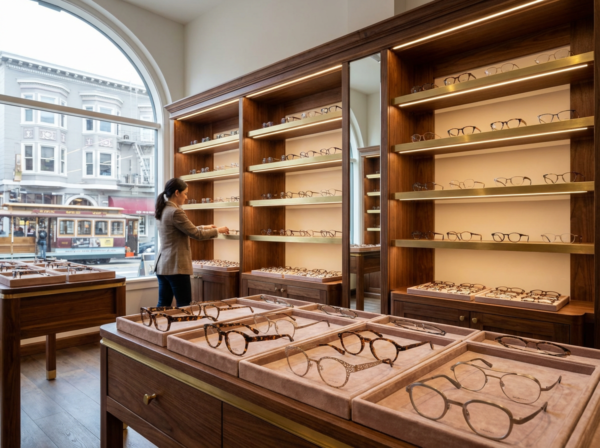
City Optix’s curated selection of independent and luxury eyewear brands reflects Dr. Rich’s understanding that glasses are both medical devices and fashion accessories. The collection includes frames you won’t find at chain stores—handcrafted European designs, limited-edition American brands, and innovative independent designers.
Expert guidance ensures you select frames that fit properly, complement your features, and deliver optical performance matching your prescription. These aren’t mass-produced fashion accessories; they’re precision optical instruments crafted to last for years while making you look and feel your best.
Serving San Francisco’s Most Distinctive Neighborhoods
City Optix’s location at 2154 Chestnut Street in the Marina District provides convenient access for residents throughout northern San Francisco. Marina families appreciate walking-distance eye care in their own neighborhood. Russian Hill patients enjoy the pleasant downhill walk to Chestnut Street, making eye exams an excuse to explore the Marina’s shops and restaurants.
Nob Hill professionals find City Optix easily accessible by car, with street parking and nearby lots making visits convenient despite San Francisco’s notorious parking challenges. This neighborhood location creates a community atmosphere impossible at mall-based chain stores or downtown medical buildings.
Dr. Rich isn’t just your optometrist—he’s your neighbor, someone you might see at Marina Green on weekends or at local community events. This connection to the neighborhood creates accountability and personal investment that corporate optometry simply cannot match.
When to Schedule Your Next Comprehensive Eye Exam
If you haven’t had a comprehensive eye exam in the past year (or two years if you’re under 40 with no risk factors), now is the time to schedule. Early detection of eye diseases dramatically improves treatment outcomes. Glaucoma caught early can be controlled with simple eye drops, while advanced glaucoma may require surgery despite poor prognosis.
Macular degeneration detected in early stages responds to treatments that slow progression, but late-stage disease offers limited options. Diabetic retinopathy identified before symptoms appear can be managed to prevent blindness, but untreated disease leads to irreversible vision loss.
Beyond disease detection, regular comprehensive exams ensure your vision correction remains optimized for your needs. Prescriptions change over time—sometimes improving, usually declining slightly. Many patients adapt to gradually worsening vision, not realizing how much clarity they’ve lost until Dr. Rich provides updated corrections. The improvement in quality of life can be transformative.
For San Francisco professionals whose careers depend on clear vision—designers, architects, programmers, financial analysts—keeping prescriptions current isn’t vanity, it’s practical necessity. The eyestrain, fatigue, and decreased productivity from working with outdated prescriptions cost far more in lost efficiency than the time and expense of regular eye exams.
Making Time for What Matters
San Francisco’s fast pace makes it easy to postpone non-urgent healthcare appointments. Eye exams get pushed back because you feel fine, you’re too busy, or you assume your vision hasn’t changed. But remember: most serious eye diseases develop silently, without symptoms, until they’ve caused significant damage.
By the time you notice vision problems from glaucoma or macular degeneration, permanent loss has already occurred. Comprehensive eye exams catch these diseases while they’re still manageable—making the hour you invest in your exam one of the most valuable health decisions you’ll make this year.
Experience Comprehensive Eye Care at City Optix
Ready to prioritize your vision health? Join the San Francisco families who have trusted Dr. Jeff Rich and City Optix for comprehensive eye care since 1988. Experience the difference that 37 years of Marina District expertise, modern diagnostic technology, and genuinely personalized attention makes for your vision and overall health.
Located at 2154 Chestnut Street in the heart of San Francisco’s Marina District, City Optix provides convenient access for residents of Marina, Russian Hill, Nob Hill, and surrounding neighborhoods. Dr. Rich welcomes new patients and looks forward to becoming your trusted partner in maintaining lifelong vision health.
Call City Optix today at (415) 921-1444 to schedule your comprehensive eye exam, or visit us at 2154 Chestnut Street, San Francisco, CA 94123. Your eyes deserve the best care San Francisco has to offer.
About the Author: Dr. Jeff Rich, OD, has provided comprehensive optometric care to San Francisco’s Marina District community since 1988. With over 37 years of experience, Dr. Rich specializes in comprehensive eye examinations, contact lens fitting, and luxury eyewear, combining clinical excellence with personalized patient care. His practice, City Optix, serves families throughout Marina, Russian Hill, Nob Hill, and northern San Francisco neighborhoods.
FAQ SECTION
Q: How often should I get a comprehensive eye exam in San Francisco?
A: Adults under 40 with no risk factors should have comprehensive eye exams every 2 years. Adults 40-64 need annual exams as age-related conditions become more common. Everyone over 65 requires annual comprehensive eye exams regardless of vision quality, since serious eye diseases often develop silently in this age group.
Q: What’s the difference between a vision screening and a comprehensive eye exam?
A: Vision screenings check only basic visual acuity—whether you can see clearly. Comprehensive eye exams at City Optix include medical evaluation of eye health, glaucoma screening, retinal imaging, and detection of eye diseases like macular degeneration, cataracts, and diabetic retinopathy—often before symptoms appear.
Q: How long does a comprehensive eye exam take at City Optix?
A: Dr. Rich schedules 45-60 minutes for comprehensive eye exams, ensuring adequate time for thorough evaluation, digital retinal imaging, discussion of findings, and answering your questions. Dilated exams may require additional time for drops to take effect.
Q: Does City Optix accept vision insurance for eye exams in the Marina District?
A: Yes, City Optix accepts most major vision insurance plans including VSP, EyeMed, and MES, plus medical insurance including Medicare when exams involve medical conditions. The team verifies your benefits before appointments and helps maximize coverage while explaining any costs beyond standard benefits.
Q: What should I bring to my eye exam appointment at City Optix?
A: Bring your current eyeglasses and contact lenses, vision insurance card, list of medications you take (including supplements), and any questions or concerns about your vision. If having a dilated exam, bring sunglasses and arrange transportation if needed.
Q: Can Dr. Rich fit specialty contact lenses for astigmatism or hard-to-fit eyes?
A: Yes, Dr. Rich has 37 years of expertise fitting specialty contact lenses including toric lenses for astigmatism, multifocal contacts for presbyopia, post-LASIK lenses, and custom designs for complex prescriptions. His extensive experience helps patients who’ve been told they “can’t wear contacts” find successful solutions.
Q: Why choose City Optix instead of a chain optical store in San Francisco?
A: City Optix provides continuity of care essential for early disease detection, with Dr. Rich knowing your eye history over years or decades. This longitudinal perspective catches subtle changes indicating developing problems that chain stores with rotating optometrists cannot detect. You’ll receive personalized prescriptions optimized for your lifestyle, not rushed exams focused on volume.
Q: What neighborhoods does City Optix serve in San Francisco?
A: City Optix serves residents throughout Marina District, Russian Hill, Nob Hill, Cow Hollow, Pacific Heights, and Presidio from its convenient Chestnut Street location. The practice is easily accessible by foot, car (with nearby parking), or MUNI lines including the 22 Fillmore and 30 Stockton.