

You’re sitting at your Marina District desk reviewing spreadsheets when text that was crisp yesterday suddenly looks fuzzy. Or you wake up in your Russian Hill apartment and notice your vision seems slightly off. Maybe you’re driving down Lombard Street and realize street signs aren’t as sharp as they used to be. Blurry vision is one of the most common reasons San Francisco professionals contact City Optix—and one of the most anxiety-inducing symptoms when you don’t know what’s causing it.
The challenge with blurry vision is that it can signal anything from a simple prescription change requiring new glasses to serious eye conditions demanding immediate attention. After 37 years of examining eyes in San Francisco’s Marina District, Dr. Jeff Rich has seen every variation—from patients panicking over normal age-related changes to those dismissing symptoms that actually warranted urgent care.
Understanding when blurry vision requires immediate action versus a routine appointment can save your sight, reduce anxiety, and ensure you get appropriate care at the right time. This guide breaks down the most common causes of blurry vision affecting San Francisco residents, warning signs that demand same-day evaluation, and how to know when you simply need updated glasses.
The Most Common Causes of Blurry Vision in San Francisco
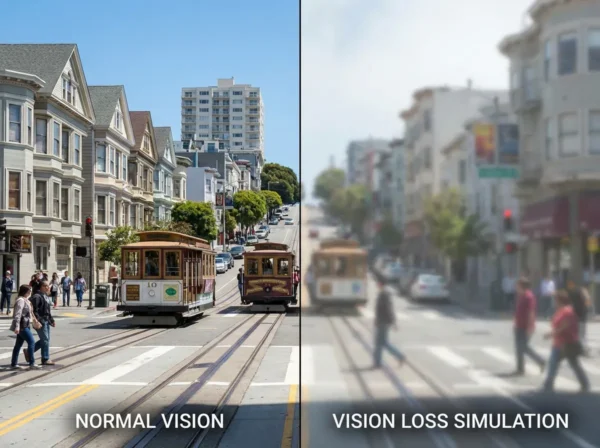
Blurry vision isn’t one condition—it’s a symptom with dozens of potential causes ranging from benign to serious. Dr. Rich categorizes the cases he sees at City Optix into several distinct patterns, each with characteristic features helping identify the underlying issue.
Natural Prescription Changes (Most Common)
Your eyes change throughout life, and prescription changes are the leading cause of gradually developing blurry vision. San Francisco professionals in their twenties and thirties often experience slowly increasing nearsightedness, especially those spending extensive time on screens. The close-up focus demanded by computers, phones, and tablets can accelerate myopia progression in ways previous generations never experienced.
Starting around age 40, presbyopia affects everyone—the natural hardening of your eye’s lens that makes close-up focusing increasingly difficult. You might notice you’re holding your phone farther away to read texts, or restaurant menus seem impossibly small in dim lighting. This isn’t disease; it’s normal aging that affects Nob Hill executives and Marina District baristas equally.
These prescription changes develop gradually over months or years. You adapt unconsciously, squinting more, moving closer to screens, or avoiding activities requiring sharp vision. Then one day you realize your vision isn’t as crisp as it used to be. The solution is simple: an updated prescription at City Optix restores the clarity you’ve been missing.
Digital Eye Strain and Computer Vision Syndrome
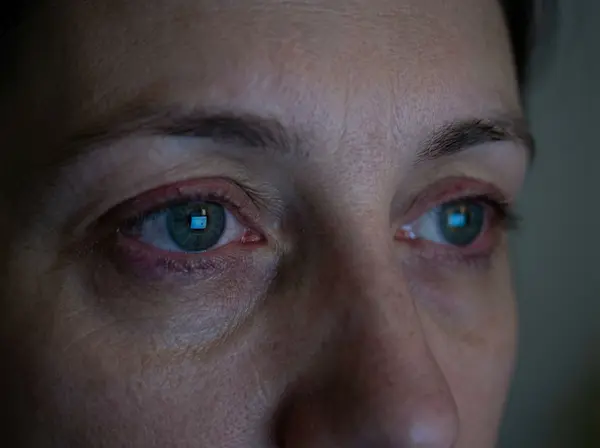
San Francisco’s tech-dominated economy means residents spend more time staring at screens than almost any other city. This sustained near work creates a specific type of vision problem Dr. Rich sees constantly: computer vision syndrome.
Your eyes aren’t designed for 8-12 hours of continuous close-up focus at consistent distances. The muscles controlling focus fatigue, causing vision to blur intermittently—especially late in workdays when you’ve been staring at screens since morning. You might notice blur that improves after resting your eyes, or vision that’s sharp in the morning but deteriorates by afternoon.
Russian Hill tech workers frequently report this pattern: clear vision in morning meetings, increasing blur as the day progresses, improvement after closing their eyes for a few minutes. This isn’t prescription change—it’s eye muscle fatigue from overwork. The solution often involves computer glasses optimized for screen distance, workplace ergonomic adjustments, and the 20-20-20 rule (every 20 minutes, look at something 20 feet away for 20 seconds).
Dry Eye Disease
San Francisco’s microclimates create ideal conditions for chronic dry eyes—air conditioning in summer, heating in winter, wind from the bay, and screens reducing blink rates. Dry eyes don’t just feel uncomfortable; they actually blur vision by disrupting the tear film coating your cornea.
Your tear film is your eye’s first optical surface. When it breaks down between blinks—whether from insufficient tears, poor tear quality, or excessive evaporation—your vision blurs intermittently. You might experience clear vision immediately after blinking, then progressive blur until the next blink. Reading becomes difficult because sustained focus reduces blinking, allowing tear film to deteriorate.
Marina District professionals often describe this as “fluctuating” vision that improves with blinking or artificial tears. Dr. Rich can diagnose dry eye during comprehensive examinations, evaluating tear quality and recommending treatments from prescription medications to specialty contact lenses designed for dry eye patients.
Uncorrected Astigmatism
Astigmatism—irregular corneal curvature causing uneven focusing—creates distinctive blur patterns. Instead of everything appearing uniformly fuzzy like with nearsightedness, astigmatism causes specific directional blur. Letters might have “shadows” or appear doubled, straight lines seem slightly curved, and you might notice worse blur at certain angles.
Many San Francisco residents have mild uncorrected astigmatism they’ve adapted to for years. But as astigmatism progresses or other prescription changes occur, compensation becomes impossible. Suddenly you’re struggling with blur that simple nearsighted or farsighted corrections don’t solve. Proper astigmatism correction—whether in glasses or toric contact lenses—immediately eliminates this distinctive blur pattern.
7 Warning Signs Your Blurry Vision Needs Immediate Attention

Most blurry vision represents routine prescription changes or benign conditions. But certain patterns indicate serious problems requiring same-day evaluation at City Optix or emergency care. Dr. Rich emphasizes these warning signs warrant immediate professional assessment:
1. Sudden Vision Loss or Dramatic Blur
Vision that changes suddenly—over minutes, hours, or a single day—demands urgent evaluation. Gradual changes over weeks or months usually indicate prescription changes. But sudden blur suggests acute problems: retinal detachment, stroke affecting visual pathways, optic nerve inflammation, or bleeding inside the eye.
Dr. Rich recalls a Nob Hill patient who called about sudden blur in one eye that morning. Immediate examination revealed retinal detachment requiring emergency surgery that saved her vision. Had she waited days assuming it would resolve, permanent vision loss would have resulted. When vision changes suddenly, err on the side of caution and call immediately.
2. Blur Accompanied by Eye Pain
Blurry vision plus pain indicates inflammation, infection, acute glaucoma, or corneal problems—all requiring prompt treatment. Normal prescription changes don’t hurt. Computer vision syndrome causes tiredness but not sharp pain. Pain signals something more serious affecting eye structures in ways that can cause permanent damage if untreated.
Acute angle-closure glaucoma—a sight-threatening emergency—causes severe blur, intense eye pain, halos around lights, nausea, and rock-hard eye pressure. This requires immediate emergency care, often within hours, to prevent permanent vision loss. Dr. Rich maintains relationships with Bay Area ophthalmologists for seamless emergency referrals when patients need surgical intervention.
3. Flashes of Light or Sudden Increase in Floaters
New flashes resembling lightning bolts in your peripheral vision, or sudden showers of floaters (especially accompanied by blur), can indicate retinal tears or detachment. Your retina—the light-sensitive tissue lining your eye’s interior—can develop tears that lead to detachment if untreated.
Marina District professionals sometimes attribute flashes to screen glare or floaters to “just seeing things.” But new flashes or sudden floater increases warrant same-day examination. Dr. Rich can evaluate retinal health and determine if specialist referral is necessary. Early treatment of retinal tears prevents progression to detachment requiring complex surgery.
4. Blur After Eye Trauma or Injury
If blurry vision follows any eye injury—getting poked, hit by an object, chemical splash, or head trauma—seek immediate evaluation regardless of how minor the incident seemed. Eye injuries can cause internal bleeding, retinal damage, or lens dislocation invisible externally but threatening your vision.
San Francisco’s active lifestyle means Dr. Rich frequently sees sports-related eye injuries, home improvement accidents, or workplace incidents. Even if your eye looks normal, internal damage may have occurred. Don’t assume you’re fine because you can still see; have Dr. Rich evaluate any injury-related vision changes promptly.
5. Vision Changes with Headaches, Nausea, or Neurological Symptoms
Blurry vision accompanied by severe headaches, nausea, numbness, weakness, difficulty speaking, or balance problems can indicate neurological issues like stroke, brain tumors, or increased intracranial pressure. While most headaches with blur simply reflect eye strain or migraines, certain patterns warrant urgent medical evaluation.
Dr. Rich examines your pupils, eye movements, and visual fields as part of comprehensive assessments. Abnormalities in these areas sometimes reveal neurological problems requiring immediate imaging and medical intervention. He coordinates with San Francisco neurologists when examinations suggest issues beyond eye health.
6. Progressive Blur That Worsens Daily
While gradual blur over months typically represents prescription changes, blur that worsens noticeably day by day suggests active disease processes—infections, inflammation, or rapidly progressing conditions. This differs from the subtle changes over months characteristic of normal prescription evolution.
If you notice your vision deteriorating daily rather than slowly over extended periods, schedule examination promptly. Dr. Rich can determine if you’re experiencing normal changes compressed into shorter timeframes or actual disease requiring treatment.
7. Blur Affecting Only One Eye
Vision changes affecting just one eye raise more concern than symmetric bilateral changes. Normal prescription changes typically affect both eyes, though not necessarily equally. But blur exclusively in one eye can indicate problems specific to that eye—retinal issues, optic nerve disease, or localized infections.
Russian Hill patients sometimes delay evaluation assuming one-eye blur isn’t serious. But conditions like optic neuritis (optic nerve inflammation), retinal vein occlusion (blocked blood vessels), or early macular degeneration often affect one eye first. Early diagnosis significantly improves treatment outcomes for these conditions.
When Blurry Vision Simply Means You Need New Glasses
Not all blur requires emergency care. Most cases Dr. Rich evaluates at City Optix represent routine prescription changes—normal, expected, and easily corrected. Here are patterns suggesting your blur simply means it’s time for updated glasses:
Gradual Development Over Months: If your vision has slowly declined over six months to two years, you’re likely experiencing normal prescription changes rather than disease. You’ve probably been adapting unconsciously—sitting closer to TVs, increasing screen brightness, squinting more—until one day you realize your vision isn’t as sharp as it used to be.
Both Eyes Affected Similarly: When both eyes experience comparable blur rather than one eye being dramatically worse, prescription changes are more likely than disease. Eye diseases often begin unilaterally or affect eyes differently, while prescription evolution tends toward bilateral changes.
Improvement with Squinting: If blur improves when you squint, you almost certainly need prescription updates. Squinting reduces the aperture of light entering your eye, creating a pinhole effect that temporarily improves focus regardless of prescription. This indicates optical rather than medical problems.
No Other Symptoms: Blur without pain, flashes, floaters, headaches, or other symptoms usually represents benign prescription changes. Disease processes typically cause additional symptoms beyond simple blur—discomfort, distorted vision, blind spots, or color changes. Pure blur without accompanying symptoms suggests straightforward refractive error.
Age-Appropriate Patterns: If you’re in your early forties and struggling with close-up vision while distance remains clear, you’re experiencing presbyopia—universal, expected, and requiring reading glasses or progressive lenses. If you’re a twenty-something tech worker whose distance vision has slowly declined, increasing myopia from screen time is the likely culprit.
How San Francisco’s Environment Affects Your Vision

Living in San Francisco creates unique vision challenges Dr. Rich considers when evaluating blur complaints. The city’s distinctive characteristics impact eye health in ways affecting vision clarity:
The Fog Factor
San Francisco’s famous fog doesn’t just reduce visibility of the Golden Gate Bridge—it affects your eyes directly. High humidity fluctuations as you move from fog-shrouded Marina areas to sunny Nob Hill interiors cause tear film instability. Your eyes constantly adjust to changing moisture levels, potentially causing intermittent blur that patients attribute to vision problems when actually it’s environmental adaptation.
Dr. Rich often asks patients where they experience worst blur. If it’s primarily outdoors in foggy conditions or immediately after transitioning between environments, environmental factors may be exacerbating underlying dry eye issues rather than prescription changes causing the blur.
Screen Saturation and Tech Culture
No city’s workforce spends more time on screens than San Francisco’s. Tech professionals, financial analysts, designers, and creative workers spend 10-14 hours daily staring at various screens—computer monitors, tablets, phones. This sustained near work creates accommodation stress (focusing muscle fatigue) and reduced blink rates leading to dry eyes.
Russian Hill and Marina District professionals often report blur that’s worst after long workdays, improves on weekends, and correlates with project deadlines demanding extended screen time. This pattern suggests computer vision syndrome rather than stable refractive errors. Dr. Rich’s solutions often involve workplace ergonomics, computer-specific glasses, and work habit modifications as much as prescription changes.
The Commute Factor
San Francisco drivers face challenging visual demands—steep hills requiring precise depth perception, dense traffic demanding sharp peripheral vision, and dramatic lighting changes from shadowy valleys to bright hilltops. Many patients notice blur primarily while driving, leading them to schedule appointments.
Dr. Rich specifically tests distance vision and contrast sensitivity when patients report driving-related blur. Sometimes prescriptions that work fine for desk work prove inadequate for driving’s demanding visual requirements. Prescription sunglasses optimized for California’s intense light also help many San Francisco drivers experiencing blur they attributed to vision problems when actually it was uncontrolled glare.
The Role of Age in Understanding Your Blurry Vision
Your age significantly influences likely causes of blur and appropriate treatment approaches. Dr. Rich’s evaluation strategy varies based on whether you’re in your twenties, forties, or sixties:
Twenties and Thirties: The Screen Generation
Young San Francisco professionals typically experience increasing nearsightedness from prolonged near work, computer vision syndrome from screen saturation, or the first emergence of previously undiagnosed refractive errors. Blur in this age group rarely indicates serious disease but often reflects lifestyle impacts on vision.
Dr. Rich sees Marina District twenty-somethings who were 20/20 through college now requiring glasses for distance after several years of tech work. This progression isn’t disease—it’s environmental adaptation. The visual system responds to sustained near focus by elongating the eye slightly, creating mild myopia that corrects easily with glasses or contact lenses.
Forties and Fifties: The Presbyopia Transition
Everyone entering their forties experiences presbyopia—the hardening of the eye’s lens that makes close-up focusing increasingly difficult. This affects San Francisco executives reading contracts, designers reviewing detailed work, and anyone trying to read phone screens in restaurants.
The blur pattern is distinctive: clear distance vision but struggling with near tasks, especially in dim lighting. You might notice holding reading material farther away, experiencing eyestrain during close work, or avoiding detailed near tasks in the evenings. Dr. Rich fits progressive lenses, bifocals, or reading glasses depending on your visual demands and lifestyle preferences.
This age group also experiences the first emergence of age-related eye diseases—early cataracts, glaucoma, or macular degeneration. While most blur still represents benign prescription changes, Dr. Rich’s comprehensive examinations include disease screening ensuring nothing serious is causing your symptoms.
Sixties and Beyond: Increased Disease Risk
Blur in patients over sixty requires thorough evaluation ruling out age-related eye diseases. Cataracts—clouding of the eye’s natural lens—develop in most people over sixty-five, causing gradually increasing blur that prescription changes don’t fully correct. The solution is surgical lens replacement, though early cataracts may not yet warrant surgery.
Macular degeneration, glaucoma, and diabetic retinopathy also become more common in this age group. Dr. Rich’s examinations include retinal imaging, glaucoma screening, and careful evaluation of how you describe your blur. Macular degeneration typically affects central vision first, causing difficulty reading while peripheral vision remains intact. Glaucoma affects peripheral vision initially, creating tunnel vision while central clarity persists.
Nob Hill retirees sometimes delay evaluation assuming blur is “just getting older.” While age-related changes are expected, they require professional assessment distinguishing normal aging from treatable diseases. The earlier conditions are detected, the better the outcomes from treatment.
What to Expect During Your Blurry Vision Evaluation at City Optix
When you schedule an appointment at City Optix for blurry vision, Dr. Rich follows a systematic evaluation determining the cause and appropriate treatment:
Detailed History Discussion
Your appointment begins with conversation about your symptoms. Dr. Rich asks specific questions helping narrow potential causes: When did blur start? Is it constant or intermittent? Does it affect one eye or both? Does it improve with blinking or squinting? What makes it better or worse? Are there accompanying symptoms?
This history provides crucial diagnostic information. Answers like “blur started gradually over the past year” suggest different causes than “vision suddenly blurred yesterday morning.” “I only notice blur after several hours on the computer” points toward different solutions than “my vision is consistently blurry all day regardless of activity.”
Dr. Rich also asks about your occupation, hobbies, screen time, general health, medications, and family history of eye disease. This context helps interpret your symptoms within your specific life circumstances. A Marina District programmer’s blur likely has different causes than a Nob Hill retiree’s vision changes, even if the symptoms sound similar.
Comprehensive Vision Testing
Dr. Rich tests your vision at multiple distances using various methods. Standard distance acuity (reading the eye chart) reveals how clearly you see across the room. Near vision testing evaluates close-up clarity for reading and detailed work. Intermediate distance testing assesses computer-distance vision.
Refraction—determining your precise prescription—uses advanced digital technology measuring how light focuses through your eyes. This reveals whether prescription changes explain your blur or if issues beyond refractive error are involved. Dr. Rich compares your current prescription to what testing shows you need, quantifying any changes.
He also evaluates binocular vision—how well your eyes work together as a team. Misalignment or coordination problems can cause blur that prescription alone doesn’t solve. Testing eye teaming, focusing flexibility, and depth perception reveals whether vision therapy or specialized lenses might help beyond standard prescriptions.
Eye Health Examination
External examination evaluates your eyelids, cornea, and tear film for signs of dry eye, infections, or inflammation. The slit lamp biomicroscope provides magnified views of eye structures, detecting problems invisible otherwise.
Digital retinal imaging documents your retina, optic nerve, and blood vessels—creating permanent records for future comparison. This technology enables Dr. Rich to spot subtle changes indicating glaucoma, macular degeneration, or diabetic changes years before symptoms appear.
Dilated examination—using drops that widen pupils—allows thorough evaluation of internal eye structures. While dilation makes reading difficult for several hours, it’s essential for comprehensive assessment of retinal health, particularly when investigating unexplained blur.
Glaucoma screening measures eye pressure and evaluates optic nerve appearance. Visual field testing maps your complete peripheral and central vision, detecting blind spots or patterns suggesting specific diseases.
Diagnosis and Treatment Planning
After completing examinations, Dr. Rich explains findings in understandable terms. If simple prescription changes explain your blur, he discusses eyewear options—glasses, contact lenses, or both—optimized for your visual needs and lifestyle.
When examinations reveal conditions beyond refractive error—dry eye disease, cataracts, glaucoma concerns—he explains what he’s observed, what it means, and recommended next steps. This might involve prescription medications, specialty lenses, lifestyle modifications, or ophthalmology referrals for conditions requiring surgical intervention.
Dr. Rich’s 37 years of experience means he recognizes patterns, distinguishes serious from benign findings, and provides perspective about what warrants concern versus what simply requires monitoring. This guidance helps San Francisco professionals make informed decisions about their eye care without unnecessary anxiety or, conversely, dangerous complacency.
5 Lifestyle Factors Contributing to Blurry Vision in San Francisco

Beyond medical causes, lifestyle factors significantly impact vision clarity. Dr. Rich identifies these common contributors affecting Marina District, Russian Hill, and Nob Hill residents:
1. Inadequate Sleep and Eye Fatigue
San Francisco’s demanding work culture often means insufficient sleep. When you’re tired, so are your eyes. The muscles controlling focus weaken with fatigue, causing intermittent blur, especially during sustained visual tasks. Chronic sleep deprivation also reduces tear production, exacerbating dry eye symptoms that blur vision.
Many patients report worse blur on Monday mornings after weekend late nights or during high-stress work periods involving long hours and little sleep. The solution isn’t always optical—sometimes it’s lifestyle adjustment ensuring adequate rest for optimal visual performance.
2. Dehydration and Poor Nutrition
Your tear film requires adequate hydration to function properly. San Francisco professionals caught up in busy workdays often drink insufficient water, leading to tear film instability and intermittent blur. Nutritional deficiencies—particularly omega-3 fatty acids essential for tear quality—also compromise vision clarity.
Dr. Rich often recommends increasing water intake and omega-3 supplementation alongside optical corrections. These simple lifestyle modifications sometimes dramatically improve blur that patients assumed required complex medical intervention.
3. Contact Lens Overwear
Marina District contact lens wearers sometimes push wear schedules too far—wearing daily lenses multiple days, sleeping in lenses not approved for overnight wear, or wearing monthly lenses beyond replacement dates. This creates corneal oxygen deprivation, deposits on lenses, and inflammation—all causing progressive blur.
When Dr. Rich evaluates contact lens wearers with blur, he asks detailed questions about wearing habits. Often, simply returning to proper replacement schedules or switching to daily disposables eliminates blur that seemed mysterious but actually resulted from lens-related corneal stress.
4. Medication Side Effects
Many common medications affect vision. Antihistamines reduce tear production, causing dry eye blur. Blood pressure medications can alter focusing ability. Certain antidepressants and anxiety medications affect accommodation. Even nutritional supplements like high-dose niacin can cause temporary vision changes.
Russian Hill professionals often take multiple medications without realizing their vision effects. Dr. Rich reviews medication lists during examinations, identifying potential contributors to blur. Sometimes, coordinating with physicians to adjust medications or timing eliminates vision symptoms that seemed unrelated to prescriptions you take.
5. Uncorrected Workplace Ergonomics
How you position computer screens, lighting conditions in your workspace, and your sitting posture all impact vision clarity. Screens positioned too high or low create unnatural viewing angles stressing focusing muscles. Insufficient lighting or excessive glare forces your visual system to work harder, creating fatigue and blur.
Dr. Rich provides specific ergonomic recommendations for Nob Hill executives and Marina District remote workers based on their particular work setups. Simple adjustments—monitor height, task lighting, screen distance—sometimes eliminate blur that patients assumed required prescription changes.
Taking Action: When to Call City Optix
Navigating when your blurry vision requires professional evaluation versus waiting to see if it resolves can be confusing. Dr. Rich recommends this decision framework:
Call Immediately (Same-Day Appointment) If:
-
- Vision changed suddenly (within hours or days)
-
- Blur accompanied by pain, flashes, or floater showers
-
- Only one eye is affected
-
- You experienced recent eye injury or trauma
-
- Blur includes distortion, blind spots, or color changes
-
- You have diabetes, high blood pressure, or immune system conditions
Schedule Soon (Within 1-2 Weeks) If:
-
- Blur has developed gradually over recent months
-
- You’re struggling with tasks that were previously easy
-
- Squinting helps but you’re doing it constantly
-
- You’re over forty and struggling with close-up tasks
-
- Your current glasses aren’t providing clear vision anymore
-
- You experience eyestrain, headaches, or fatigue with visual tasks
Monitor and Schedule Routine Exam If:
-
- Blur is very mild and doesn’t affect daily activities
-
- You’re due for routine examination anyway (annual or biennial)
-
- Blur seems related to specific tired or stressed periods
-
- You have new glasses but want to ensure prescription is optimal
When in doubt, err toward calling. Dr. Rich would rather reassure you that blur is benign than have you delay while a serious condition progresses. City Optix schedules same-day appointments for urgent concerns, ensuring you receive timely evaluation when vision changes warrant immediate attention.
The Long-Term Approach to Preventing Vision Problems
While you can’t prevent all causes of blurry vision, proactive strategies protect your eyes and catch problems early:
Regular comprehensive eye examinations remain your best defense against vision-threatening conditions. Adults under forty should have exams every two years, those forty to sixty-four need annual checkups, and everyone over sixty-five requires annual comprehensive evaluations. These appointments detect problems years before symptoms appear, when treatment is most effective.
Manage systemic health conditions affecting eyes—controlling diabetes, maintaining healthy blood pressure, and managing cholesterol protects retinal blood vessels and optic nerve health. Dr. Rich coordinates with physicians when examinations reveal eye changes indicating systemic health concerns.
Protect your eyes from UV exposure with quality sunglasses whenever outdoors. California sun is intense, and cumulative UV exposure increases risk of cataracts and macular degeneration. Prescription sunglasses from City Optix provide both visual correction and UV protection.
Follow the 20-20-20 rule during extended screen time. Every twenty minutes, look at something twenty feet away for twenty seconds. This simple habit reduces accommodation stress and encourages blinking, preventing computer vision syndrome and dry eye symptoms.
Stay hydrated, maintain balanced nutrition with adequate omega-3s, and prioritize sufficient sleep. These foundational health practices support optimal vision clarity alongside any optical corrections you need.
Experience Expert Evaluation at City Optix
Experiencing blurry vision creates understandable concern. Is it serious? Do you just need new glasses? Should you worry? Dr. Jeff Rich’s 37 years examining San Francisco eyes means he quickly distinguishes routine changes from conditions requiring urgent attention—providing peace of mind alongside expert care.
Located at 2154 Chestnut Street in San Francisco’s Marina District, City Optix offers convenient access for Marina, Russian Hill, and Nob Hill residents experiencing vision changes. Whether your blur represents simple prescription updates or something requiring deeper investigation, Dr. Rich provides thorough evaluation, clear explanations, and personalized solutions restoring visual clarity.
Don’t struggle with unclear vision or worry about what’s causing your blur. Call City Optix at (415) 921-1444 to schedule your comprehensive eye examination, or visit us at 2154 Chestnut Street, San Francisco, CA 94123. Dr. Rich will determine exactly what’s causing your blurry vision and provide the solution you need.
About the Author: Dr. Jeff Rich, OD, has evaluated thousands of San Francisco patients experiencing blurry vision since establishing City Optix in 1988. With over 37 years distinguishing routine prescription changes from serious eye conditions, Dr. Rich provides expert diagnosis and personalized treatment ensuring every patient achieves optimal vision clarity. His Marina District practice serves families throughout northern San Francisco with comprehensive eye care combining clinical excellence and genuine personal attention.
FAQ SECTION
Q: When should I worry about blurry vision?
A: Seek same-day evaluation if blur appears suddenly (within hours or days), affects only one eye, comes with pain or flashes of light, or follows eye injury. These patterns can indicate serious conditions requiring immediate treatment. Gradual blur developing over months typically represents prescription changes requiring routine appointments at City Optix rather than emergencies.
Q: Can blurry vision go away on its own?
A: Temporary blur from eye fatigue, mild dry eyes, or transient accommodation stress may resolve with rest and eye care. However, blur from prescription changes, eye diseases, or structural problems won’t resolve without treatment. If blur persists beyond a few days or worsens progressively, schedule examination with Dr. Rich rather than hoping it resolves independently.
Q: Why is my vision blurry when I wake up in San Francisco?
A: Morning blur typically results from overnight tear film changes, mucus accumulation, dry eyes from reduced nighttime tear production, or contact lenses worn overnight. Morning blur that clears within minutes is usually benign. If blur persists after waking or worsens progressively, schedule evaluation at City Optix to determine the underlying cause.
Q: How do I know if I need new glasses or if something is wrong with my eyes?
A: Blur that improves with squinting, develops gradually over months, affects both eyes similarly, and has no other symptoms typically indicates simple prescription changes. Blur with pain, sudden onset, one-eye involvement, flashes, or floaters suggests problems beyond refractive error requiring comprehensive examination. Dr. Rich can definitively determine whether new glasses solve your blur or if medical conditions require treatment.
Q: What causes sudden blurry vision in one eye in San Francisco?
A: Sudden one-eye blur can indicate retinal detachment, optic nerve inflammation, retinal vein occlusion, or other serious conditions requiring urgent evaluation. Unlike gradual bilateral prescription changes, sudden one-sided blur warrants same-day examination. Call City Optix immediately at (415) 921-1444 for urgent appointment scheduling when experiencing sudden one-eye vision changes.
Q: Can stress cause blurry vision?
A: Stress affects vision through multiple mechanisms—increasing eye muscle tension, reducing blink rates leading to dry eyes, causing accommodation spasms, and triggering headaches affecting vision. While stress itself doesn’t damage eyes, it exacerbates underlying conditions and creates temporary blur. Chronic stress-related blur should prompt comprehensive examination ensuring no underlying medical issues are present.
Q: Is blurry vision normal after staring at screens all day in San Francisco?
A: Yes, computer vision syndrome causes temporary blur after extended screen time—common among San Francisco’s tech workforce. The blur typically improves after resting your eyes and represents focusing muscle fatigue rather than permanent damage. However, if blur persists despite rest or worsens progressively, schedule examination with Dr. Rich. Computer-specific glasses often eliminate work-related blur entirely.
Q: Does City Optix offer same-day appointments for urgent vision problems in Marina District?
A: Yes, City Optix prioritizes same-day appointments for urgent vision concerns including sudden blur, eye pain, flashes, floaters, or trauma-related vision changes. Dr. Rich understands vision emergencies cannot wait and ensures patients experiencing concerning symptoms receive prompt evaluation. Call (415) 921-1444 immediately when urgent vision problems develop.