
Walking along the Marina waterfront on a brilliant San Francisco afternoon, you squint against the sun’s glare bouncing off the bay. You reach for your sunglasses—but are they actually protecting your eyes, or just making things look darker? The distinction matters more than most people realize, especially in a city where microclimates create dramatic UV exposure variations throughout your day.
Prescription sunglasses represent one of the most important investments you can make in long-term eye health, yet they’re often treated as an afterthought or fashion accessory rather than essential medical equipment. The reality? UV radiation damages your eyes cumulatively over decades, contributing to cataracts, macular degeneration, and even eye cancers that threaten vision and quality of life.
At City Optix in San Francisco’s Marina District, Dr. Jeff Rich has guided thousands of patients toward sun eyewear that protects their eyes while complementing their lifestyles since 1988. His curated collection of luxury prescription sunglasses combines medical-grade UV protection with European and American designer frames that make wearing proper eye protection effortless and stylish.
This comprehensive guide reveals everything San Francisco residents need to know about prescription sunglasses—from understanding UV damage mechanisms to selecting lenses and frames that protect your vision for decades to come.
Understanding UV Radiation and Eye Damage
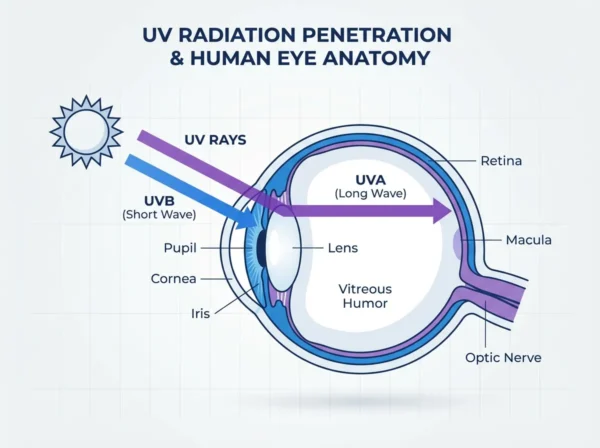
Ultraviolet radiation exists invisibly all around us, divided into three categories based on wavelength: UVA (315-400 nanometers), UVB (280-315 nanometers), and UVC (100-280 nanometers). Earth’s atmosphere blocks UVC entirely, but UVA and UVB reach ground level, where they interact with your eyes in ways that cause cumulative, irreversible damage.
UVA penetrates deep into the eye, reaching the retina and contributing to macular degeneration—the leading cause of vision loss in Americans over 60. UVB affects the eye’s surface structures, damaging corneas and contributing to cataract formation. Both types accelerate aging of delicate eye tissues, and the damage accumulates silently over decades before symptoms appear.
The World Health Organization estimates that up to 20% of cataract cases are caused or made worse by UV exposure World Health Organization. Think of it like sunburns: one day at the beach won’t blind you, but decades of unprotected exposure guarantee problems. Marina District runners, Russian Hill hikers, and Nob Hill golfers accumulate enormous UV exposure over lifetimes of outdoor activity—often without realizing the risk.
San Francisco’s Unique UV Challenge

San Francisco’s famous fog creates a dangerous misconception: cloudy days don’t require sun protection. Wrong. Up to 80% of UV radiation penetrates clouds, meaning your eyes face damage even on overcast mornings in the Sunset or Richmond districts American Academy of Ophthalmology.
The bay’s reflective surfaces intensify exposure. Water reflects up to 100% of UV rays back toward your eyes, while sand reflects about 15%. Marina residents jogging along Crissy Field or sailing the bay experience UV bombardment from above and below simultaneously—doubling their exposure compared to inland environments.
Altitude matters too. Every 1,000 feet of elevation increases UV exposure by 10-12%. Day trips to Tahoe, Marin Headlands hikes, or Mount Tamalpais adventures expose your eyes to significantly higher radiation levels than city streets. Without proper protection, these outdoor activities accelerate eye damage while you enjoy California’s natural beauty.
The Cumulative Cost of Unprotected Sun Exposure
UV damage operates like a retirement account in reverse—small daily exposures compound over decades into serious medical problems:
Cataracts: The lens inside your eye gradually becomes cloudy and opaque, requiring surgical replacement. UV exposure significantly accelerates this aging process. By age 80, over half of Americans have cataracts, with sun exposure playing a major causative role.
Macular Degeneration: The retina’s central region deteriorates, destroying sharp, central vision needed for reading, driving, and recognizing faces. Once vision is lost, it cannot be restored. UV protection throughout life significantly reduces risk.
Pterygium (Surfer’s Eye): A benign growth of tissue over the white of your eye, often extending onto the cornea. Common among people with extensive sun exposure, it can distort vision and require surgical removal. Russian Hill residents who enjoy Bay Area beaches see this condition frequently.
Photokeratitis (Sunburn of the Eye): Acute UV overexposure causes painful inflammation similar to corneal abrasion. Snow blindness represents an extreme example, but even marina activities on bright days can cause milder versions causing discomfort and light sensitivity.
Skin Cancer Around Eyes: The eyelid area is prone to skin cancers including melanoma. Sunglasses providing good coverage protect this delicate skin along with your eyes themselves.
Retinal Damage: Direct retinal exposure to UV and high-energy visible light contributes to oxidative stress and cellular damage that accumulates over time, potentially contributing to various retinal diseases Journal of Ophthalmology Research.
Dr. Rich examines eyes daily that show UV damage—often in patients surprised to learn their outdoor lifestyle has already affected their eye health. The good news? Starting UV protection today prevents additional damage and preserves vision you still have.
Prescription Sunglasses vs. Regular Sunglasses: Why the Prescription Matters
Many people wear non-prescription sunglasses over contact lenses or squint through regular frames when outdoors. Both approaches compromise either vision quality or eye protection—sometimes both.
Prescription sunglasses provide your exact optical correction in sun-protective lenses, offering several crucial advantages:
Optimal Visual Acuity: You see as clearly outdoors as you do indoors with regular glasses. This matters enormously for driving, sports, and safety. Marina District cyclists navigating Embarcadero traffic need perfect distance vision, not the compromised acuity of contact lenses causing dry eye discomfort in wind and sun.
No Contact Lens Issues: San Francisco’s wind, low humidity, and outdoor activities create challenging conditions for contact lenses. Prescription sunglasses eliminate dry eye discomfort, wind-induced irritation, and the risk of lens displacement during activities.
Complete UV Protection: Prescription sunglasses from City Optix include medical-grade UV400 protection blocking 100% of UVA and UVB radiation. Cheap sunglasses often provide inadequate protection while darkening your view—actually causing your pupils to dilate and admit more harmful UV radiation than wearing nothing at all.
Peripheral Protection: Large frames with proper wrap provide coverage from direct and peripheral UV sources. This proves essential near water, where reflected radiation attacks from multiple angles.
Convenience: One pair handles both vision correction and sun protection. No juggling regular glasses and clip-ons, no remembering to bring contacts for outdoor activities, no compromises.
For Nob Hill executives attending outdoor charity events or Russian Hill families enjoying weekend Marin adventures, prescription sunglasses provide effortless protection and perfect vision without the hassle of managing multiple eyewear systems.
7 Essential Features of Quality Prescription Sunglasses
Not all prescription sunglasses provide equal protection or performance. Dr. Rich recommends evaluating these seven critical features:
1. UV400 Protection (100% UVA/UVB Blocking)
This represents the minimum acceptable standard. UV400 means the lenses block all UV radiation up to 400 nanometers wavelength—covering both UVA and UVB completely. Labels saying “UV protection” without specifying UV400 or 100% may provide inadequate protection.
All prescription sunglasses at City Optix meet UV400 standards as a baseline requirement. Dr. Rich refuses to carry sun eyewear that doesn’t provide complete protection—no exceptions, regardless of fashion credentials.
2. Polarization (Glare Elimination)
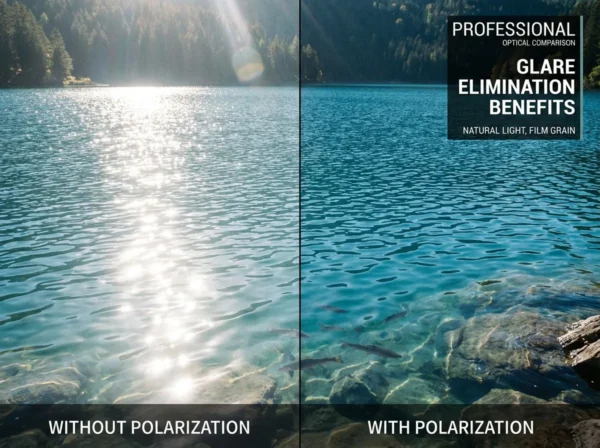
Polarized lenses contain a special filter blocking horizontally reflected light—the glare bouncing off water, car hoods, and pavement. For Marina District residents near the bay, polarization transforms outdoor vision by eliminating the harsh reflections that cause squinting and eye fatigue.
Polarization benefits include:
-
- Dramatically reduced glare from water and reflective surfaces
-
- Enhanced contrast and visual clarity
-
- Reduced eye strain and fatigue
-
- Improved vision for driving in bright conditions
-
- Better depth perception by eliminating surface glare
Not everyone needs polarization (pilots and some athletes avoid it due to instrument panel visibility issues), but for most Bay Area lifestyles, it’s transformative.
3. Lens Color and Tint Optimization
Lens color isn’t just cosmetic—different tints enhance specific activities:
Gray: The most natural color perception, reducing brightness without distorting colors. Ideal for driving, general outdoor use, and bright sun conditions. The go-to choice for Nob Hill professionals seeking versatility.
Brown/Amber: Enhances contrast and depth perception, particularly in variable light conditions. Excellent for sports, hiking, and activities requiring sharp vision. Popular with Russian Hill outdoor enthusiasts.
Green: Preserves color accuracy while reducing glare and brightening shadows. A middle ground between gray and brown, suitable for golf and baseball.
Yellow/Orange: Maximizes contrast in low-light or overcast conditions. Popular for skiing, shooting sports, and dawn/dusk activities. Less suitable for bright sun.
Mirror Coatings: Reflective coatings on lens surfaces provide additional glare reduction in extremely bright conditions like snow or water activities. Available in various colors for fashion and function.
Dr. Rich discusses your primary outdoor activities before recommending lens colors, ensuring your prescription sunglasses optimize vision for your actual lifestyle rather than generic recommendations.
4. Lens Material and Impact Resistance
Polycarbonate: Impact-resistant and lightweight, offering built-in UV protection. Excellent for active lifestyles, sports, and children’s eyewear. Marina District parents appreciate polycarbonate’s durability for kids’ prescription sunglasses.
Trivex: Similar impact resistance to polycarbonate with superior optical clarity. Slightly lighter with better scratch resistance. Premium option for discerning patients.
High-Index Plastic: For strong prescriptions requiring thinner, lighter lenses. Available with UV coatings for sun protection without excessive weight.
Glass: Superior optical quality but heavier and less impact-resistant. Rarely used for prescription sunglasses unless optical perfection is paramount and lifestyle allows heavier frames.
City Optix’s collection includes frames specifically designed for each lens material, ensuring optimal performance, comfort, and aesthetics regardless of your prescription.
5. Frame Size and Coverage
Proper frame geometry provides more than style—it determines how much UV radiation reaches your eyes from peripheral angles. Larger lenses with moderate wrap block more light, particularly important near reflective surfaces.
Wraparound Styles: Maximum coverage from all angles, ideal for water sports, cycling, and high-UV environments. Some wraparound frames accommodate limited prescription ranges due to lens curvature requirements.
Oversized Fashion Frames: Excellent coverage while maintaining sophisticated aesthetics. European designers in City Optix’s collection offer dramatic sizes that protect eyes completely while making fashion statements.
Classic Aviators: Originally designed for pilots requiring superior peripheral protection. Teardrop shapes cover more eye area than many contemporary styles.
Sport Frames: Purpose-built for active lifestyles with secure fit, ventilation, and maximum coverage. Dr. Rich helps Marina District athletes select sport prescriptions that won’t compromise during cycling, running, or sailing.
6. Photochromic Technology (Transition Lenses)
Photochromic lenses darken automatically in sunlight, providing one solution for both indoor and outdoor vision. Modern versions like Transitions® activate quickly and reach deeper tints than earlier generations.
Advantages:
-
- Convenience of one pair for all conditions
-
- Automatic protection when stepping outside
-
- No need to carry separate sunglasses
-
- Excellent for people who transition frequently between environments
Limitations:
-
- Don’t darken inside cars (windshields block UV that triggers darkening)
-
- May not get as dark as dedicated sunglasses in extreme conditions
-
- Take time to fully clear when returning indoors
-
- Slight residual tint remains even when “clear”
Many Russian Hill professionals choose photochromic lenses for daily wear convenience, supplemented by dedicated prescription sunglasses for driving and beach activities where maximum darkness is desired.
7. Optical Quality and Distortion Control
Cheap sunglasses often have optical imperfections causing distortion, color fringing, or “swimming” effects when moving your head. Prescription sunglasses from quality manufacturers use precision optical processes ensuring distortion-free vision across the entire lens.
This matters particularly for high prescriptions, where lens curves already challenge optical perfection. City Optix’s European frame collection includes designs specifically engineered for strong prescriptions, maintaining visual clarity impossible with fashion frames designed only for plano (non-prescription) lenses.
Dr. Rich evaluates every prescription sunglasses order for optical appropriateness, occasionally steering patients away from frames that would compromise their vision despite looking attractive. Your eyesight deserves better than fashion over function.
Prescription Sunglasses Styles for San Francisco Lifestyles
Your prescription sunglasses should match how you actually live:
Marina District Active Lifestyles: Durable frames with secure fit, polarized lenses, impact-resistant materials. Sports-luxe designs that transition from Crissy Field runs to Marina cafes without looking out of place.
Russian Hill Creative Professionals: Distinctive designs making statements while providing complete protection. Oversized European frames in unexpected colors, architectural geometries, or retro-modern classics.
Nob Hill Executives: Sophisticated classics with timeless appeal. Aviators in gold or titanium, refined wayfarers in subtle tortoiseshell, or elegant cat-eyes for women. Polish and professionalism combined with medical-grade protection.
Bay Area Outdoor Enthusiasts: Sport-specific designs for hiking, cycling, water sports, or golf. Purpose-built optics, secure fit systems, and maximum coverage for activities where vision and protection are paramount.
Daily Drivers: Polarized lenses eliminating windshield glare, comfortable for all-day wear, stylish enough for dinner reservations. The prescription sunglasses you actually wear because they enhance rather than compromise your life.
City Optix’s collection serves all these lifestyles with frames specifically selected for Bay Area climate, culture, and activities. Dr. Rich doesn’t just sell sunglasses—he matches prescriptions, lenses, and frames to your actual daily reality.
Common Prescription Sunglasses Mistakes to Avoid
Even informed patients make these predictable errors:
Choosing Fashion Over Fit: Frames that look great on the display may not suit your face shape or prescription requirements. Dr. Rich’s professional fitting eliminates this mismatch.
Inadequate UV Ratings: Budget sunglasses from mall kiosks or online retailers often lack true UV400 protection despite marketing claims. Darker lenses without UV blocking actually increase damage by dilating pupils.
Single-Use Mentality: Owning only one pair of prescription sunglasses means it stays home half the time. Smart patients keep pairs in cars, offices, and gym bags—ensuring protection is always available.
Neglecting Prescription Updates: Wearing prescription sunglasses with outdated corrections compromises vision and causes eyestrain. Update sun prescriptions when you update regular glasses.
Compromising on Quality: Prescription sunglasses represent a medical device protecting irreplaceable vision. Choosing based solely on price often means inadequate protection, poor optical quality, and short lifespan requiring replacement—ultimately costing more than buying quality initially.
Ignoring Lens Coatings: Anti-reflective coatings on the back surface eliminate internal reflections that reduce clarity. Hydrophobic coatings repel water and fog—essential in San Francisco’s humid marine climate. Scratch-resistant coatings extend lens life. These upgrades transform performance.
Wrong Lens Color for Activities: Gray lenses for night driving, yellow lenses for bright beaches—mismatched tint and environment reduces vision quality and protection.
Dr. Rich’s 37 years of experience helps patients avoid these pitfalls, ensuring prescription sunglasses deliver optimal protection, performance, and value.
Caring for Your Prescription Sunglasses Investment
Quality prescription sunglasses deserve proper maintenance:
Daily Cleaning: Rinse with lukewarm water and mild soap, dry with clean microfiber cloth. Never use paper towels (they scratch), household cleaners (they damage coatings), or your shirt (it grinds in dirt).
Proper Storage: Always use a protective case—never toss glasses loose in bags or cars. Heat damages coatings and can warp frames, so avoid leaving glasses on dashboards.
Regular Professional Maintenance: Visit City Optix for complimentary adjustments maintaining perfect fit as frames settle over time. Dr. Rich’s team also inspects lenses for damage and cleans them professionally.
Scratch Awareness: While modern coatings resist scratching, nothing is completely scratch-proof. Placing glasses lens-down on any surface risks damage. Always close temples before storing to protect lenses.
Coating Preservation: Premium lens coatings last years with proper care but degrade with harsh treatment. Avoid ammonia-based cleaners, abrasive materials, and high heat.
Multiple Pairs Strategy: Rotating between two pairs extends the life of both. One pair in your car, one at home means you’re never without protection—and neither pair faces constant all-day stress.
The City Optix Prescription Sunglasses Experience
Selecting prescription sunglasses at City Optix differs fundamentally from chain optical stores or online retailers. Dr. Rich’s curated collection features independent and European luxury brands chosen for superior optical quality, distinctive designs, and exceptional craftsmanship—frames you won’t see on strangers every day.
The process begins with comprehensive discussion of your lifestyle, outdoor activities, fashion preferences, and visual needs. Do you spend weekends sailing or hiking? Drive daily in bright conditions? Need sunglasses professional enough for client meetings? This information guides frame and lens recommendations toward solutions that actually match your life.
Face shape analysis ensures flattering proportions and optimal coverage. Dr. Rich evaluates your natural features, existing wardrobe aesthetic, and personal style, recommending frames that enhance rather than overwhelm or disappear.
Lens consultation covers UV protection levels (always UV400), polarization benefits for your activities, optimal tint colors for your primary uses, material selection for your prescription strength and lifestyle, and coating options that enhance performance in San Francisco’s unique climate.
Professional optical measurements ensure your prescription is positioned perfectly within your chosen frames. For strong prescriptions or progressive lenses, Dr. Rich evaluates optical appropriateness of frame selection—occasionally recommending alternatives that deliver better vision despite lower fashion appeal. Your eyesight matters more than trends.
Final fitting and adjustment creates comfortable, secure wear from day one. Dr. Rich personally oversees every prescription sunglasses delivery, checking fit, optics, and appearance before you leave. No mail-order surprises, no “good enough” compromises—only prescription sunglasses that protect your vision while making you look and feel confident.
Investment in Lifelong Vision Health
Prescription sunglasses from City Optix represent more than fashion accessories or convenience upgrades. They’re medical devices protecting irreplaceable vision from documented environmental damage—an investment in being able to see grandchildren’s faces, read books, drive independently, and maintain quality of life decades from now.
The costs break down clearly: $400-800 for quality prescription sunglasses that last 5-10 years equals roughly $0.20-0.40 daily. For less than a latte, you protect your vision from cumulative damage that causes cataracts requiring $5,000+ surgery per eye, macular degeneration stealing your ability to drive and read, and premature aging of delicate eye structures.
Marina District professionals spend thousands on gym memberships and organic food for physical health. Russian Hill residents invest in quality homes and sustainable products. Nob Hill executives prioritize excellence throughout their lives. Prescription sunglasses align perfectly with these values—protecting your most precious sense while refusing to compromise on style, quality, or performance.
Protect Your Vision with Luxury Prescription Sunglasses
San Francisco’s brilliant sunshine, reflective bay waters, and outdoor lifestyle demand serious eye protection. Don’t trust your irreplaceable vision to gas station sunglasses or assume your eyes are fine without proper UV protection.
Experience the City Optix difference: expert guidance from Dr. Jeff Rich’s 37 years of optometric excellence, curated collections of independent European and American luxury brands, comprehensive UV protection meeting the highest medical standards, and personalized fitting ensuring your prescription sunglasses enhance your vision and your life.

Visit City Optix at 2154 Chestnut Street in San Francisco’s Marina District to explore the finest prescription sunglasses available in the Bay Area. Call (415) 921-1444 to schedule your prescription sunglasses consultation with Dr. Rich. Protect your vision today for clear sight tomorrow.
About the Author: Dr. Jeff Rich, OD, has provided comprehensive optometric care and luxury eyewear expertise to San Francisco’s Marina District community since 1988. With over 37 years of experience specializing in prescription sunglasses, UV protection, and luxury eyewear, Dr. Rich helps San Francisco residents protect their vision while expressing their personal style. His practice, City Optix, serves discerning clients throughout Marina District, Russian Hill, Nob Hill, and northern San Francisco neighborhoods.
FAQ SECTION
Q: What does UV400 protection mean in prescription sunglasses?
A: UV400 protection means sunglasses block 100% of UVA and UVB radiation up to 400 nanometers wavelength—the gold standard for complete eye protection. All prescription sunglasses at City Optix Marina District meet UV400 standards, protecting your eyes from cumulative damage that causes cataracts, macular degeneration, and other UV-related eye conditions.
Q: Do I really need prescription sunglasses if I wear contact lenses?
A: Yes—prescription sunglasses provide critical advantages over contacts with non-prescription sunglasses. They eliminate contact lens discomfort from wind and dry conditions, provide your exact optical correction for clearest vision, ensure complete UV400 protection, and offer convenience without juggling multiple eyewear solutions. San Francisco’s windy bay conditions make prescription sunglasses especially beneficial.
Q: Are polarized lenses worth the extra cost for prescription sunglasses?
A: For most San Francisco residents, yes—polarization eliminates glare from bay waters, car windshields, and reflective surfaces that cause eye strain and reduced visibility. Polarized prescription sunglasses dramatically improve visual comfort for driving, water activities, and outdoor time near the marina. Exceptions include pilots and some athletes who need to see instrument panels or ice conditions.
Q: What color lenses are best for prescription sunglasses?
A: Gray lenses provide natural color perception for driving and general use. Brown/amber lenses enhance contrast for sports and variable conditions. Green lenses balance color accuracy with glare reduction. Yellow lenses maximize contrast in low light. Dr. Rich recommends lens color based on your primary outdoor activities and San Francisco lifestyle.
Q: How much should I expect to pay for quality prescription sunglasses in San Francisco?
A: Quality prescription sunglasses with complete UV400 protection, polarization, and luxury frames typically cost $400-800 at City Optix. This investment lasts 5-10 years and protects vision from cumulative damage causing cataracts and macular degeneration. Premium independent brands offer superior materials, optical quality, and longevity compared to mall kiosks or online budget options.
Q: Can I get prescription sunglasses with progressive lenses?
A: Yes—progressive prescription sunglasses provide seamless vision at all distances outdoors without bifocal lines. Modern progressive designs work excellently in sunglasses for activities from reading menus at Marina cafes to hiking Russian Hill stairs. Dr. Rich specializes in fitting progressive prescription sunglasses for San Francisco patients over 40.
Q: Where can I buy luxury prescription sunglasses in San Francisco’s Marina District?
A: City Optix at 2154 Chestnut Street offers curated collections of independent European and American luxury prescription sunglasses with complete UV400 protection. Dr. Jeff Rich has specialized in prescription sun eyewear since 1988, serving Marina District, Russian Hill, and Nob Hill clients with expert fitting, professional guidance, and frames unavailable at chain stores.
Q: Do prescription sunglasses protect against macular degeneration?
A: Quality prescription sunglasses with UV400 protection significantly reduce your risk of developing age-related macular degeneration by blocking UVA radiation that damages the retina over decades. Combined with proper nutrition and regular eye exams at City Optix, prescription sunglasses form essential prevention against this leading cause of vision loss in Americans over 60.