
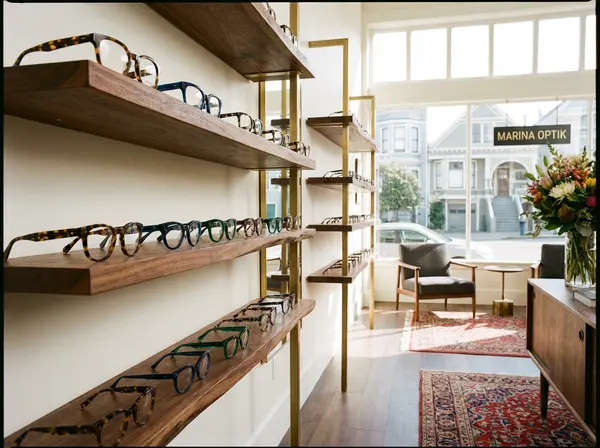
Walk into any chain optical store in San Francisco, and you’ll see walls of frames priced attractively at $99 or two-for-one deals. Then visit City Optix in the Marina District, where handcrafted European and independent American frames start at significantly higher price points. The question San Francisco professionals ask Dr. Jeff Rich constantly: “What’s the actual difference, and is designer eyewear really worth the investment?”
After 37 years fitting eyeglasses for Marina District, Russian Hill, and Nob Hill residents, Dr. Rich has seen both ends of the spectrum—from mass-produced acetate frames that crack within months to handcrafted Italian pieces still looking pristine after a decade. The gap between designer eyewear and chain store frames isn’t just about brand names or status symbols. It’s about materials, construction methods, fit precision, and ultimately, how long your glasses last and how well they perform.
Your eyeglasses are medical devices you wear 12-16 hours daily. They’re also the first thing people notice about your face. For San Francisco professionals where first impressions matter—whether you’re presenting to venture capitalists in Nob Hill boardrooms or meeting clients at Marina waterfront cafés—your frames make a statement about attention to detail and quality standards. Understanding what you’re actually paying for helps you make informed decisions about this important investment.
The Materials Matter More Than You Think
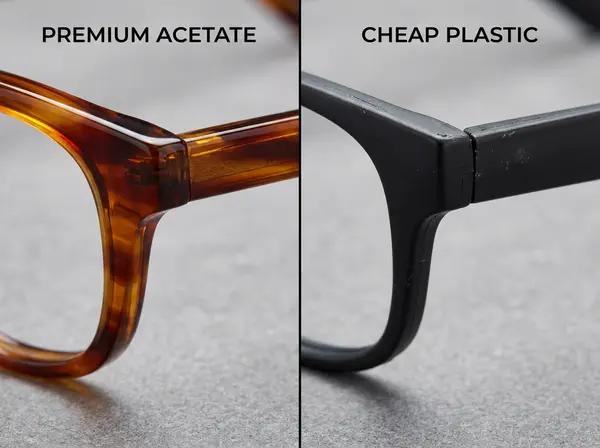
The most significant difference between designer eyewear and chain store frames starts with raw materials. Mass-market frames use injection-molded plastic—a manufacturing process that melts plastic pellets and injects them into molds. This creates frames quickly and cheaply, but the material is brittle, prone to breaking, and lacks the flexibility that makes glasses comfortable for all-day wear.
Designer frames from brands carried at City Optix use premium cellulose acetate, a plant-based material derived from cotton and wood pulp. Acetate blocks are cut, shaped, and hand-polished over weeks—sometimes months—creating frames with depth, richness, and durability impossible to achieve with injection molding. The difference is immediately apparent when you hold both types: acetate has weight, substance, and a lustrous finish that cheap plastic never achieves.
According to the Vision Council, premium acetate frames can last 5-10 years with proper care, while injection-molded frames typically need replacement within 1-2 years due to breakage, discoloration, or warping Vision Council Industry Report. Dr. Rich has patients wearing acetate frames purchased at City Optix in the 1990s—still in perfect condition after decades of daily use. That longevity transforms the cost equation entirely.
Metal Frames: The Hidden Quality Indicators
Metal frame quality varies even more dramatically than plastic. Chain stores typically use nickel alloys or low-grade stainless steel—materials that corrode, discolor, and cause allergic reactions in people with sensitive skin. The green discoloration you’ve seen on older metal frames? That’s cheap metal oxidizing against your skin’s natural oils and San Francisco’s moisture-heavy air.
Designer metal frames at City Optix use materials like titanium, monel, and surgical-grade stainless steel. Titanium offers exceptional strength at minimal weight—so light you forget you’re wearing glasses—while remaining hypoallergenic and corrosion-resistant even in coastal environments. Japanese titanium frames represent the pinnacle of metallurgical precision, with some temples measuring less than 2mm thick yet maintaining structural integrity for decades.
The hinges alone tell the quality story. Chain store frames use basic spring hinges that weaken quickly, causing arms to flop loose within months. Premium designer frames feature precision-engineered multi-barrel hinges with jeweler-level tolerances, opening and closing tens of thousands of times without degradation. Some luxury brands incorporate shock-absorbing mechanisms protecting frames from the inevitable drops and accidents that happen in daily life.
Construction Methods: Hand-Crafted vs. Mass-Produced

Manufacturing processes separate designer eyewear from chain store alternatives more than any other factor. Understanding how your frames are made explains why prices differ so dramatically.
The Chain Store Assembly Line
Mass-market frames follow industrial manufacturing processes optimized for speed and volume. Automated machinery injects molten plastic into molds, creating complete frames in minutes. Workers snap in generic nose pads and temples, apply simple finishes, and package thousands of identical units. The entire process—from raw material to finished frame—takes days.
This efficiency creates low prices but sacrifices everything else. Injection molding cannot achieve the color depth, pattern complexity, or surface finish that hand-crafted methods deliver. The frames are literally identical—thousands upon thousands of clones where every acetate pattern, every temple curve, every dimension exactly matches the factory specifications.
The Artisan Approach to Designer Eyewear
Premium frames at City Optix follow entirely different processes, often involving skilled artisans working weeks on single pairs. Italian manufacturers like those in the Belluno region—where luxury eyewear has been crafted for over a century—still use traditional techniques passed through generations.
The process begins with acetate blocks in stunning colors and patterns. Artisans cut rough frame shapes, then hand-shape each piece using specialized tools. They tumble frames in rotating barrels with natural wood chips and polishing compounds—a process taking days but creating unmatched luster and smoothness. Each component is individually fitted, hinges are precisely aligned, and temples are carefully adjusted to ensure perfect balance.
Hand-polishing alone requires 8-12 stages, each removing microscopic imperfections and building depth in the finish. The result is frames with three-dimensional color that changes as light hits different angles—impossible to achieve with injection molding. Russian Hill professionals choosing eyewear at City Optix often spend minutes just examining how light plays across premium acetate surfaces, revealing layers and patterns invisible in mass-produced alternatives.
Japanese manufacturers take precision even further, employing techniques borrowed from traditional crafts. Some brands use hundreds of thin acetate layers pressed together, then cut to reveal intricate patterns. Others incorporate metal inlays or wood elements—each requiring hand-assembly by master craftspeople. A single pair might pass through 200+ production steps over several weeks.
7 Reasons Designer Eyewear Outperforms Chain Store Frames
1. Superior Fit and Comfort for All-Day Wear
Chain store frames come in limited sizes—usually small, medium, large—forcing your face to adapt to generic dimensions. After hours of wear, you experience pressure points behind your ears, nose pad marks, or frames that slide down constantly because they simply don’t match your facial structure.
Designer frames at City Optix offer extensive size ranges with millimeter-level variations in width, bridge size, and temple length. Dr. Rich takes precise measurements of your face, considering not just width but also temple angle, nose bridge shape, and ear positioning. This customized fitting means frames that stay comfortably in place all day without pressure, sliding, or constant adjustment.
Premium brands also design frames with ergonomic considerations mass manufacturers ignore. Temple tips that curve to follow your head’s natural contours. Adjustable nose pads that distribute weight evenly. Spring-loaded hinges that accommodate head size variations without loosening. These details transform glasses from something you tolerate into something you barely notice wearing.
2. Optical Quality That Doesn’t Compromise Your Vision
Frame design directly impacts how well your lenses perform. The size and shape of the lens opening, the angle at which lenses sit relative to your eyes, and the distance from your eyes to the lens surface—all affect optical performance in ways most people never consider.
Designer frames are engineered with optical performance as priority. The frame front maintains precise angles that position lenses at optimal distances and orientations for your prescription. Higher-quality materials don’t warp over time, keeping your prescription accurate. The construction prevents lens flexing or twisting that can induce distortion.
Chain store frames prioritize fashion over function, often using frame shapes too small for proper lens placement or materials that warp with temperature changes. Dr. Rich has examined patients complaining of blurred vision, headaches, or eyestrain—only to discover their prescription is perfect but their cheap frames are holding lenses at incorrect angles or flexing under normal stress.
For San Francisco professionals spending 8-12 hours daily on computers, reading documents, or doing detailed work, this optical precision directly impacts productivity and comfort. The difference between frames that maintain optical integrity and those that don’t shows up in fewer headaches, less eyestrain, and better visual performance throughout long workdays.
3. Distinctive Style That Elevates Your Professional Image
Marina District, Russian Hill, and Nob Hill professionals understand that personal presentation matters. Your eyeglasses are front-and-center on your face—the accessory people notice first and remember most. Mass-market frames announce that you prioritize cost over quality, while designer eyewear signals attention to detail and appreciation for craftsmanship.
Independent eyewear brands at City Optix offer designs you won’t see on colleagues, clients, or competitors. These aren’t the ubiquitous styles appearing on every third person at Starbucks—they’re limited production runs from designers creating distinctive aesthetics for people who value originality.
The color options alone demonstrate the difference. Chain stores offer basic black, brown, and tortoise in patterns that look identical across brands. Designer acetate comes in hundreds of colors and patterns—from subtle marble effects to bold color combinations—each with depth and richness impossible in injection-molded plastic. Dr. Rich helps patients select colors that complement their skin tone, hair color, and professional context, ensuring glasses that enhance rather than detract from their appearance.
Frame shapes also differ dramatically. While chains follow trend-driven cycles (remember when everyone wore oversized wayfarers?), independent designers create timeless shapes that remain stylish for years. Classic designs reinterpreted with modern proportions. Subtle architectural details that make frames interesting without being loud. This sophistication serves professionals well in business contexts where extreme fashion trends would seem inappropriate.
4. Customization Options Chains Cannot Offer
Designer eyewear brands frequently offer customization impossible with mass-production methods. Many European manufacturers provide made-to-order options where frame dimensions are adjusted to your specific measurements. Temple lengths customized. Bridge widths modified. Even color combinations personalized.
City Optix works with brands offering engraving services—adding initials, meaningful dates, or personal symbols to temple interiors. Some manufacturers hand-paint details or incorporate precious metals. These personalization options transform glasses from commodity purchases into meaningful possessions reflecting your personality and preferences Luxury Eyewear Forum.
For San Francisco professionals with specific needs—perhaps you need extra-wide frames to accommodate strong prescriptions, or extra-narrow bridges for Asian fit requirements—designer brands offer solutions chain stores cannot. Dr. Rich’s relationships with manufacturers enable special orders serving unique requirements, ensuring every patient finds frames that work optically and aesthetically.
5. Durability That Justifies the Investment
The true cost of eyewear isn’t the purchase price—it’s the annual cost of ownership. Chain store frames at $99 seem economical until they break after 10 months, forcing replacement. Do that three times and you’ve spent $300 over 30 months while enduring the inconvenience of broken glasses and emergency repairs.
Designer frames at City Optix routinely last 5-10 years, often longer. Dr. Rich has patients wearing premium frames purchased decades ago, returning only for prescription updates in the same frames. The higher initial investment divided across years of service makes designer eyewear surprisingly economical compared to disposable alternatives requiring frequent replacement.
Durability extends beyond the frames themselves. Premium construction means adjustments and repairs remain possible years later. Hinges can be tightened, nose pads replaced, finishes restored. Chain store frames often use proprietary components or construction methods that make repairs impossible—deliberate obsolescence encouraging you to buy new frames regularly.
San Francisco’s demanding environment—temperature variations from fog-cooled mornings to warm afternoons, moisture from coastal air, and the physical demands of active lifestyles—tests frame durability constantly. Premium materials and construction methods withstand these stresses while cheap alternatives deteriorate rapidly.
6. Warranty and After-Purchase Support
Designer eyewear brands typically include comprehensive warranties covering manufacturing defects, often for 2+ years. Some luxury brands offer lifetime warranties on frame integrity. If hinges loosen, finishes deteriorate, or structural problems develop, manufacturers repair or replace frames at no cost.
Chain stores rarely offer comparable protection. Their warranties typically exclude normal wear, provide no coverage after 90 days, or limit replacements to identical models—problematic when they’ve discontinued your frame after one season. Dr. Rich works directly with premium brand representatives, facilitating warranty claims and ensuring patients receive proper support.
The after-purchase relationship matters tremendously. City Optix provides complimentary frame adjustments, cleaning, and minor repairs for the life of your glasses—a service commitment chains cannot match given their transaction-focused business model. When your glasses loosen, nose pads need replacement, or frames require adjustment, Dr. Rich’s team handles it immediately rather than treating you like a nuisance interfering with sales targets.
7. Sustainable and Ethical Manufacturing Practices
Many independent eyewear brands emphasize sustainable manufacturing using renewable materials, low-waste production methods, and ethical labor practices. Italian manufacturers source acetate from certified sustainable forestry. Japanese brands operate carbon-neutral facilities. American independent designers use recycled metals and plant-based materials.
Chain store frames typically come from mass-production facilities where labor conditions, environmental practices, and material sourcing receive minimal scrutiny. The race to bottom-dollar pricing creates pressures that often compromise worker welfare and environmental responsibility.
For Nob Hill and Marina District professionals who value ethical consumption and environmental stewardship, designer eyewear aligns purchasing decisions with personal values. You’re not just buying glasses—you’re supporting artisan craftspeople, sustainable practices, and businesses that treat workers fairly.
Understanding the True Cost: Investment vs. Expense
San Francisco professionals excel at analyzing value propositions. Let’s examine eyewear costs with the same rigor you’d apply to any significant purchase.
Scenario A: Chain Store Frames
- Initial cost: $99
- Average lifespan: 18 months (based on industry data)
- Replacement frequency: Every 1.5 years
- Cost over 10 years: $660 (6-7 replacements)
- Hidden costs: Lost productivity during replacements, inconvenience of breakage, potential for emergency replacements at higher prices
Scenario B: Designer Frames at City Optix
- Initial cost: $400-600
- Average lifespan: 7-10 years
- Replacement frequency: Once or twice in 10 years
- Cost over 10 years: $400-800 (1-2 replacements)
- Added benefits: Superior comfort, better optical performance, distinctive style, warranty coverage, lifetime adjustments
The investment case becomes clear: premium frames cost roughly the same or less over time while delivering dramatically better experience, performance, and appearance. This doesn’t even account for intangible benefits like the confidence boost from knowing your glasses look exceptional or the comfort of frames that don’t cause pressure headaches during marathon work sessions.
Dr. Rich encourages patients to think beyond initial price tags. “I’ve fitted glasses for Marina District professionals since 1988,” he explains. “The patients who choose quality frames invariably express satisfaction years later. Those who prioritize low prices return frustrated when their second or third cheap replacement breaks. The math favors quality—both financially and experientially.”
When Chain Store Frames Make Sense
Honesty requires acknowledging that designer eyewear isn’t always the right choice. If you need backup glasses for occasional use—perhaps a pair kept in your car for emergencies—spending $500 makes little sense. If you’re experimenting with dramatic style changes and want to test bold looks before committing, lower-cost options provide risk-free exploration.
But for your primary glasses—the frames you wear daily, rely on for work, and want to feel confident wearing in professional and social contexts—the designer eyewear investment delivers returns that cheap alternatives simply cannot match.
What to Look for When Shopping for Designer Eyewear
Not all expensive frames are created equal. Some brands charge premium prices based purely on fashion cache without meaningful quality improvements. Dr. Rich recommends focusing on these indicators of genuine quality:
Materials and Construction
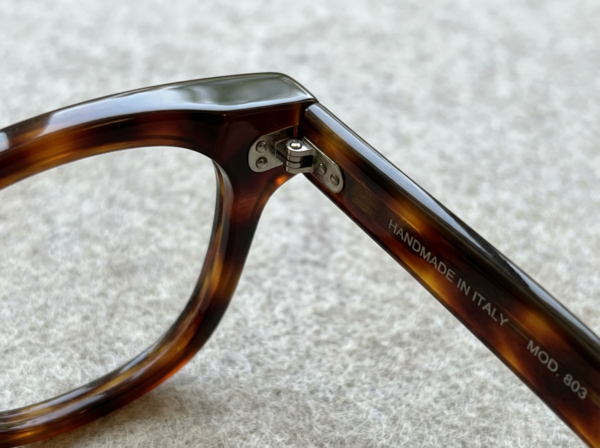
Ask about frame materials. Premium acetate should feel substantial, display depth in colors and patterns, and show no visible seams or mold lines. Metal frames should specify materials—titanium, monel, stainless steel—not generic “metal alloy.” Examine hinges closely: they should operate smoothly with no play or wobble, and show precise alignment between temple and frame front.
Check for hand-finishing indicators. Quality acetate shows rounded edges, smooth surfaces without tool marks, and lustrous polishing. Look inside temples for manufacturer details, country of origin (Italy, Japan, and France remain quality indicators), and model information—signs of transparency about manufacturing.
Fit and Comfort Assessment
Try frames for at least 10-15 minutes, ideally while doing activities mimicking your daily routine—reading on your phone, looking at a computer screen, moving your head normally. Quality frames should feel balanced, distribute weight evenly, and stay in position without slipping or pinching.
Dr. Rich performs detailed fitting analysis, measuring your facial dimensions and comparing them to frame specifications. He looks for proper temple angle (matching your head’s contours), appropriate nose bridge width (distributing weight without creating pressure), and correct eye positioning within lenses (ensuring optimal prescription performance).
Brand Reputation and Heritage
Research brands before purchasing. Independent manufacturers with decades of history, transparent production methods, and reputations among eyewear professionals indicate genuine quality. Be skeptical of brands that appeared recently with no manufacturing expertise, or those licensing luxury fashion names without eyewear heritage.
City Optix curates collections from brands Dr. Rich has vetted through years of experience. He knows which manufacturers deliver consistent quality, honor warranties, and maintain production standards worthy of premium pricing. This expertise protects patients from paying designer prices for mediocre quality.
The City Optix Difference: Curated Collections and Expert Guidance
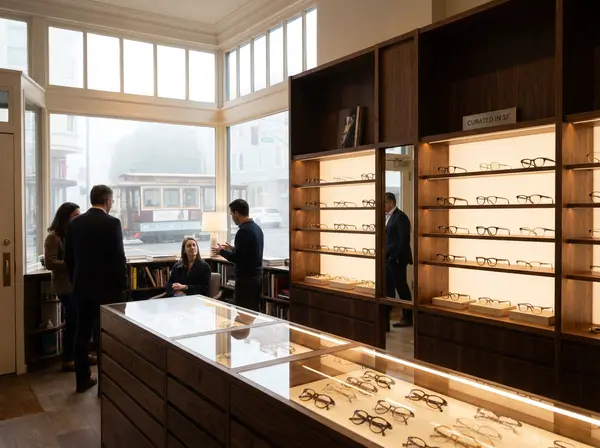
Walk into chain stores and you’ll face walls of hundreds or thousands of frames with minimal guidance beyond sales associates incentivized to push high-margin products. The overwhelming selection paradoxically makes choosing harder, not easier.
City Optix takes a different approach. Dr. Rich personally curates eyewear collections, selecting brands and styles that meet strict quality standards and serve his patients’ diverse needs and aesthetics. The edited selection—perhaps 200-300 carefully chosen frames rather than thousands of random options—makes decision-making manageable while ensuring every option represents genuine quality.
This curation reflects Dr. Rich’s understanding of San Francisco professionals’ needs. You’ll find classic designs appropriate for conservative business environments. Modern architectural frames perfect for creative industries. Subtle luxury pieces for those who prefer understated elegance. Bold statement frames for patients wanting distinctive style. Every category offers options across price points, ensuring accessibility regardless of budget.
Expert Fitting Makes the Difference
The finest frames in the world won’t perform well if poorly fitted. Dr. Rich’s 37 years of experience fitting eyeglasses for thousands of San Francisco faces means he understands how different face shapes, features, and proportions interact with frame designs.
He considers factors most people never think about: how your ears sit relative to your eyes (affecting temple angle), whether you have a high or low nose bridge (determining appropriate bridge design), if you have prominent cheekbones (impacting frame depth requirements), and how your prescription strength affects lens thickness in different frame shapes.
This expertise prevents common mistakes—like choosing frames too large for your prescription (creating thick, heavy lenses), selecting shapes that fight your natural features rather than complementing them, or picking trendy styles that won’t serve your professional context well.
Dr. Rich also educates patients about how frame selection interacts with lens choices. Progressive lenses require sufficient vertical height. High prescriptions benefit from smaller lens sizes. Anti-reflective coatings show differently in dark versus light frame colors. This integrated thinking—considering frames and lenses together rather than separately—optimizes both appearance and optical performance.
The Marina District Advantage
City Optix’s location at 2154 Chestnut Street in the Marina District provides a boutique shopping experience impossible at mall-based chain stores. The intimate setting allows focused attention on your needs without crowds, noise, or high-pressure sales tactics. Dr. Rich and his team take time to understand your preferences, lifestyle requirements, and style sensibilities before suggesting options.
For Russian Hill and Nob Hill professionals, the Marina location offers convenient access without downtown parking hassles or the impersonal feel of large retail centers. Many patients make eyewear selection an enjoyable outing—perhaps browsing frames before lunch at nearby cafés or combining their appointment with Marina shopping.
The neighborhood boutique atmosphere creates relationships rather than transactions. Dr. Rich knows his patients’ eyewear history, their style evolution over years, their professional demands. This familiarity enables increasingly refined recommendations—saving time while improving outcomes with each visit.
Making Your Designer Eyewear Decision
If you’re considering investing in premium frames, here’s how to approach the decision:
Start with Self-Assessment: How many hours daily do you wear glasses? What’s your work environment—conservative corporate, creative casual, or somewhere between? Do you have backup glasses or are these your only pair? How long did your last frames last, and what caused their retirement?
Set Realistic Budget: Quality designer frames at City Optix range from $300-800, with some luxury pieces higher. Lenses add $200-500 depending on prescription complexity and coating options. A complete eyeglass purchase typically runs $500-1,300—an investment delivering 5-10 years of daily service.
Schedule Adequate Time: Quality eyewear selection deserves more than rushed 15-minute appointments between meetings. Dr. Rich recommends blocking 45-60 minutes for comprehensive eyewear consultations, allowing time to try multiple options, discuss styling considerations, and ensure proper fitting.
Bring Reference Points: If you have existing frames you love (or hate), bring them to show Dr. Rich what does and doesn’t work for you. Photos of frames you’ve admired also help communicate your aesthetic preferences. This context accelerates finding ideal options.
Trust Expertise While Honoring Preferences: Dr. Rich’s recommendations come from decades of experience and understanding of what works optically and aesthetically. But ultimately, you wear these glasses daily—your comfort with the style matters tremendously. The best outcome combines Dr. Rich’s technical expertise with your authentic personal preference.
The Long-Term Relationship with Your Eyewear
Quality designer frames become part of your identity—the frames colleagues recognize you wearing, that feel like a natural extension of your face, that you reach for automatically every morning. This relationship develops over years of comfortable daily wear, looking good in professional contexts, and receiving compliments that affirm your choice.
Dr. Rich maintains relationships with patients spanning decades, often fitting their first adult glasses and continuing through career progressions and life changes. He’s witnessed how the right frames boost confidence during career transitions, how quality eyewear weathers life’s demands, and how the investment in premium frames pays dividends in satisfaction year after year.
Marina District professionals who trusted Dr. Rich’s guidance in their twenties often return in their forties or fifties, ready for progressive lenses but wanting to maintain the quality standards they’ve come to expect. That continuity—knowing your optometrist understands your history, preferences, and needs—creates value beyond any single purchase.
Experience Designer Eyewear at City Optix
Ready to discover the difference that genuine quality makes in your daily eyewear experience? Visit City Optix in San Francisco’s Marina District and explore our curated collection of independent and luxury eyewear brands. Dr. Jeff Rich and his team will help you find frames that combine optical excellence, lasting durability, and distinctive style—an investment you’ll appreciate every time you put them on.
Located at 2154 Chestnut Street, San Francisco, CA 94123, City Optix welcomes Marina District, Russian Hill, and Nob Hill professionals seeking eyewear that performs as beautifully as it looks. Call (415) 921-1444 to schedule your designer eyewear consultation today.
About the Author: Dr. Jeff Rich, OD, has guided San Francisco professionals through eyewear decisions since 1988. With over 37 years of experience fitting designer frames and understanding how quality eyewear serves both optical and aesthetic needs, Dr. Rich combines technical expertise with an eye for style. His Marina District practice, City Optix, specializes in curated collections of independent and European designer eyewear brands serving discerning clients throughout San Francisco.
FAQ SECTION
Q: How much should I expect to spend on quality designer eyewear in San Francisco?
A: Quality designer frames at City Optix typically range from $300-800, with lenses adding $200-500 depending on your prescription and coating preferences. Complete eyeglasses usually cost $500-1,300—an investment that delivers 5-10 years of daily wear, making the annual cost comparable to or less than repeatedly replacing cheap frames.
Q: What’s the actual difference between designer frames and chain store glasses?
A: Designer frames use premium materials like cellulose acetate and titanium with hand-crafted construction methods requiring weeks of skilled labor. Chain store frames use injection-molded plastic and basic metal alloys with automated manufacturing. The difference shows in durability (5-10 years vs. 12-18 months), comfort, optical performance, and appearance quality.
Q: Are expensive eyeglass frames really worth the investment?
A: Yes, when you consider cost of ownership over time. Premium frames last 5-10 years while mass-market frames typically need replacement every 12-18 months due to breakage or deterioration. The higher initial investment divided across years of service makes designer eyewear economically comparable while delivering superior comfort, performance, and appearance throughout their lifespan.
Q: What designer eyewear brands does City Optix carry in the Marina District?
A: City Optix curates collections of independent European and American designers focusing on quality, craftsmanship, and distinctive design. Dr. Rich personally selects brands that meet strict standards for materials, construction, and optical performance while offering diverse aesthetic options for San Francisco professionals’ varied style preferences.
Q: How do I know if eyeglass frames are good quality?
A: Quality indicators include premium materials (cellulose acetate for plastic, titanium or monel for metal), precision-engineered multi-barrel hinges, hand-polished finishes without visible seams or tool marks, detailed manufacturer information inside temples, and country-of-origin marking from known eyewear manufacturing regions like Italy, Japan, or France.
Q: Can Dr. Rich help me choose frames that fit my face shape?
A: Yes, Dr. Rich’s 37 years of experience includes expert frame fitting and styling guidance. He takes precise facial measurements, considers your features and proportions, discusses your professional context and style preferences, then recommends frames that complement your face shape while serving your optical needs and aesthetic goals.
Q: How long do designer eyeglass frames typically last?
A: With proper care, quality designer frames routinely last 5-10 years or longer. Dr. Rich has patients wearing premium frames purchased decades ago, returning only for prescription updates in the same frames. This longevity comes from superior materials, construction methods, and the ability to repair and maintain quality frames over time.
Q: Does City Optix serve Russian Hill and Nob Hill or just Marina District?
A: City Optix serves professionals throughout northern San Francisco including Marina District, Russian Hill, Nob Hill, Cow Hollow, Pacific Heights, and Presidio. The Chestnut Street location provides convenient access for all these neighborhoods, with available parking and easy MUNI access for San Francisco residents throughout the city.