
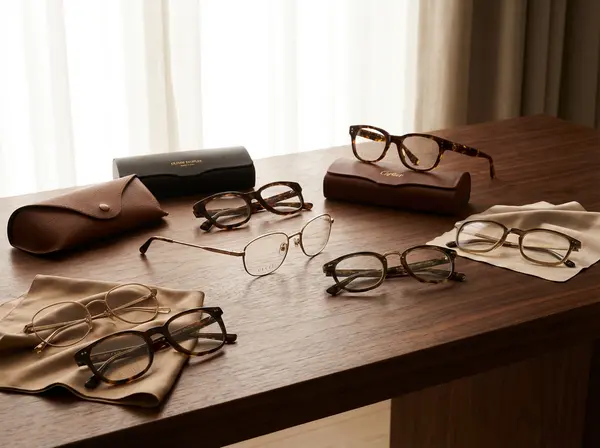
Your eyeglasses are more than fashion accessories—they’re precision optical instruments that directly impact your vision quality, comfort, and daily productivity. Yet many San Francisco professionals continue wearing outdated prescriptions or damaged frames long past their functional lifespan, unaware of the toll this takes on their eyes and overall well-being.
At City Optix in San Francisco’s Marina District, Dr. Jeff Rich has spent 37 years helping residents of Marina, Russian Hill, and Nob Hill understand when eyeglass replacement becomes necessary—and when it’s simply time for a style refresh. The answer isn’t one-size-fits-all. Your prescription stability, frame quality, lifestyle demands, and vision changes all influence how long your glasses should last.
Understanding the signs that indicate replacement time can prevent eyestrain, headaches, and missed visual details that diminish your quality of life. Whether you’re wearing luxury independent frames from City Optix’s curated collection or considering an upgrade, this guide explains exactly when replacement makes sense—and when your current glasses still serve you well.
Why Eyeglass Replacement Matters More Than You Think
Wearing outdated or damaged eyeglasses creates problems extending far beyond blurry vision. Your eyes constantly strain to compensate for incorrect prescriptions, scratched lenses, or misaligned frames—leading to headaches, fatigue, reduced productivity, and even safety risks during activities like driving through Marina District’s busy streets or navigating Russian Hill’s steep terrain.
According to the Vision Council, over 75% of Americans use some form of vision correction, yet many wear prescriptions that no longer match their current vision needs Vision Council Research. Your eyes change over time—sometimes gradually, occasionally dramatically—and prescriptions that worked perfectly two years ago may now be holding you back without your conscious awareness.
For San Francisco professionals spending 8-12 hours daily on screens, the consequences of poor optical quality compound. Outdated prescriptions force your eyes to work harder, accelerating digital eye strain and contributing to the chronic discomfort so many Marina District and Nob Hill workers attribute to “just getting older” or “working too hard.”
The financial calculation favors timely replacement too. While postponing new glasses might seem economical, the hidden costs—reduced work productivity, eyestrain-related headaches, increased eye fatigue, and accelerated eye aging—far outweigh the investment in proper vision correction. Think of eyeglass replacement not as an expense, but as essential maintenance for one of your most valuable assets: your vision.
5 Clear Signs It’s Time to Replace Your Eyeglasses
1. Your Prescription Has Changed

Vision changes represent the most critical reason for eyeglass replacement. Even if your frames remain in perfect condition, wearing an outdated prescription forces your eyes to work harder than necessary, creating strain that impacts everything from reading comfort to driving safety.
Most adults experience prescription changes every 1-3 years, though the rate varies significantly. Marina District professionals in their 40s often notice rapid changes as presbyopia—age-related near vision loss—develops. Russian Hill residents with diabetes may experience fluctuating vision requiring more frequent prescription updates. Even young, healthy adults’ vision shifts gradually over time.
Warning signs your prescription needs updating include:
- Squinting to read text that was previously clear
- Headaches after reading, computer work, or driving
- Eye fatigue that worsens throughout the day
- Difficulty seeing at night, especially while driving
- Holding reading material closer or farther than usual
- Blurred vision at distances where you previously saw clearly
Dr. Rich recommends annual comprehensive eye exams for most adults, not just to check prescription changes but to monitor eye health. Many serious eye diseases develop silently, detectable only through professional examination. During these visits, he’ll determine whether your current prescription still serves you well or if updates would improve your vision quality and comfort.
2. Visible Lens Damage or Scratches
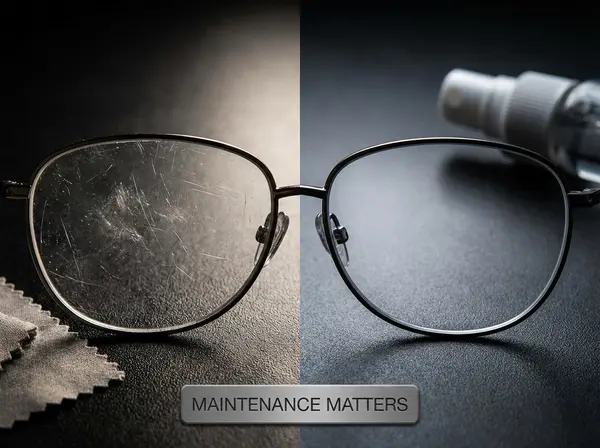
Even minor lens scratches compromise optical quality more than most people realize. Each scratch scatters light entering your eyes, reducing contrast, creating glare, and forcing your visual system to work harder processing degraded images. Over time, accumulated scratches significantly impact vision clarity, particularly in challenging lighting conditions like San Francisco’s morning fog or evening glare from bay reflections.
Deep scratches that interfere with your direct line of sight become especially problematic. Your eyes attempt to “look around” the obstruction, creating strain and potentially dangerous blind spots. For Nob Hill professionals driving to work or Marina District residents navigating busy Chestnut Street, compromised visual clarity poses genuine safety risks.
Beyond scratches, other lens damage requiring replacement includes:
- Coating deterioration (peeling, bubbling, discoloration)
- Cracks or chips, even small ones at lens edges
- Permanent stains or discoloration that won’t clean
- Warping from heat exposure or improper storage
While minor surface scratches might seem cosmetic, they genuinely impact visual performance. The good news? Lens replacement often costs less than complete eyeglass replacement, especially if your frames remain in excellent condition. City Optix can frequently replace damaged lenses while preserving the frames you love, particularly for high-quality independent and luxury frames built to last decades.
3. Frame Damage or Poor Fit
Frames serve crucial functions beyond holding lenses—they position optical centers precisely in front of your pupils, maintain proper vertex distance (lens-to-eye distance), and ensure comfortable, secure wear. When frames become damaged, bent, or misaligned, even perfect lenses can’t deliver optimal vision.
Common frame problems indicating replacement time:
- Bent or misaligned frames: Even slight misalignment moves optical centers away from proper position, distorting vision and causing eyestrain
- Loose hinges or temples: Glasses that slide down your nose constantly reposition optical centers, forcing your eyes to constantly readjust
- Nose pad deterioration: Damaged pads cause slipping and create pressure points, making extended wear uncomfortable
- Cracked or broken frame parts: Compromised structural integrity leads to further damage and potential breakage at inconvenient times
- Stretched or warped frames: Frames that no longer maintain their original shape can’t deliver the vision correction they were designed to provide
Dr. Rich can often repair minor frame issues during regular maintenance visits—tightening screws, adjusting temples, replacing nose pads. However, significant damage, particularly to frame fronts or bridges, typically requires complete replacement. For Russian Hill residents who invested in luxury eyewear from City Optix’s independent designer collections, proper maintenance extends frame life significantly, often making professional repair more economical than replacement.
4. Your Lifestyle or Vision Needs Have Changed
Life changes often necessitate different eyewear solutions, even when prescriptions remain stable. The glasses that served you perfectly in one phase of life may become inadequate as your daily activities and visual demands evolve.
Consider replacement when:
- Career changes alter vision demands: Transitioning to remote work requires different focal lengths than office environments; new roles involving presentations need better intermediate vision
- Increased screen time: Marina District tech professionals often need computer-specific glasses optimized for 24-inch screen distance rather than general-purpose prescriptions
- New hobbies or activities: Taking up cycling around the bay requires secure, wrap-style sports frames; joining a book club highlights need for better reading vision
- Presbyopia develops: Reaching your 40s typically requires progressive lenses or reading glasses for near vision tasks
- You want dedicated task-specific glasses: Separate pairs for computer work, reading, and distance vision often improve comfort compared to compromising with single-pair solutions
San Francisco’s active lifestyle particularly benefits from purpose-specific eyewear. Nob Hill residents hiking Lands End on weekends need different optical solutions than sitting in board meetings. Having multiple pairs optimized for specific activities—while more expensive initially—dramatically improves vision quality and eye comfort across all aspects of your life.
5. Style Evolution and Professional Image
While functionality matters most, eyeglasses significantly impact your appearance and professional image. Frames from 5-10 years ago may now appear dated, potentially affecting how colleagues, clients, and social contacts perceive you. In San Francisco’s fashion-forward Marina District and style-conscious Russian Hill and Nob Hill neighborhoods, current eyewear contributes to overall presentation.
Eyewear trends evolve constantly. Oversized frames popular a decade ago now appear dated. Colors and materials shift with fashion cycles. Modern collections feature innovations in materials, construction, and aesthetic approaches that make older styles look noticeably aged.
Beyond style, frame technology improves constantly. Today’s independent designer frames offered at City Optix feature lighter materials, more comfortable designs, better durability, and superior optical performance compared to frames from even 5-7 years ago. Upgrading means not just looking current, but experiencing genuine improvements in all-day wearing comfort.
Think of eyeglasses like your professional wardrobe. You wouldn’t wear a suit from 2010 to important meetings—not because it’s damaged, but because it no longer represents current style. Eyeglasses deserve the same consideration, particularly since you wear them every waking hour.
How Long Should Quality Eyeglasses Actually Last?
Eyeglass lifespan varies dramatically based on frame quality, lens materials, maintenance habits, and usage patterns. Understanding realistic expectations helps you budget appropriately and recognize when replacement becomes necessary.
Prescription Lenses: 1-3 Years
Most adults should replace prescription lenses every 1-3 years due to vision changes, even if frames remain in excellent condition. Annual eye exams with Dr. Rich determine whether your prescription still serves you optimally or requires updating.
Some populations need more frequent prescription updates:
- Adults 40-60: Presbyopia (age-related near vision loss) progresses rapidly during this period, often requiring annual prescription adjustments
- Diabetes patients: Blood sugar fluctuations affect vision, necessitating more frequent monitoring
- High myopia (strong nearsightedness): These prescriptions tend to change more frequently, particularly in younger adults
- Post-refractive surgery patients: Vision can shift during the first year after LASIK or similar procedures
Conversely, some fortunate individuals maintain stable prescriptions for 3-5+ years. Annual exams remain essential even when prescriptions stay constant, since they monitor eye health and detect diseases before symptoms develop.
Frame Longevity: The Quality Difference
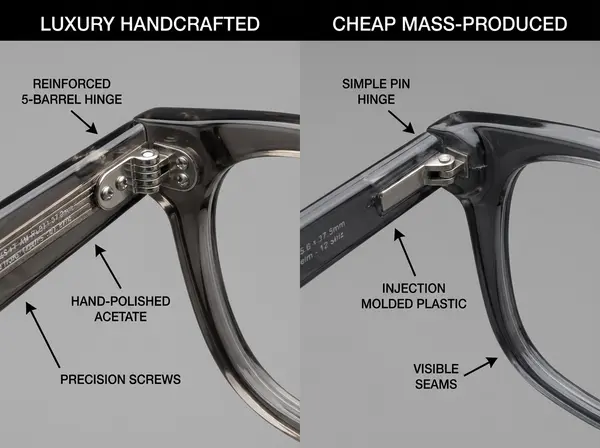
Frame lifespan correlates directly with construction quality and materials—areas where City Optix’s curated independent designer collections dramatically outperform mass-produced chain store frames.
Mass-Produced Chain Store Frames (1-2 years):
- Plastic injection-molded construction
- Inexpensive metal alloys prone to bending and breaking
- Hinges that loosen quickly with daily use
- Limited repairability when damage occurs
- Fashion-focused with planned obsolescence
Independent Designer & Luxury Frames (5-10+ years):
- Handcrafted construction using premium materials
- High-grade titanium, acetate, or specialty alloys
- Precision-engineered hinges designed for decades of use
- Fully repairable components extend practical lifespan
- Timeless designs that age gracefully
- Many customers wear the same quality frames for 10-15 years, simply replacing lenses as prescriptions change
City Optix’s European and American independent frame collections represent genuine investments. While initial costs exceed chain store options, the per-year cost over a frame’s lifetime often proves more economical—not to mention the superior comfort, durability, and style these frames provide throughout their extended lifespan Luxury Eyewear Forum.
Environmental & Lifestyle Impact
San Francisco’s unique environment affects eyeglass longevity. Salt air in Marina District and coastal neighborhoods accelerates metal frame corrosion if not properly maintained. The city’s temperature variations—foggy mornings to warm afternoons—create expansion and contraction stressing frame materials. Russian Hill and Nob Hill residents walking steep hills experience more frame shifting and adjustment than those in flat areas, potentially loosening screws and hinges faster.
Active lifestyles similarly impact longevity. Glasses worn during exercise, outdoor activities, or sports endure more stress than those worn only indoors. Many Marina District residents benefit from having multiple pairs—premium frames for professional and social occasions, durable sport-specific frames for active pursuits.
7 Ways to Maximize Your Eyeglass Lifespan

Proper care dramatically extends how long your eyeglasses remain functional and comfortable. Dr. Rich shares these maintenance practices that keep frames and lenses performing optimally:
1. Clean Lenses Properly and Regularly
Most lens damage comes from improper cleaning. Never use paper towels, clothing, or tissues—these materials contain wood fibers that scratch lens coatings. Instead, rinse lenses under lukewarm water to remove debris, apply a drop of dish soap, gently wash, and dry with microfiber cloths designed for eyewear.
City Optix provides premium microfiber cleaning cloths with every purchase. Keep one at home, one at work, and one in your car for convenient cleaning throughout the day. This small habit prevents the accumulation of oils, dust, and debris that gradually degrade lenses and coatings.
Avoid cleaning products containing ammonia, bleach, or vinegar—these chemicals damage anti-reflective and other lens coatings. Purpose-designed eyeglass cleaning sprays offer safe alternatives when soap and water aren’t available.
2. Store Glasses in Protective Cases
Every time you remove your glasses, they should go directly into a hard protective case—no exceptions. This single habit prevents the vast majority of accidental damage: lenses scratched by keys in purses, frames bent in pockets, glasses knocked off tables, or damaged by pets or children.
Marina District professionals keeping glasses at desks face particular risks. Knocked to the floor during busy workdays, glasses can be stepped on, damaged by chair wheels, or swept into trash during cleaning. A case on your desk ensures protection during those moments when glasses aren’t on your face.
For San Francisco residents frequently moving between locations—home, office, gym, cafes—consider multiple cases. Leave one at work, one at home, and carry a compact case in bags or vehicles. The minor inconvenience of using cases pales compared to replacing damaged glasses.
3. Use Both Hands When Removing Glasses
This simple habit prevents the gradual frame misalignment that plagues one-handed removal. Taking glasses off by grabbing one temple creates uneven stress, bending frames over time until they no longer sit straight on your face. Use both hands, grasping both temples simultaneously, to maintain even pressure and preserve proper alignment.
Similarly, always put glasses on using both hands. Russian Hill residents rushing out the door in the morning often grab glasses one-handed, creating daily micro-bending that accumulates into significant misalignment requiring professional adjustment or even replacement.
4. Schedule Professional Adjustments Regularly
Visit City Optix every 3-6 months for professional adjustments even when glasses seem fine. Dr. Rich and his team tighten screws, adjust temples, realign frames, replace nose pads, and address minor issues before they become major problems. These complimentary adjustment visits—included with every City Optix purchase—extend frame life significantly.
Nob Hill professionals often wait until glasses feel uncomfortable or vision seems off before seeking adjustments. By then, extended wear in misaligned position may have created eye strain symptoms requiring adaptation periods after proper adjustment. Preventive maintenance proves far easier than corrective intervention.
5. Protect Glasses from Heat and Chemicals
Never leave glasses in hot cars, near stoves, or in direct sunlight for extended periods. Heat warps plastic frames and can damage lens coatings. Marina District residents visiting the beach should keep glasses in shaded bags, not baking on blankets in afternoon sun.
Hairspray, perfume, cleaning products, and other chemicals damage coatings and frame finishes. Apply these products before putting on glasses, and avoid spraying directly toward your face while wearing eyewear. If chemicals contact lenses, rinse immediately with lukewarm water.
6. Address Damage Immediately
Small problems become major issues when ignored. Loose screws fall out, losing temples or nose pads. Minor frame bends worsen with continued wear. Small scratches collect debris, becoming larger compromised areas.
City Optix offers complimentary minor repairs—tightening screws, replacing nose pads, basic adjustments. Addressing these issues immediately prevents escalation into damage requiring expensive repair or complete replacement. Don’t wait until glasses break to seek professional attention.
7. Invest in Protective Lens Coatings
Anti-scratch coatings significantly improve lens durability, though no coating makes lenses completely scratch-proof. Anti-reflective coatings reduce glare and improve visual comfort while also making lenses easier to clean, since they repel oils and debris. UV protection preserves not just your eye health but also prevents lens material degradation from sun exposure.
While protective coatings add to initial costs, they dramatically extend lens lifespan—often paying for themselves by delaying replacement needs. For San Francisco’s variable lighting conditions—from dense morning fog to intense afternoon sun reflecting off bay waters—these coatings provide genuine visual benefits beyond mere protection.
When Frame Quality Justifies Higher Investment
Not all eyeglasses offer equal value propositions. Understanding quality differences helps you make informed decisions about when budget frames suffice and when premium investment pays dividends over time.
The True Cost of Cheap Frames
Mass-produced budget frames from chain stores typically cost $50-150 and last 1-2 years before requiring replacement due to poor construction quality, style obsolescence, or damage. Over a decade, you’ll purchase 5-10 pairs at total costs of $250-1,500, while constantly dealing with frames that bend, break, or become uncomfortable.
These frames use inexpensive materials—injection-molded plastics that become brittle, thin metal alloys that bend permanently, springs and hinges that fail quickly. When damage occurs, repair often costs nearly as much as replacement, encouraging disposal rather than maintenance. This planned obsolescence may seem economical initially but proves expensive over time.
Beyond financial costs, cheap frames carry hidden burdens. Constant replacement requires regular shopping trips, adjustment to new frame shapes and fits, and the frustration of dealing with poorly-constructed products. For busy Marina District and Russian Hill professionals, this time investment alone exceeds any savings from initial low prices.
Premium Frame Value: The City Optix Difference
City Optix’s curated collection of independent designer frames typically costs $300-800, reflecting genuine craftsmanship and material quality. These frames last 5-10+ years with proper care, often outlasting multiple prescription changes. Spread across their lifespan, the annual cost frequently equals or beats budget alternatives—while delivering dramatically superior experience.
Premium frame characteristics include:
- Hand-crafted construction: Individual artisans assemble each frame, ensuring quality control impossible in mass production
- Superior materials: Premium acetate that maintains flexibility for decades, titanium alloys chosen for strength and lightness, beta-titanium for memory-metal properties
- Engineered hinges: Precision-made components designed for tens of thousands of open/close cycles without loosening
- Timeless design: Classic aesthetics that remain stylish across years, not flash-in-the-pan trends
- Full repairability: Replaceable temples, adjustable bridges, components that can be serviced rather than disposed of
- Comfortable all-day wear: Thoughtful design distributing weight evenly, eliminating pressure points common in cheap frames
For Nob Hill professionals wearing glasses 12-16 hours daily, comfort and durability differences become immediately apparent. Premium frames feel better, look better, and perform better—providing genuine return on investment beyond mere longevity American Optometric Association Guidelines.
The Environmental Case for Quality
Disposable fashion eyewear creates environmental waste. Cheap frames designed to last only 1-2 years contribute to growing plastic waste streams. Most mass-produced frames cannot be recycled due to mixed materials and bonded construction, ending up in landfills where they persist for centuries.
Premium frames, by contrast, represent sustainable investment. Lasting a decade or more, they reduce consumption by 80-90% compared to budget alternatives. Many independent frame makers prioritize environmental responsibility, using recycled materials, sustainable production methods, and designs supporting repair rather than disposal.
San Francisco’s environmentally-conscious Marina, Russian Hill, and Nob Hill communities increasingly recognize that quality, longevity, and sustainability align. Choosing fewer, better-made products reflects values these neighborhoods hold dear—making premium eyewear an extension of broader lifestyle choices.
Special Considerations for San Francisco Lifestyles
City Optix serves diverse San Francisco communities with different vision needs and lifestyle demands. Understanding how your daily life impacts eyeglass choices helps determine optimal replacement timing.
For Tech Professionals (Marina District, SOMA)
If you spend 8-12 hours daily on computers, your eyeglass needs differ dramatically from general-purpose prescriptions. Computer-specific glasses optimized for 24-inch screen distance reduce digital eye strain significantly compared to standard distance prescriptions. Many tech professionals benefit from having multiple pairs:
- Computer glasses for work
- General-purpose glasses for daily activities
- Blue light filtering glasses for evening screen time
Consider replacement when your work environment changes—new monitors at different distances, transition to remote work, career shifts involving more or less screen time.
For Active Outdoor Enthusiasts (Marina, Presidio)

San Francisco’s stunning outdoor amenities—Marina Green, Presidio trails, bay waterfront—attract active residents who need eyewear supporting their lifestyle. Standard everyday glasses often prove inadequate for sports and outdoor activities.
Prescription sunglasses become essential equipment, not luxury accessories. UV protection preserves long-term eye health while reducing glare from water reflections along the bay. Polarized lenses dramatically improve visual comfort during outdoor activities while enhancing safety by reducing glare-related visual confusion.
Replace outdoor eyewear when coatings degrade from sun exposure, lenses scratch from active use, or frames become damaged from higher-stress activities. Many Marina District residents find that prescription sunglasses wear faster than everyday glasses due to more demanding use conditions.
For Fashion-Conscious Professionals (Russian Hill, Nob Hill)
In San Francisco’s style-conscious neighborhoods, eyewear represents personal brand expression. Glasses worn every day become central to how others perceive you professionally and socially. Current, well-maintained eyewear signals attention to detail and self-presentation that translates into professional credibility.
Consider style-driven replacement every 3-5 years even when frames remain functional. Fashion evolves, and frames that looked current when purchased may now appear dated. For professionals in creative industries, finance, law, or executive roles, contemporary eyewear contributes to overall professional image.
City Optix’s independent designer collections offer distinctive styles unavailable at chains—allowing Russian Hill and Nob Hill residents to express individual taste while maintaining professional sophistication. These frames balance fashion-forward design with timeless quality that ages gracefully rather than looking obviously dated.
Making the Replacement Decision: A Practical Framework
Uncertainty about whether replacement makes sense? Use this decision framework Dr. Rich shares with City Optix patients:
Replace immediately if:
- Prescription has changed (verified by comprehensive eye exam)
- Lenses have significant scratches affecting vision
- Frames are broken or seriously damaged
- Glasses cause discomfort, headaches, or eye strain
- Vision seems less clear than it should be
Replace soon if:
- Minor lens scratches are accumulating
- Frames require frequent adjustments to stay comfortable
- You’re squinting or straining to see clearly
- Your last eye exam was over 2 years ago
- Lifestyle changes have created new vision demands
Repair rather than replace if:
- Frames are high-quality but need minor fixes
- Lenses are perfect but frames need adjustments
- Prescription is current and vision remains comfortable
- Damage is limited to easily replaceable components (nose pads, temples)
Consider style refresh if:
- Frames are 5+ years old and look dated
- You work in image-conscious professional environment
- Your personal style has evolved beyond current frames
- You simply want updated look with current fashion
Can probably wait if:
- Recent eye exam confirmed prescription remains accurate
- Frames fit comfortably and look current
- Lenses are scratch-free and coatings remain intact
- You’re satisfied with vision quality and eyewear appearance
- No lifestyle changes have created new vision needs
The City Optix Approach to Eyeglass Longevity
At City Optix, Dr. Rich’s philosophy balances practical replacement timing with maximizing value from quality eyewear investments. This approach differs dramatically from chain stores incentivized to sell new glasses regardless of necessity.
Dr. Rich prioritizes honest assessment during annual eye exams. If your prescription remains stable and glasses function well, he’ll tell you—even though recommending replacement would increase revenue. This integrity has built trust with Marina District, Russian Hill, and Nob Hill families for 37 years, creating patient relationships spanning decades.
When replacement becomes necessary, City Optix’s curated independent frame collections offer options at various price points—all meeting quality standards far exceeding mass-market alternatives. Dr. Rich and his team provide expert guidance matching frames to your face shape, prescription requirements, lifestyle needs, and aesthetic preferences.
Every City Optix purchase includes complimentary lifetime adjustments, basic repairs, and cleaning. This ongoing relationship ensures your investment performs optimally throughout its lifespan. When prescription changes require new lenses, City Optix can often replace just lenses while preserving frames you love—particularly relevant for premium designer frames built to last decades.
This commitment to longevity over disposability aligns with San Francisco values. Rather than encouraging frequent replacement, City Optix helps you maximize value from fewer, better-made eyeglasses that serve you well for years.
Ready to Evaluate Your Current Eyewear?
If it’s been over a year since your last comprehensive eye exam, or if you’re experiencing any signs that replacement might be beneficial, schedule an appointment with Dr. Rich at City Optix. During your visit, he’ll evaluate your prescription accuracy, assess your current eyewear condition, and provide honest guidance about whether replacement makes sense—or whether your current glasses continue serving you well.
Located at 2154 Chestnut Street in San Francisco’s Marina District, City Optix provides convenient access for residents throughout Marina, Russian Hill, Nob Hill, and surrounding neighborhoods. Experience the difference that 37 years of expertise, premium independent eyewear collections, and genuinely personalized service makes.
Call City Optix today at (415) 921-1444 to schedule your comprehensive eye exam, or visit us at 2154 Chestnut Street, San Francisco, CA 94123. Discover eyewear that’s built to last—and vision care you can trust.
About the Author: Dr. Jeff Rich, OD, has provided comprehensive optometric care to San Francisco’s Marina District since 1988. With over 37 years of experience, Dr. Rich specializes in precision eyeglass prescriptions, luxury eyewear selection, and helping patients maximize value from quality vision correction investments. His practice, City Optix, offers curated collections of independent designer frames and personalized service that prioritizes patient needs over sales pressure.
FAQ SECTION
Q: How often should I replace my eyeglasses in San Francisco?
A: Most adults should replace prescription lenses every 1-3 years as vision changes, though some maintain stable prescriptions longer. High-quality frames can last 5-10+ years with proper care, while budget frames typically need replacement every 1-2 years due to wear and construction quality issues.
Q: Can I just replace lenses instead of buying completely new glasses?
A: Yes! If your frames remain in excellent condition, City Optix can often replace just the lenses when your prescription changes. This works especially well with premium independent frames built to last decades, saving money while preserving frames you love.
Q: How do I know if my eyeglass prescription needs updating?
A: Warning signs include squinting to see clearly, headaches after reading or computer work, eye fatigue, difficulty with night vision, or holding reading material at different distances than usual. Annual comprehensive eye exams with Dr. Rich determine whether prescription updates would improve your vision.
Q: Are expensive designer frames really worth the higher price?
A: Premium independent frames from City Optix typically last 5-10+ years versus 1-2 years for budget alternatives. Over time, the per-year cost often equals or beats cheap frames, while providing dramatically superior comfort, durability, and style. Quality frames represent genuine investment, not just expense.
Q: What’s the best way to clean my eyeglasses without causing scratches?
A: Rinse lenses under lukewarm water to remove debris, apply a drop of dish soap, gently wash, and dry with microfiber cloths designed for eyewear. Never use paper towels, clothing, or tissues—these materials contain fibers that scratch lens coatings.
Q: Should I have multiple pairs of glasses for different activities?
A: Many San Francisco residents benefit from multiple pairs optimized for specific needs: computer glasses for work, prescription sunglasses for outdoor activities, and general-purpose glasses for daily life. Task-specific eyewear dramatically improves vision quality and comfort compared to compromising with single-pair solutions.
Q: How can I make my eyeglasses last longer?
A: Store glasses in protective cases when not wearing them, clean properly using microfiber cloths and gentle soap, use both hands when putting on or removing glasses, schedule professional adjustments every 3-6 months at City Optix, avoid heat and chemical exposure, and address minor damage immediately before it worsens.
Q: Where can I get quality eyeglass frames in San Francisco’s Marina District?
A: City Optix at 2154 Chestnut Street offers curated collections of independent designer and luxury eyewear frames serving Marina District, Russian Hill, and Nob Hill. Dr. Jeff Rich provides expert guidance on frame selection, ensuring optimal fit, style, and optical performance with complimentary lifetime adjustments and maintenance.